What does Luke 1:72-73 mean?
“To perform the mercy promised to our fathers, and to remember his holy covenant; The oath which he sware to our father Abraham,” — Luke 1:72-73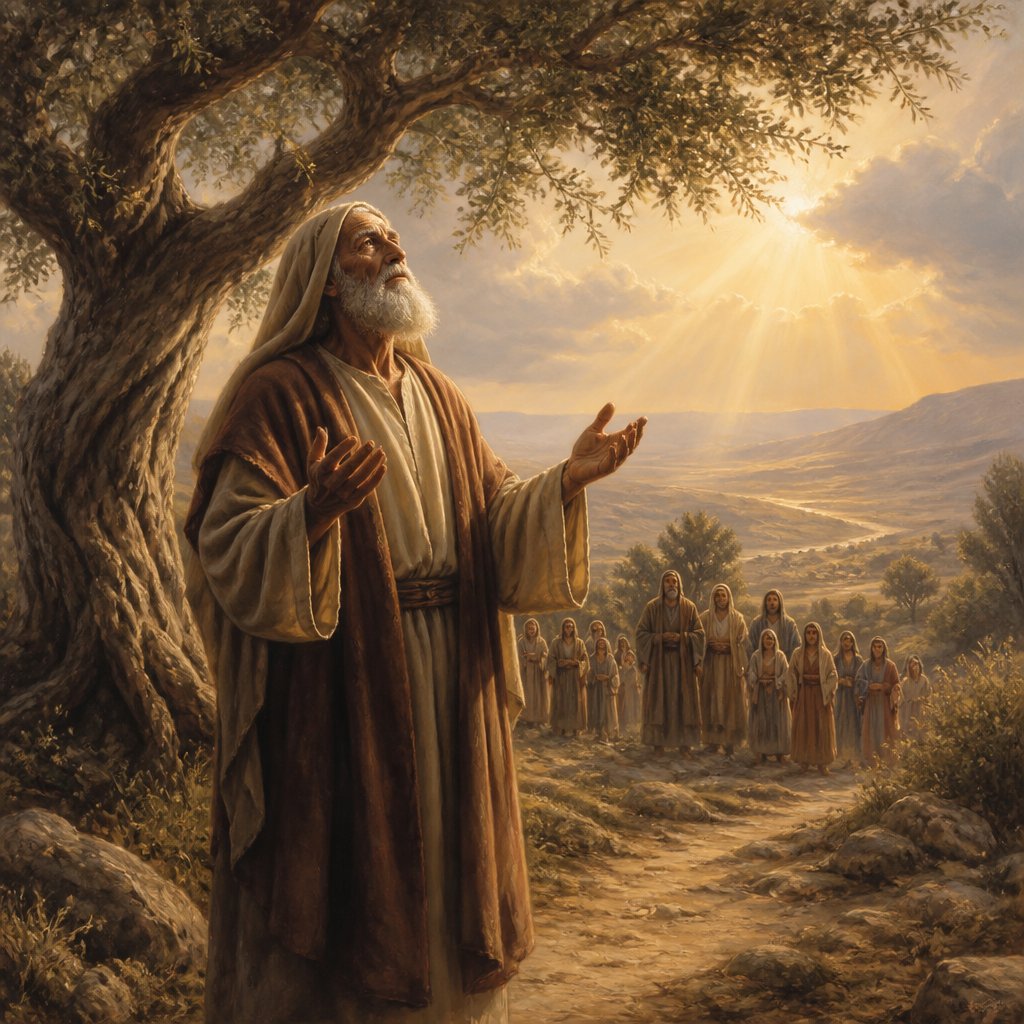
Luke 1:72-73 (KJV) reads:
72 To perform the mercy promised to our fathers, and to remember his holy covenant;
73 The oath which he sware to our father Abraham,
These verses are part of a passage known as the "Benedictus," which is a song of praise sung by Zechariah, the father of John the Baptist. Zechariah had been struck dumb by the angel Gabriel for doubting that his elderly wife Elizabeth would bear a child, and these words are part of his praise to God for the fulfillment of His promises.
The themes in these verses are centered around the faithfulness of God and the fulfillment of His promises. Throughout the history of Israel, God made a covenant with the people, promising them mercy and blessings if they followed His ways. Zechariah, a devout Jew, is acknowledging that God is now fulfilling these promises to their forefathers. This reflects the broader theme of the Bible, which is the faithfulness of God throughout history.
One of the key contexts for understanding these verses is the historical and cultural backdrop of the Jewish people. The Old Testament is filled with stories of God's faithfulness to His people, despite their unfaithfulness. The covenant God made with Abraham and his descendants, including the promise to bless all nations through them (Genesis 12:3), is a central part of Jewish identity. By referencing this covenant, Zechariah is connecting the birth of his son John to the broader narrative of God's faithfulness to the Jewish people.
In addition to the historical context, there is also a prophetic element to these verses. Throughout the Old Testament, God promised to send a Messiah who would deliver his people and establish a kingdom of righteousness. Zechariah's song acknowledges the fulfillment of these prophecies in the birth of John, who would go before the Lord to prepare the way for the Messiah (Luke 1:76).
The verses also contain significant symbolism. The "mercy promised to our fathers" represents the grace and forgiveness that God has consistently extended to His people. The "holy covenant" refers to the agreement between God and His people, which includes both blessings for obedience and consequences for disobedience. The "oath which he sware to our father Abraham" signifies the binding nature of God's promise to bless Abraham's descendants.
Overall, Luke 1:72-73 is a powerful affirmation of God's faithfulness to His people. It serves as a reminder that God keeps His promises, and that His plans and purposes are ultimately fulfilled in His perfect timing. For believers, these verses provide assurance that God is always at work, even when His ways may seem mysterious or slow to our understanding.
In conclusion, Luke 1:72-73 is a rich and profound statement about the character of God and His relationship with His people. Through the themes of faithfulness, promise, and fulfillment, these verses point to the overarching narrative of the Bible – that God is a covenant-keeping God who never fails to deliver on His word. For believers, this serves as a source of hope and encouragement, knowing that the same God who fulfilled His promises in the past is faithful to do so in the present and future.
Get our apps


Artwork for Luke 1:72-73

Luke 1:72-73 - "to show mercy to our ancestors and to remember his holy covenant, the oath he swore to our father Abraham."
"to show mercy to our ancestors and to remember his holy covenant, the oath he swore to our father Abraham." - Luke 1:72-73

Luke 1:73 - "The oath which he sware to our father Abraham,"

Luke 1:72 - "To perform the mercy promised to our fathers, and to remember his holy covenant;"

"The oath which he sware to our father Abraham," - Luke 1:73

"To perform the mercy promised to our fathers, and to remember his holy covenant;" - Luke 1:72

Psalm 73:3

Psalm 73:2

Psalm 73:2

1 Chronicles 6:73 - "And Ramoth with her suburbs, and Anem with her suburbs:"

Psalms 73:1 - "Truly God is good to Israel, even to such as are of a clean heart."

1 Chronicles 6:72 - "And out of the tribe of Issachar; Kedesh with her suburbs, Daberath with her suburbs,"

Psalms 72:1 - "Give the king thy judgments, O God, and thy righteousness unto the king's son."

"And Ramoth with her suburbs, and Anem with her suburbs:" - 1 Chronicles 6:73

"Truly God is good to Israel, even to such as are of a clean heart." - Psalms 73:1
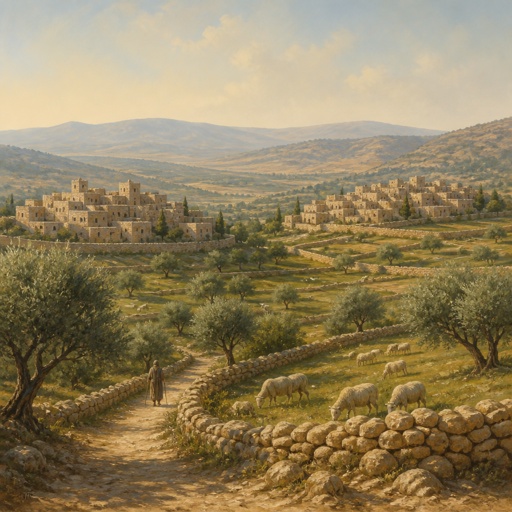
"And out of the tribe of Issachar; Kedesh with her suburbs, Daberath with her suburbs," - 1 Chronicles 6:72

Psalms 72:20 - "The prayers of David the son of Jesse are ended."

Psalm 73:25-26
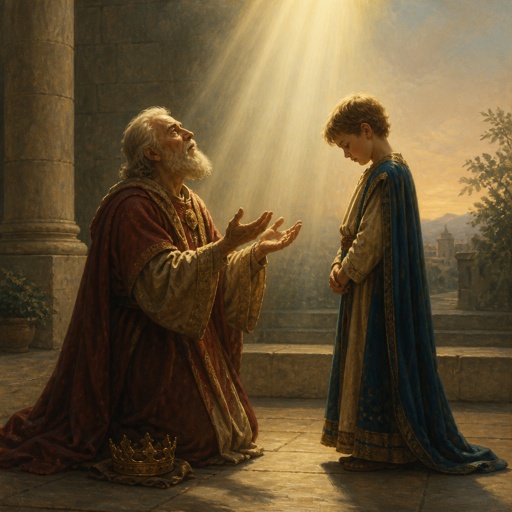
"Give the king thy judgments, O God, and thy righteousness unto the king's son." - Psalms 72:1

Psalm 73:25-26

Psalms 73:4 - "For there are no bands in their death: but their strength is firm."

Matthew 26:72 - "And again he denied with an oath, I do not know the man."

Psalms 72:3 - "The mountains shall bring peace to the people, and the little hills, by righteousness."

Psalms 72:13 - "He shall spare the poor and needy, and shall save the souls of the needy."

Psalms 73:16 - "When I thought to know this, it was too painful for me;"

Psalms 73:12 - "Behold, these are the ungodly, who prosper in the world; they increase in riches."

Psalms 73:19 - "How are they brought into desolation, as in a moment! they are utterly consumed with terrors."

Psalms 72:2 - "He shall judge thy people with righteousness, and thy poor with judgment."

Numbers 7:72 - "¶ On the eleventh day Pagiel the son of Ocran, prince of the children of Asher, offered:"

Psalms 119:72 - "The law of thy mouth is better unto me than thousands of gold and silver."