What does Luke 1:75 mean?
“In holiness and righteousness before him, all the days of our life.” — Luke 1:75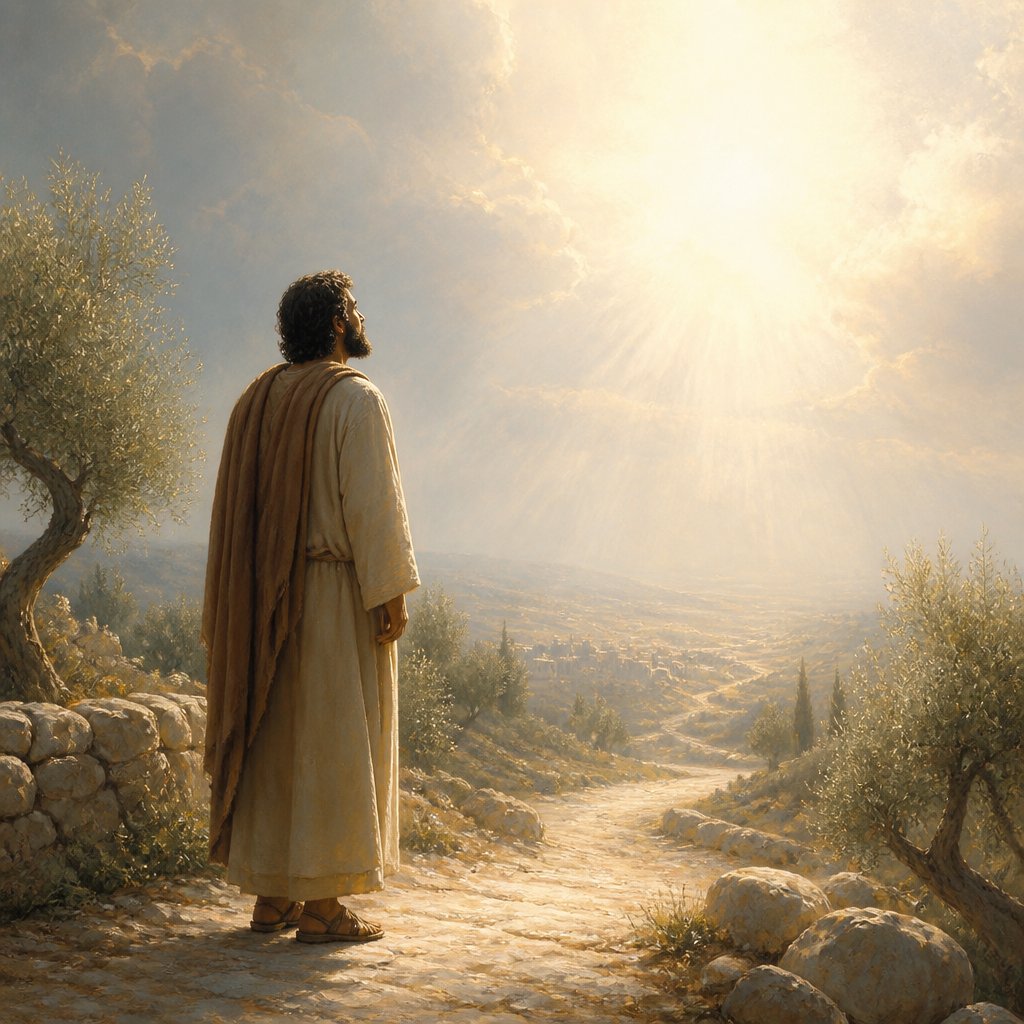
In Luke 1:75 from the King James Version of the Bible, it states, "In holiness and righteousness before him, all the days of our life." This verse is part of a larger passage (Luke 1:67-79) that is known as the "Benedictus" or the "Song of Zechariah," which was spoken by Zechariah, the father of John the Baptist, after his miraculous encounter with the angel Gabriel.
The context of this verse is important in understanding its meaning. In the preceding verses, Zechariah prophesies about the coming of the Messiah and the role of his son, John the Baptist, in preparing the way for Jesus Christ. Zechariah speaks of the fulfillment of God's promises to his people and the redemption and salvation he will bring. In verse 75, Zechariah speaks about the response that the people, particularly John the Baptist and those who follow him, should have towards God's promise of salvation.
The themes of holiness and righteousness are central to this verse. "In holiness" refers to living a life set apart for God, devoted to his will and dedicated to moral purity and sanctification. "Righteousness" refers to acting in accordance with God's standards and moral order. These two themes are interconnected throughout the Bible, as living a life of holiness is often linked to living in righteousness and obedience to God's commands. In this verse, Zechariah is emphasizing the importance of living a life that is pleasing to God, staying true to his commandments and reflecting his character in all aspects of life.
The context of this verse, within the larger passage of the "Benedictus," underscores the significance of this message. Zechariah is not only speaking about his own day but also looking forward to the coming of the Messiah and the impact that will have on the lives of believers. His words are a call to action for the people of God, urging them to be a holy and righteous people in light of the salvation that God is bringing through Jesus Christ.
The symbolism in this verse can be found in the imagery of "holiness and righteousness." These two concepts are deeply rooted in the Old Testament and are often associated with the character of God and his kingdom. Throughout the Bible, God calls his people to be set apart, living lives that reflect his holiness and righteousness. This symbolism points to the nature of the relationship between God and his people, and their commitment to following him and his ways.
Furthermore, the mention of "all the days of our life" indicates that this call to holiness and righteousness is not just a one-time decision, but a lifelong commitment. It is a reminder that living a life of holiness and righteousness requires perseverance and dedication, staying faithful to God over the course of one's life.
In conclusion, Luke 1:75 from the King James Version of the Bible carries a message of unwavering commitment to holiness and righteousness before God. Through the voice of Zechariah, this verse emphasizes the importance of living a life that reflects God's character and his will, especially in anticipation of the salvation that will come through Jesus Christ. The themes, context, and symbolism of this verse all point to the central message of the Christian faith – the call to live in holiness and righteousness as a response to God's grace and salvation.
Get our apps


Artwork for Luke 1:75

Luke 1:75 - "In holiness and righteousness before him, all the days of our life."

"In holiness and righteousness before him, all the days of our life." - Luke 1:75

1 Chronicles 6:75 - "And Hukok with her suburbs, and Rehob with her suburbs:"
"And Hukok with her suburbs, and Rehob with her suburbs:" - 1 Chronicles 6:75

Psalms 75:1 - "Unto thee, O God, do we give thanks, unto thee do we give thanks: for that thy name is near thy wondrous works declare."

"Unto thee, O God, do we give thanks, unto thee do we give thanks: for that thy name is near thy wondrous works declare." - Psalms 75:1

Luke 1:1

Luke 1:31

Luke 1:26

luke 1:26

Luke 1:13

luke 1:26

luke 1:27

luke 1:29
Luke:1

Luke 2.12

Luke 2:1-20

Luke 19:1-10

Luke 19:1-10

Luke 1:32

Luke 1:32

Luke 1:32

Luke 1:32

Luke 1:32

Luke 1:32

Luke 1:25

Luke 1:30

Luke 1:78

Luke 1:13

Luke 1:13