What does Luke 2:20 mean?
"And the shepherds returned, glorifying and praising God for all the things that they had heard and seen, as it was told unto them." - Luke 2:20
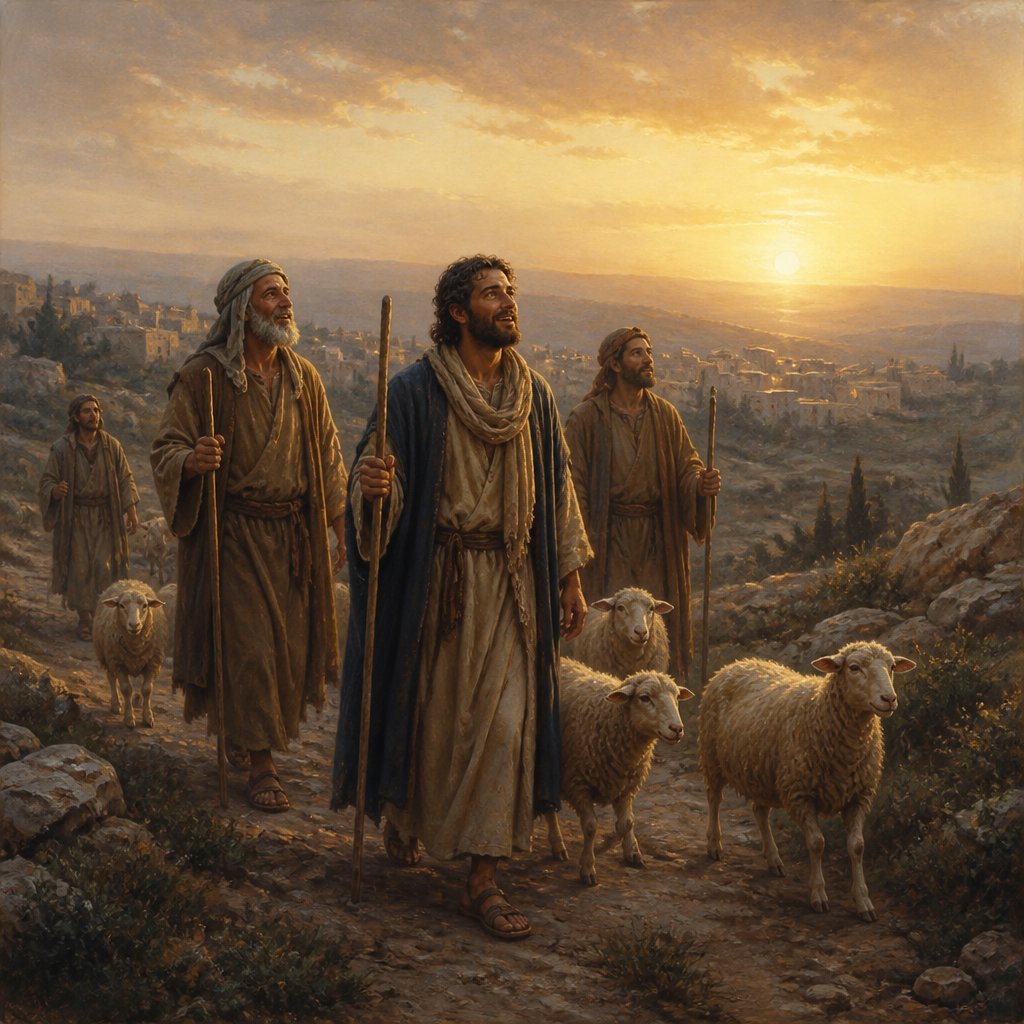
The Bible verse Luke 2:20 from the King James Version reads: "And the shepherds returned, glorifying and praising God for all the things that they had heard and seen, as it was told unto them." This verse comes at the end of the account of the birth of Jesus in the Gospel of Luke, and it captures the shepherds' response to the miraculous events they witnessed.
The context of this verse is crucial to understanding its deeper meaning. The shepherds were out in the fields at night, watching over their flocks, when an angel of the Lord appeared to them, announcing the birth of the Savior. This was a momentous occasion, as it signaled the fulfillment of the long-awaited promise of a Messiah who would bring salvation to the world. The shepherds were given a sign to identify the baby Jesus, who was lying in a manger in Bethlehem. When they found him, they were filled with awe and wonder at the sight, just as the angel had said.
The shepherds' response to this extraordinary experience is one of awe, gratitude, and praise. They returned from seeing the newborn Savior, filled with overwhelming joy and a deep sense of gratitude towards God. Their response was not just one of quiet reflection, but one of outward celebration and praise. They couldn't contain their joy and their awe at what they had witnessed, and they glorified and praised God for the things they had heard and seen.
This verse highlights several important themes that are central to the Christian faith. First and foremost, it speaks to the awe-inspiring nature of the incarnation of Jesus Christ. The shepherds were witness to an event of immense significance, something that would change the course of human history. Their response reflects the appropriate reaction to encountering the overwhelming grace and love of God manifested in the birth of Jesus. Their glorifying and praising of God serves as a model for believers, encouraging them to respond with gratitude and worship in the face of God's redemptive work.
Additionally, this verse emphasizes the theme of revelation. The shepherds were given the privilege of witnessing the fulfillment of God's promise, which had been foretold by the prophets for centuries. Their response reflects the profound impact of encountering God's truth in a personal and tangible way. This theme underscores the importance of being open to receiving and responding to God's revelation in our own lives.
Furthermore, the shepherds' response serves as a testament to the power of personal testimony. Having witnessed the birth of Jesus and experienced the presence of the divine, their response became a powerful proclamation of God's glory and goodness. Their praise and glorification of God became an expression of their faith and an invitation for others to join in their celebration.
Symbolically, the shepherds represent the marginalized and the overlooked in society. Their occupation was considered lowly and insignificant, yet God chose them to be the first to receive the news of the Savior's birth. This symbolizes God's inclusive love and His desire to reach all people, regardless of status or social standing. The shepherds' response thus becomes a powerful symbol of the universality of the Gospel and the invitation for all to respond in worship and adoration.
In conclusion, Luke 2:20 captures the profound and transformative impact of encountering the birth of Jesus Christ. The shepherds' response of glorifying and praising God serves as a model for believers, encouraging them to respond with awe, gratitude, and worship in the face of God's redemptive work. This verse also emphasizes the themes of revelation, personal testimony, and the inclusivity of God's love. Ultimately, it reminds us of the overwhelming joy and gratitude that should accompany the recognition of God's presence and work in our lives.
Have questions about Luke 2:20?
Dive deeper into this scripture with Bible Chat — an AI-powered tool for exploring God's Word through conversation. Ask questions, get context, and grow in your understanding of the Bible.
Get Our Apps


Luke 2:20 Artwork

Luke 2:20 - "And the shepherds returned, glorifying and praising God for all the things that they had heard and seen, as it was told unto them."
"And the shepherds returned, glorifying and praising God for all the things that they had heard and seen, as it was told unto them." - Luke 2:20

Luke 2:1-20

Luke 20:2 - "And spake unto him, saying, Tell us, by what authority doest thou these things? or who is he that gave thee this authority?"

Luke 13:20-21

Luke 13:20-21

Luke 13:20-21

Luke 13:20-21
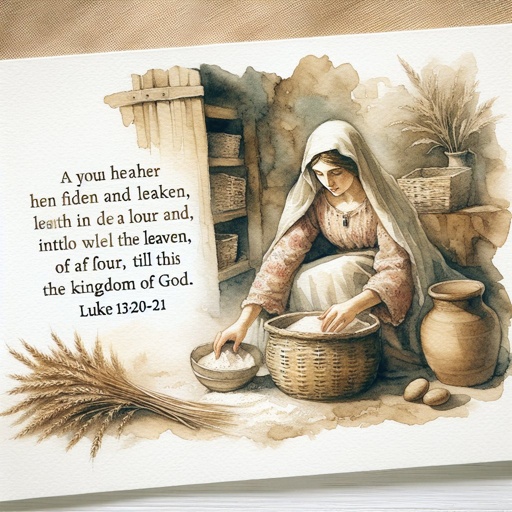
Luke 13:20-21

Luke 20:28

Luke 20:7 - "And they answered, that they could not tell whence it was."
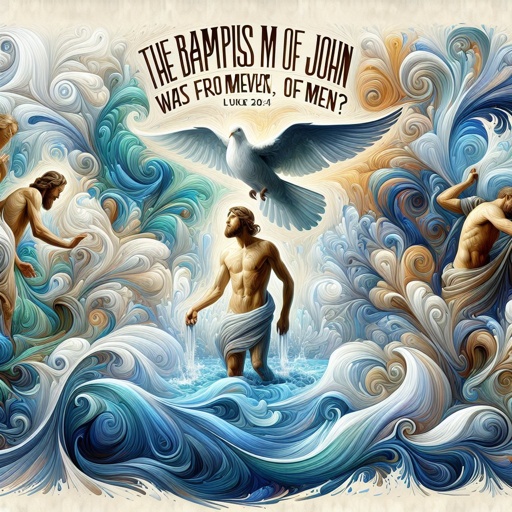
Luke 20:4 - "The baptism of John, was it from heaven, or of men?"

Luke 20:32 - "Last of all the woman died also."

Luke 20:22 - "Is it lawful for us to give tribute unto Caesar, or no?"

Luke 20:30 - "And the second took her to wife, and he died childless."

Luke 20:40 - "And after that they durst not ask him any question at all."

Luke 20:43 - "Till I make thine enemies thy footstool."

Luke 20:45 - "¶ Then in the audience of all the people he said unto his disciples,"

Luke 20:38 - "For he is not a God of the dead, but of the living: for all live unto him."

Luke 23:20 - "Pilate therefore, willing to release Jesus, spake again to them."

Luke 20:44 - "David therefore calleth him Lord, how is he then his son?"

Luke 20:41 - "And he said unto them, How say they that Christ is David's son?"

Luke 20:39 - "¶ Then certain of the scribes answering said, Master, thou hast well said."

Luke 13:20 - "And again he said, Whereunto shall I liken the kingdom of God?"

Luke 3:20 - "Added yet this above all, that he shut up John in prison."

"And they answered, that they could not tell whence it was." - Luke 20:7

Luke 20:27-38. All people of color.

Luke 20:31 - "And the third took her; and in like manner the seven also: and they left no children, and died."

Luke 20:34 - "And Jesus answering said unto them, The children of this world marry, and are given in marriage:"

Luke 20:23 - "But he perceived their craftiness, and said unto them, Why tempt ye me?"