What does Luke 2:49 mean?
"And he said unto them, How is it that ye sought me? wist ye not that I must be about my Father's business?" - Luke 2:49
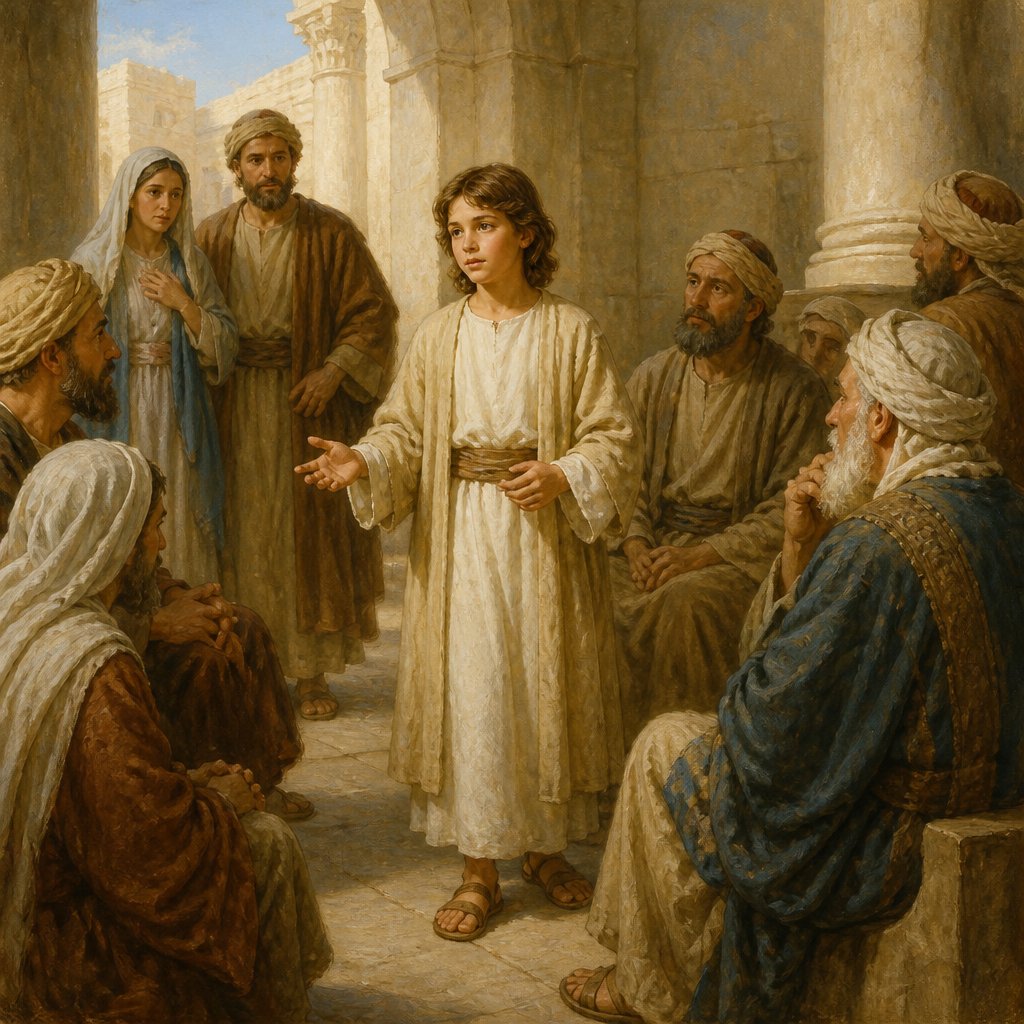
Luke 2:49 in the King James Version of the Bible reads: "And he said unto them, How is it that ye sought me? wist ye not that I must be about my Father's business?"
This verse is part of a larger passage in the book of Luke that recounts Jesus' early life. The verse occurs when Jesus is only twelve years old and has gone with his parents to Jerusalem for the Feast of the Passover. After the feast, his parents set out for home, assuming that Jesus is with their group. However, after a day of travel, they realize that he is not with them and return to Jerusalem to search for him. They find him in the temple, talking with the teachers and elders, and his response to their concern is the verse in question.
The context of this verse is important for understanding its significance. Jesus' response comes after his parents find him in the temple, and they express their worry and concern about his disappearance. Rather than showing remorse or fear for causing his parents distress, Jesus's response is one of questioning: "How is it that ye sought me?" This question not only seems to express surprise at their concern but also speaks to a deeper understanding of his purpose and identity. In the KJV, Jesus uses the word "wist," which means "knew" or "understood," so the verse might be interpreted as "Did you not know that I must be about my Father's business?" This response demonstrates Jesus' awareness of his divine mission and his commitment to fulfilling it.
The theme of Jesus' divine mission and identity is at the heart of this verse. In his response to his parents, Jesus reveals a profound understanding of his relationship to God the Father and his purpose in the world. This early declaration of his mission sets the stage for his later ministry and teachings, as well as his ultimate sacrifice on the cross.
Another important theme in this verse is the concept of obedience and submission to God's will. Jesus' statement about being about his Father's business conveys a sense of purpose and dedication to fulfilling God's plan. Even as a young boy, Jesus demonstrates a clear understanding of the importance of aligning his actions with the will of his Heavenly Father. This theme of obedience to God's will is echoed throughout the Gospels and is central to Jesus' teachings on faith and discipleship.
The symbolism in this verse is also significant. The temple, where Jesus is found engaging in discussion with the teachers and elders, serves as a powerful symbol of his divine authority and wisdom. As a young boy, Jesus demonstrates a depth of knowledge and understanding that surpasses his years, and this event foreshadows his later role as a teacher and spiritual leader.
In addition, the phrase "my Father's business" carries symbolism related to Jesus' identity as the Son of God. It emphasizes the unique and intimate relationship between Jesus and God the Father, pointing to his divine nature and mission on earth.
In conclusion, Luke 2:49 in the KJV provides valuable insight into Jesus' early awareness of his divine mission and his commitment to fulfilling God's will. It sets the stage for the themes of obedience, divine identity, and spiritual wisdom that are central to Jesus' ministry and teachings. The verse serves as a foundational statement of Jesus' purpose and authority, and it holds deep significance for believers seeking to understand and follow his example.
Have questions about Luke 2:49?
Dive deeper into this scripture with Bible Chat — an AI-powered tool for exploring God's Word through conversation. Ask questions, get context, and grow in your understanding of the Bible.
Get Our Apps


Luke 2:49 Artwork

Luke 2:49 - "And he said unto them, How is it that ye sought me? wist ye not that I must be about my Father's business?"
"And he said unto them, How is it that ye sought me? wist ye not that I must be about my Father's business?" - Luke 2:49

Luke 12: 49

Luke 12:49 - "¶ I am come to send fire on the earth; and what will I, if it be already kindled?"

Luke 1:49 - "For he that is mighty hath done to me great things; and holy is his name."

Luke 7:49 - "And they that sat at meat with him began to say within themselves, Who is this that forgiveth sins also?"

Luke 23:49 - "And all his acquaintance, and the women that followed him from Galilee, stood afar off, beholding these things."

Luk 2:46-49

Luke 11:49 - "Therefore also said the wisdom of God, I will send them prophets and apostles, and some of them they shall slay and persecute:"

Luke 22:49 - "When they which were about him saw what would follow, they said unto him, Lord, shall we smite with the sword?"

Luke 8:49 - "¶ While he yet spake, there cometh one from the ruler of the synagogue's house, saying to him, Thy daughter is dead; trouble not the Master."

Luk 2:48-49 (KJVA) 48 And when they saw him, they were amazed: and his mother said unto him, Son, why hast thou thus dealt with us? behold, thy father and I have sought thee sorrowing. 49 And he said unto them, How is it that ye sought me? wist ye not that I must be about my Father's business?

Luk 2:46-49 (KJVA) 46 And it came to pass, that after three days they found him in the temple, sitting in the midst of the doctors, both hearing them, and asking them questions. 47 And all that heard him were astonished at his understanding and answers. 48 And when they saw him, they were amazed: and his mother said unto him, Son, why hast thou thus dealt with us? behold, thy father and I have sought thee sorrowing. 49 And he said unto them, How is it that ye sought me? wist ye not that I must be about my Father's business?

Luk 2:48-49 (KJVA) 48 And when they saw him, they were amazed: and his mother said unto him, Son, why hast thou thus dealt with us? behold, thy father and I have sought thee sorrowing. 49 And he said unto them, How is it that ye sought me? wist ye not that I must be about my Father's business?

Luke 24:49 - "¶ And, behold, I send the promise of my Father upon you: but tarry ye in the city of Jerusalem, until ye be endued with power from on high."

Luke 9:49 - "¶ And John answered and said, Master, we saw one casting out devils in thy name; and we forbad him, because he followeth not with us."

Ezra 2:49 - "The children of Uzza, the children of Paseah, the children of Besai,"

Psalms 49:2 - "Both low and high, rich and poor, together."

Luk 2:48-49 (KJVA) 48 And when they saw him, they were amazed: and his mother said unto him, Son, why hast thou thus dealt with us? behold, thy father and I have sought thee sorrowing. 49 And he said unto them, How is it that ye sought me? wist ye not that I must be about my Father's business?

Luke 6:49 - "But he that heareth, and doeth not, is like a man that without a foundation built an house upon the earth; against which the stream did beat vehemently, and immediately it fell; and the ruin of that house was great."

"For he that is mighty hath done to me great things; and holy is his name." - Luke 1:49

"¶ I am come to send fire on the earth; and what will I, if it be already kindled?" - Luke 12:49

"And they that sat at meat with him began to say within themselves, Who is this that forgiveth sins also?" - Luke 7:49

Genesis 49:2 - "Gather yourselves together, and hear, ye sons of Jacob; and hearken unto Israel your father."
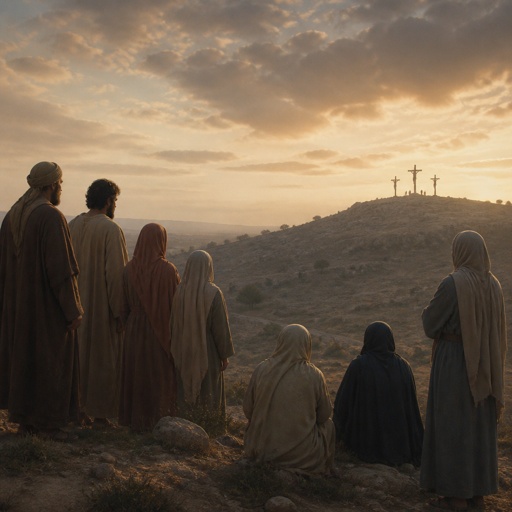
"And all his acquaintance, and the women that followed him from Galilee, stood afar off, beholding these things." - Luke 23:49

Luk 2:46-49 (KJVA) 46 And it came to pass, that after three days they found him in the temple, sitting in the midst of the doctors, both hearing them, and asking them questions. 47 And all that heard him were astonished at his understanding and answers. 48 And when they saw him, they were amazed: and his mother said unto him, Son, why hast thou thus dealt with us? behold, thy father and I have sought thee sorrowing. 49 And he said unto them, How is it that ye sought me? wist ye not that I must be about my Father's business?

"Both low and high, rich and poor, together." - Psalms 49:2
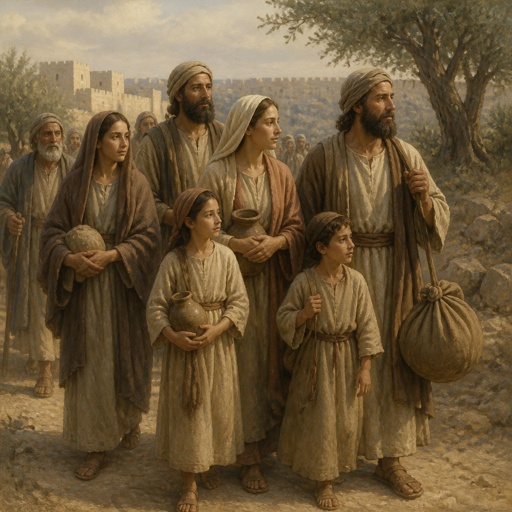
"The children of Uzza, the children of Paseah, the children of Besai," - Ezra 2:49

Luke 23:48-49 - "And all the crowds that had assembled for this spectacle, when they saw what had taken place, returned home beating their breasts. And all His acquaintances and the women who had followed Him from Galilee stood at a distance watching these things."
1 Chronicles 2:49 - "She bare also Shaaph the father of Madmannah, Sheva the father of Machbenah, and the father of Gibea: and the daughter of Caleb was Achsa."