What does Luke 20:13 mean?
“Then said the lord of the vineyard, What shall I do? I will send my beloved son: it may be they will reverence him when they see him.” — Luke 20:13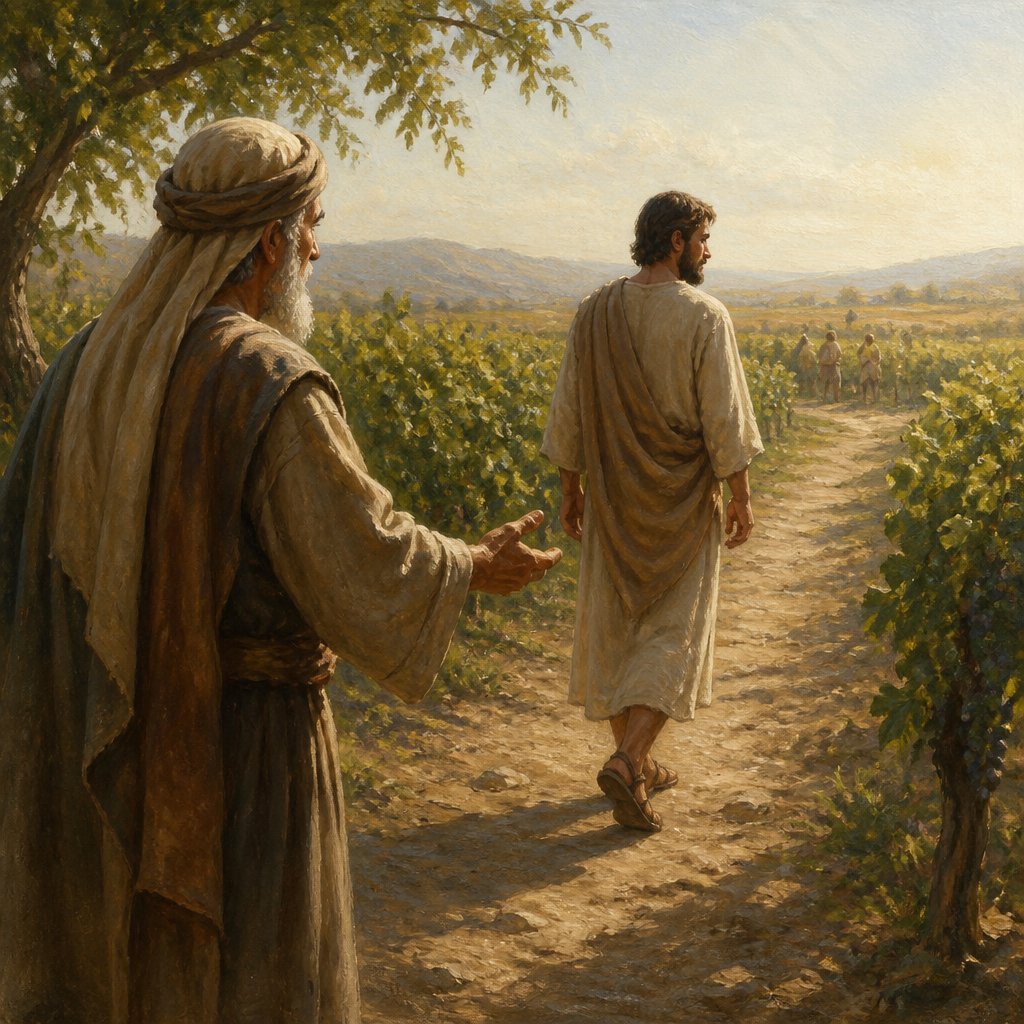
The Bible verse Luke 20:13 in the King James Version (KJV) reads: "Then said the lord of the vineyard, What shall I do? I will send my beloved son: it may be they will reverence him when they see him."
This verse is part of a parable that Jesus tells in the Gospel of Luke. The parable is commonly known as the Parable of the Wicked Tenants and is found in Luke 20:9-18. In this parable, Jesus uses a story about a vineyard to illustrate a moral lesson, and each character and element in the story holds symbolic meaning.
The lord of the vineyard represents God, the owner and ruler of all creation. The vineyard itself symbolizes Israel, the people of God. The vineyard was carefully cultivated, with everything necessary for its success provided by the owner. This can be likened to God's providential care for His chosen people. The tenants who were leased the vineyard represent the religious leaders of Israel, who were entrusted with the care and guidance of God's people.
The servants sent by the owner to collect the fruit represent the prophets that God had sent to Israel in the past. The fact that the tenants mistreat and kill the servants symbolizes the rejection and persecution of the prophets sent by God to call the people back to righteousness.
The key character in this parable is the beloved son of the vineyard owner, who represents Jesus Christ, the Son of God. The vineyard owner sending his beloved son symbolizes God sending Jesus into the world to bring salvation and reconciliation to humanity. However, the tenants' reaction to the son is one of greed, selfishness, and ultimately, murder. This foreshadows the rejection and crucifixion of Jesus by the religious leaders of his time.
The symbolism in this parable highlights the rejection of God's offer of salvation and grace by the religious leaders of Israel. It illustrates the historical pattern of God's messengers being rejected and mistreated by those who were entrusted with spiritual leadership. The parable also serves as a warning to the religious leaders and the people of Israel, as well as a prediction of Jesus' own fate at their hands.
The phrase "it may be they will reverence him when they see him" reflects the hope of the vineyard owner that the tenants might show respect and honor to his beloved son. However, this hope is ultimately in vain, as the tenants' actions reveal their true intentions. This demonstrates God's continual grace and patience toward humanity, despite our repeated rejection and rebellion.
The themes present in this parable include the rejection of God's messengers, the consequences of unfaithfulness and disobedience, and the impending judgment that will be brought upon the wicked tenants. The parable serves as a warning to the religious leaders of Jesus' time, as well as a prophetic declaration of the judgment that will come upon those who reject God's offer of salvation.
In conclusion, Luke 20:13 in the King James Version is an important verse within the Parable of the Wicked Tenants, which holds deep symbolic meaning and powerful themes. It serves as a reminder of the rejection of God's messengers and the consequences of unfaithfulness, as well as a foreshadowing of Jesus' own rejection and crucifixion. This parable continues to carry relevance for believers today, serving as a warning and a call to repentance and faithfulness.
Get our apps


Artwork for Luke 20:13
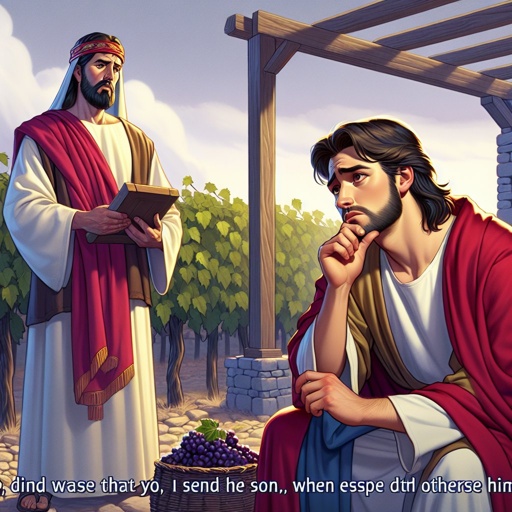
Luke 20:13 - "Then said the lord of the vineyard, What shall I do? I will send my beloved son: it may be they will reverence him when they see him."
"Then said the lord of the vineyard, What shall I do? I will send my beloved son: it may be they will reverence him when they see him." - Luke 20:13

Luke 13:20-21

Luke 13:20-21

Luke 13:20-21

Luke 13:20-21
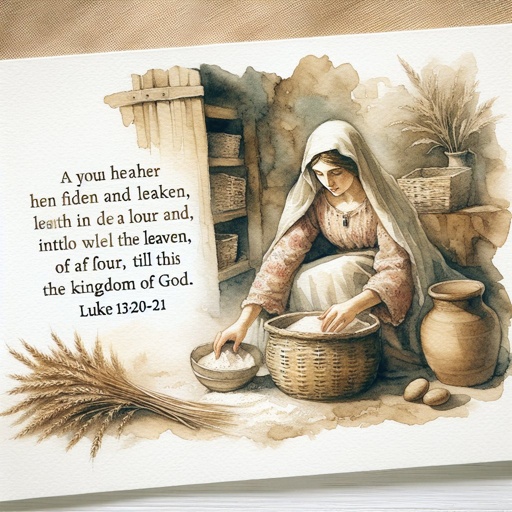
Luke 13:20-21

Luke 13:20 - "And again he said, Whereunto shall I liken the kingdom of God?"
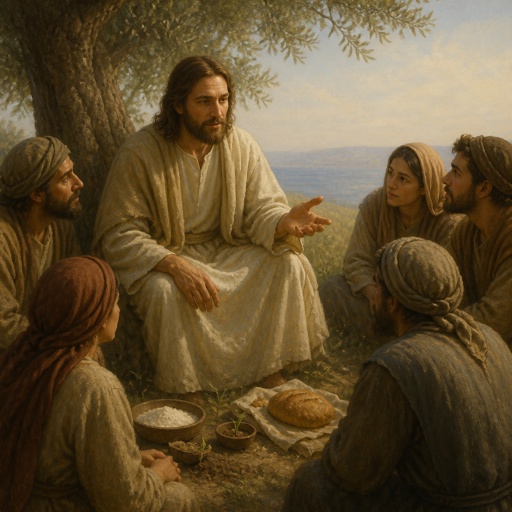
"And again he said, Whereunto shall I liken the kingdom of God?" - Luke 13:20

Luke 20:28

Luke 13:18-19

Luke 13:18-19

Luke 2:1-20

Luke 20:7 - "And they answered, that they could not tell whence it was."

Luke 1:13

Luke 1:13

Luke 8:13

Luke 13:24

Luke 8:13

Luke 1:13

Luke 1:13

Luke 8:13

Luke 1:13

Luke 2:13

Luke 1:13

Luke 20:32 - "Last of all the woman died also."

Luke 20:4 - "The baptism of John, was it from heaven, or of men?"

hebrew 13:20

Genesis 20-13

Luke 13:13 - "And he laid his hands on her: and immediately she was made straight, and glorified God."