What does Luke 20:14 mean?
“But when the husbandmen saw him, they reasoned among themselves, saying, This is the heir: come, let us kill him, that the inheritance may be ours.” — Luke 20:14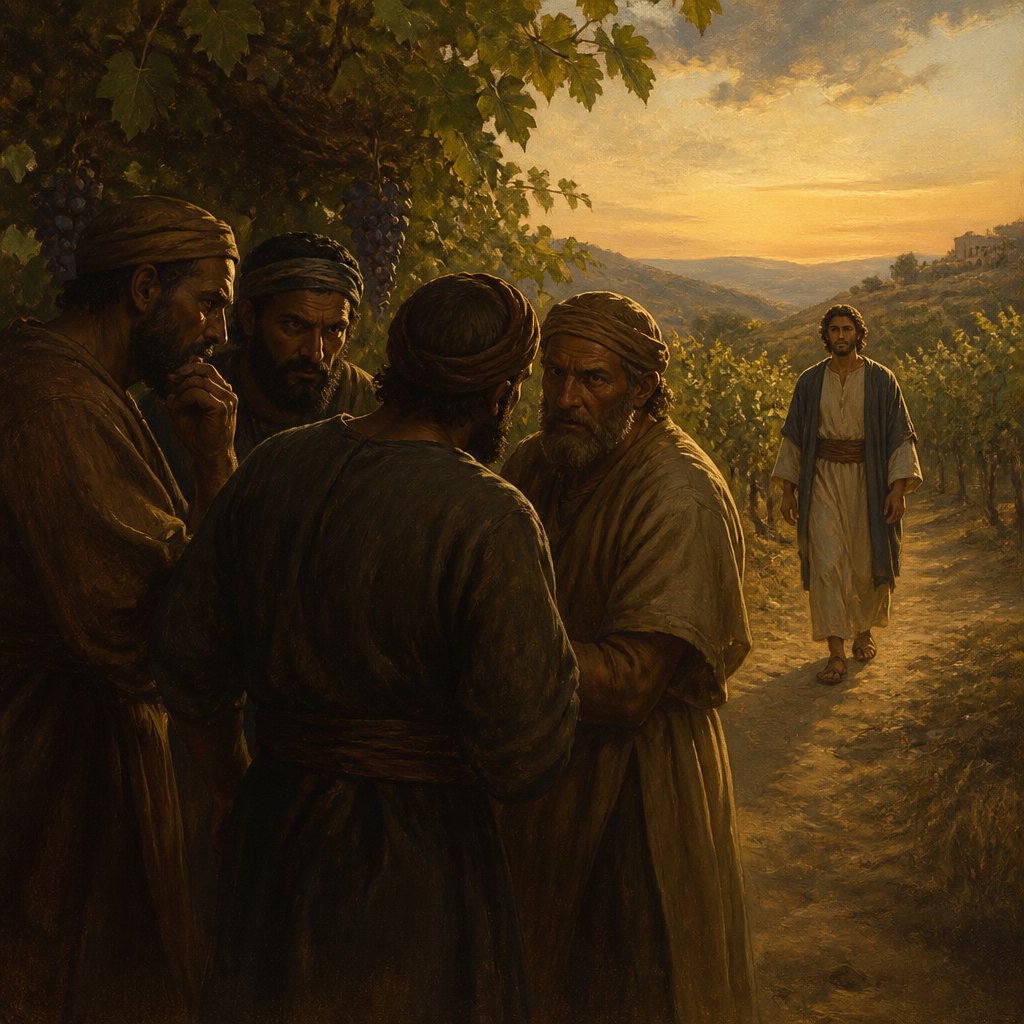
In Luke 20:14, the King James Version (KJV) of the Bible reads, "But when the husbandmen saw him, they reasoned among themselves, saying, This is the heir: come, let us kill him, that the inheritance may be ours."
This verse is a part of the parable of the wicked tenants, which Jesus tells in the presence of the chief priests, scribes, and elders. In this parable, a landowner plants a vineyard and leases it to tenants. When the time comes to collect the fruit, the landowner sends a servant to receive his share, but the tenants mistreat and send him away empty-handed. The landowner sends another servant, and the tenants beat and mistreat him, sending him away empty-handed as well. This pattern continues with the landowner sending more servants, all of whom are mistreated and sent away. Finally, the landowner sends his son, thinking that the tenants will respect him. However, when the tenants see the son, they plot to kill him in order to take his inheritance.
The parable of the wicked tenants serves as a prophetic warning to the religious leaders of Israel at the time, who are represented by the wicked tenants. The landowner represents God, and the vineyard represents His people, Israel. The servants sent by the landowner represent the prophets that God sent to His people, who were mistreated and rejected. Finally, the arrival of the landowner's son parallels the coming of Jesus, who is ultimately rejected and killed by the religious leaders. The verse in question, Luke 20:14, captures the conspiratorial spirit of the wicked tenants as they plot to kill the heir in order to claim the inheritance for themselves.
The theme of the parable revolves around the rejection of God's messengers and ultimately His son, Jesus, by the religious leaders of Israel. It highlights the arrogance and wickedness of those who seek to claim God's inheritance for themselves without being faithful stewards of what has been entrusted to them. The parable also serves as a warning of the judgment that will come upon those who reject and mistreat God's messengers and His son.
The context of this verse is important for understanding its significance. Jesus tells this parable in the temple, during the final days of His ministry, as He confronts the religious leaders who have continually opposed and rejected Him. The parable serves as a direct indictment of their actions and a warning of the consequences they will face for their rejection of the Messiah.
Symbolically, the vineyard represents the people of Israel, who were chosen and entrusted with God's message and blessings. The servants sent by the landowner represent the prophets who were sent to convey God's word to His people. The son of the landowner represents Jesus, who was sent by God as the ultimate expression of His love and grace. The wicked tenants symbolize those who reject and oppose God's messengers, seeking to establish their own authority and control over God's inheritance.
In conclusion, Luke 20:14 holds deep significance within the context of the parable of the wicked tenants. It serves as a warning to those who reject and mistreat God's messengers and His son, highlighting the consequences of their actions and the ultimate judgment they will face. The verse underscores the themes of rejection, arrogance, and the consequences of seeking to claim God's inheritance for oneself without being faithful stewards. It is a powerful reminder of the importance of recognizing and honoring God's messengers and ultimately His son, Jesus.
Get our apps


Artwork for Luke 20:14
"But when the husbandmen saw him, they reasoned among themselves, saying, This is the heir: come, let us kill him, that the inheritance may be our's." - Luke 20:14

Luke 14:20 - "And another said, I have married a wife, and therefore I cannot come."
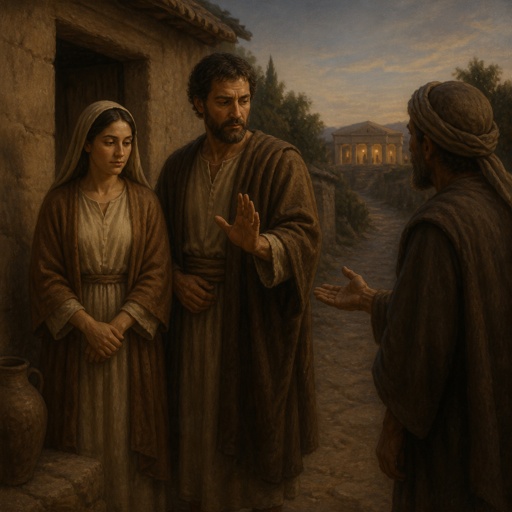
"And another said, I have married a wife, and therefore I cannot come." - Luke 14:20

Luke 13:20-21

Luke 13:20-21

Luke 13:20-21

Luke 13:20-21
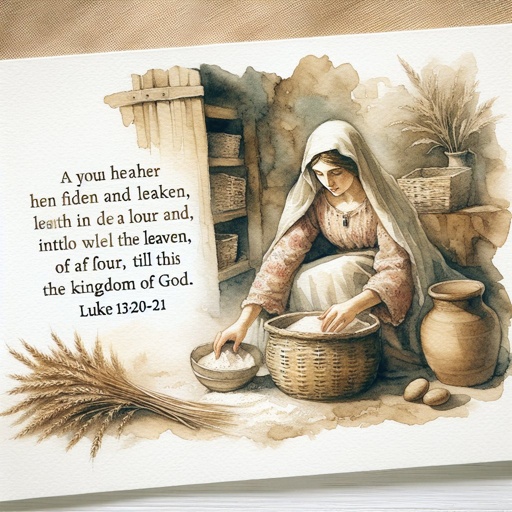
Luke 13:20-21

Luke 20:28

Luke 2:1-20

Luke 20:7 - "And they answered, that they could not tell whence it was."
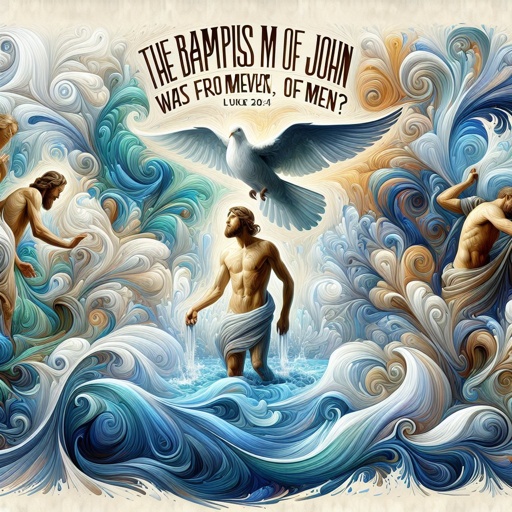
Luke 20:4 - "The baptism of John, was it from heaven, or of men?"

Luke 20:32 - "Last of all the woman died also."

John 20:14

Exodus 20:14

Luke 14:14 - "And thou shalt be blessed; for they cannot recompense thee: for thou shalt be recompensed at the resurrection of the just."

Genesis 20-14

Luke 11:14-15

Luke 18:9-14

Luke 11:1-14

Luke 14:25 - 33

Luke 11:1-14

Luke 2:13-14

Luke 18: 9-14

Luke 2:13-14

Luke 20:22 - "Is it lawful for us to give tribute unto Caesar, or no?"
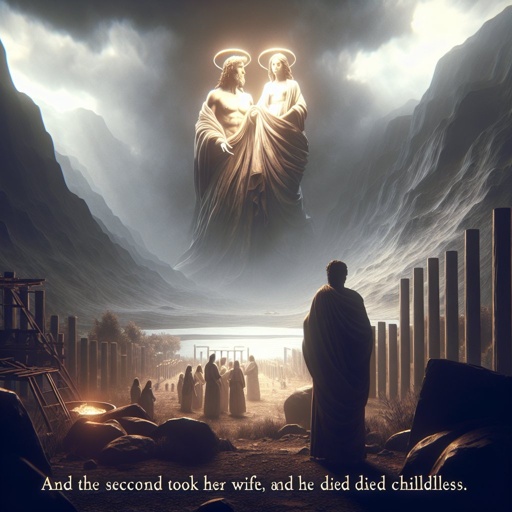
Luke 20:30 - "And the second took her to wife, and he died childless."

Luke 20:40 - "And after that they durst not ask him any question at all."

Luke 20:43 - "Till I make thine enemies thy footstool."

Luke 14:6 - "And they could not answer him again to these things."