What does Luke 20:16 mean?
“He shall come and destroy these husbandmen, and shall give the vineyard to others. And when they heard it, they said, God forbid.” — Luke 20:16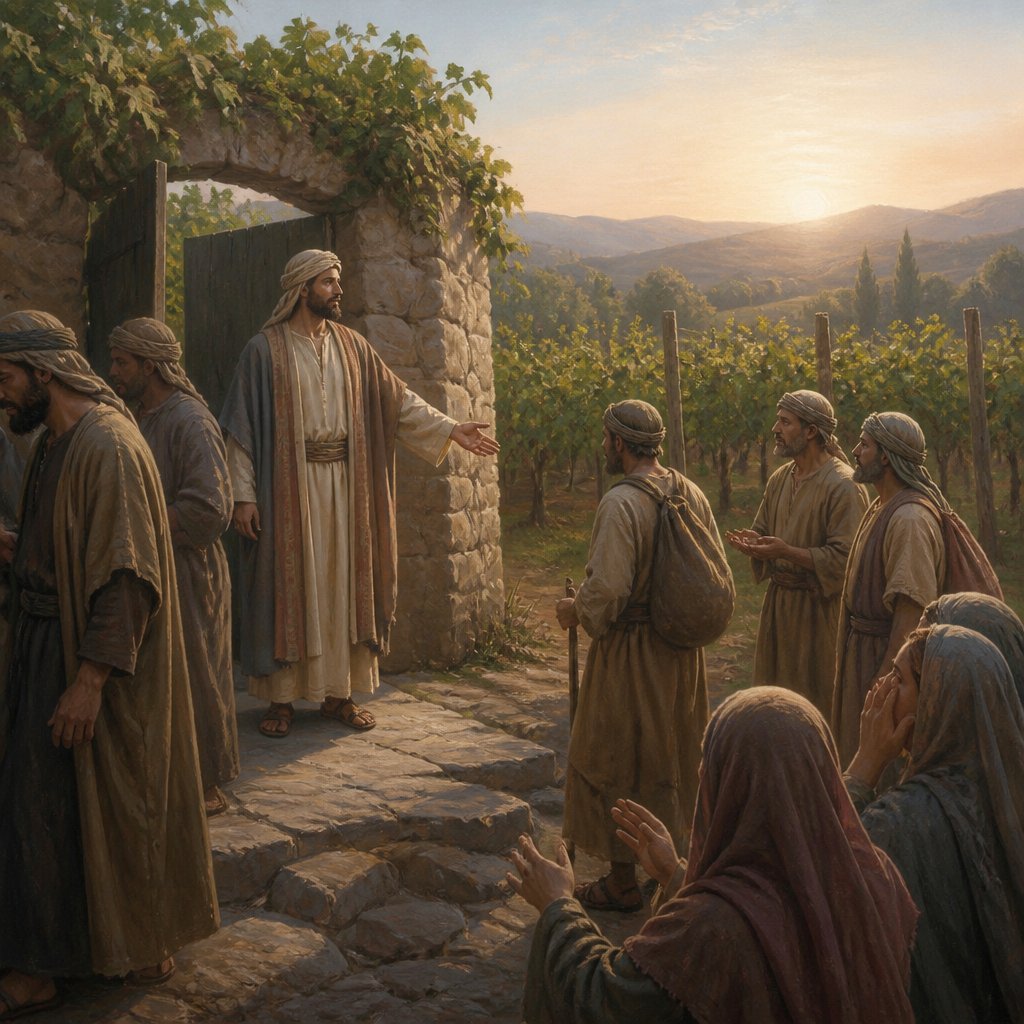
Luke 20:16 in the King James Version of the Bible reads: "He shall come and destroy these husbandmen, and shall give the vineyard to others. And when they heard it, they said, God forbid."
This verse is part of a parable told by Jesus to the chief priests and scribes in the temple. In this parable, a man planted a vineyard and leased it to tenants, then he went away for a long time. When the harvest time came, he sent a servant to collect his share of the produce, but the tenants beat the servant and sent him away empty-handed. The man then sent another servant, and the tenants treated him the same way. This pattern repeated with several other servants, and finally, the man sent his son, thinking the tenants would respect him. However, the tenants killed the son, thinking that by doing so, they would inherit the vineyard.
The meaning of this parable can be explained in several layers. On one level, the man who planted the vineyard represents God, the vineyard represents Israel, the tenants represent the religious leaders of Israel, and the servants and son represent the prophets and, ultimately, Jesus himself. The parable foretells the rejection of Jesus by the religious leaders of Israel and the consequences of that rejection.
The phrase "He shall come and destroy these husbandmen, and shall give the vineyard to others" is a prophecy of the judgment that would come upon the religious leaders and the transfer of God's kingdom to the Gentiles. This verse reflects the rejection of Jesus by the religious leaders of Israel and the consequences that would follow. It also speaks to the idea that God's kingdom is not limited to one group of people, but rather is open to anyone who accepts Jesus as their Savior.
The response of the chief priests and scribes when they heard this parable is noteworthy. They said, "God forbid." This reflects their rejection of Jesus as the Messiah and their refusal to accept the implications of the parable. They were offended by the idea that they would be replaced and that the kingdom of God would be given to others. This verse serves as a reminder of the danger of pride and self-righteousness, as well as the consequences of rejecting Jesus and his message.
The themes present in this verse include judgment, rejection, and the inclusiveness of God's kingdom. It also speaks to the idea of accountability and the consequences of refusing to acknowledge Jesus as the Son of God. The context of this verse is important to understand the full implications of the parable and the response of the religious leaders. Jesus was speaking in the temple, addressing the religious leaders who had rejected him and were seeking to discredit him.
Symbolically, the vineyard represents the people of Israel, and the tenants represent the religious leaders who were entrusted with caring for God's people but ultimately rejected the messengers that God sent to them. The son represents Jesus himself, who was ultimately rejected and killed by those same religious leaders. The transfer of the vineyard to others represents the inclusion of the Gentiles in God's kingdom and the rejection of those who refuse to accept Jesus as the cornerstone of that kingdom.
In conclusion, Luke 20:16 is a powerful and prophetic verse that speaks to the rejection of Jesus by the religious leaders of Israel and the consequences of that rejection. It also serves as a reminder of the inclusiveness of God's kingdom and the accountability that comes with rejecting Jesus and his message. This verse is a profound and challenging reminder of the importance of accepting Jesus as the Son of God and the implications of refusing to do so.
Get our apps


Artwork for Luke 20:16

Luke 20:16 - "He shall come and destroy these husbandmen, and shall give the vineyard to others. And when they heard it, they said, God forbid."
"He shall come and destroy these husbandmen, and shall give the vineyard to others. And when they heard it, they said, God forbid." - Luke 20:16

Luke 16:20 - "And there was a certain beggar named Lazarus, which was laid at his gate, full of sores,"
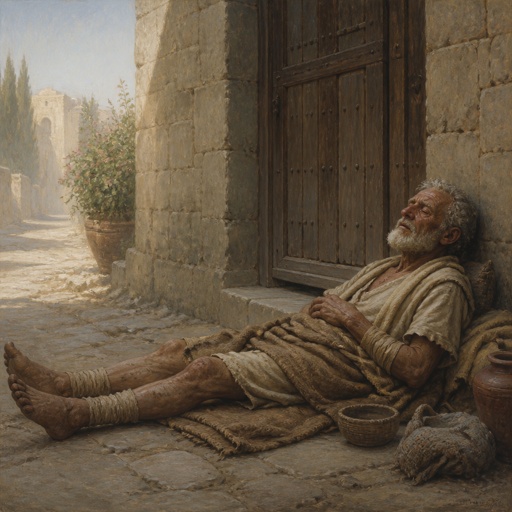
"And there was a certain beggar named Lazarus, which was laid at his gate, full of sores," - Luke 16:20

Luke 13:20-21

Luke 13:20-21

Luke 13:20-21

Luke 13:20-21
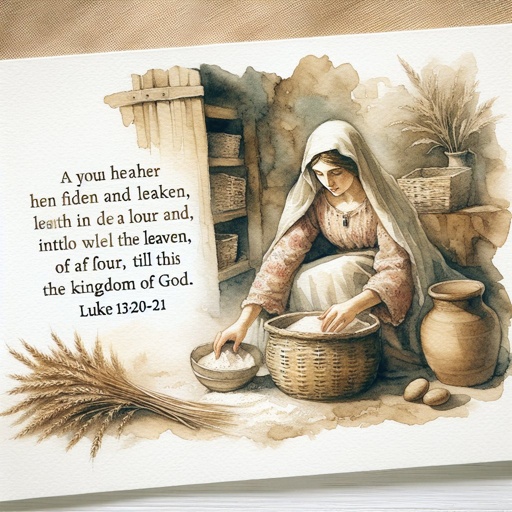
Luke 13:20-21

Luke 20:28

Luke 2:1-20

Luke 8:16

luke 4:16

Luke 20:7 - "And they answered, that they could not tell whence it was."

Mark 16:20
Mark 16:20

Deuteronomy 20:16

Luke 16:1-13
Mark 16:20

Genesis 20-16

Mark 16:20

Deuteronomy 20:16

Mark 16:20

Deuteronomy 20:16

Luke 20:32 - "Last of all the woman died also."

Luke 20:4 - "The baptism of John, was it from heaven, or of men?"

Luke 16:1-1313

Luke 16:22-26

Luke 16:1-13

Luke 16:1-13