What does Luke 20:17 mean?
"And he beheld them, and said, What is this then that is written, The stone which the builders rejected, the same is become the head of the corner?" - Luke 20:17
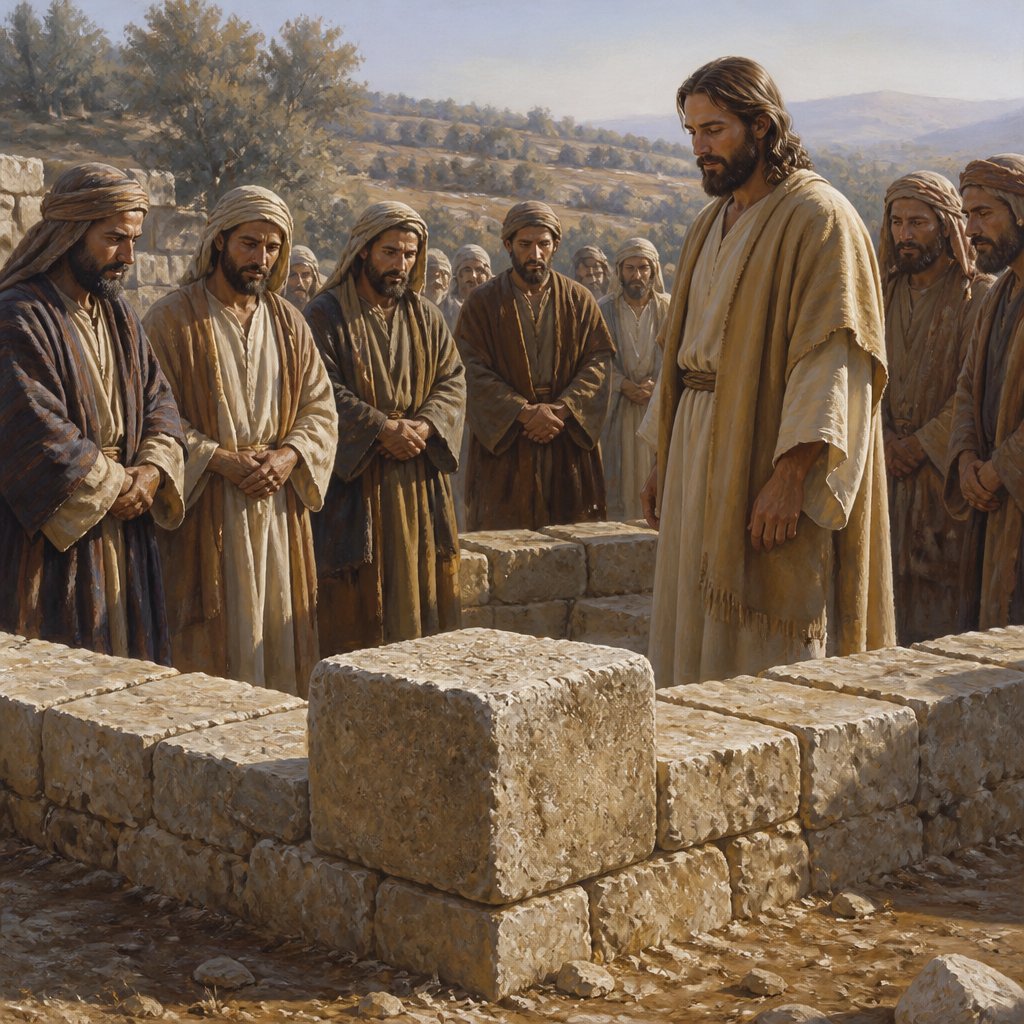
In Luke 20:17 (KJV), Jesus says, "And he beheld them, and said, What is this then that is written, The stone which the builders rejected, the same is become the head of the corner?"
This statement made by Jesus is powerful and full of depth. It is a reference to Psalm 118:22, which says, "The stone which the builders refused is become the head stone of the corner." Jesus is speaking to the religious leaders of the time, and he is using this verse to convey a message regarding his own rejection and eventual exaltation.
The context of this verse is important to understand its significance. In the preceding verses, Jesus has been debating with the scribes and elders in the temple, who challenge his authority and question his teachings. They are trying to trap him with their questions, but he responds with wisdom and deep insight. In this particular verse, Jesus is responding to their rejection of him as the Messiah.
The theme of rejection and exaltation is central to the message of this verse. Jesus is likening himself to the stone that was rejected by the builders but has now become the cornerstone. This imagery is profound and carries great symbolism. In ancient building practices, the cornerstone was the most important stone in the structure, as it determined the alignment and stability of the entire building. By referencing this, Jesus is asserting his own significance and authority as the cornerstone of the kingdom of God.
The rejection of Jesus by the religious leaders and the eventual exaltation of him through his death, resurrection, and ascension are key events in the Christian faith. This verse speaks to the paradox of Jesus' rejection by those who should have recognized and accepted him, and yet his ultimate triumph as the cornerstone of the church.
The symbolism of the stone and the builders is also rich in meaning. In the Old Testament, the imagery of a stone often represented strength, stability, and refuge. In Psalm 118, the rejected stone becomes the cornerstone, signifying a reversal of fortune and a shift in power dynamics. Jesus, by applying this imagery to himself, is asserting his divine role as the foundation of the new covenant and the source of strength and refuge for believers.
This verse also has implications for the church and its relationship to Jesus. Just as the stone was rejected by the builders but became the cornerstone, so too does the rejection of Jesus by some lead to his exaltation and central role in the church. The message here is one of hope and encouragement for believers, reminding them of the ultimate victory and exaltation of Jesus despite the challenges and opposition they may face.
In conclusion, Luke 20:17 (KJV) is a profound and meaningful verse that speaks to the rejection and exaltation of Jesus, the symbolism of the stone and the builders, and the hope it brings to believers. It is a reminder of Jesus' central role in the faith and a message of encouragement for those who face rejection and opposition in their own lives. As Christians, we can take comfort in the knowledge that our cornerstone, Jesus Christ, has triumphed over rejection and is the foundation of our faith.
Have questions about Luke 20:17?
Dive deeper into this scripture with Bible Chat — an AI-powered tool for exploring God's Word through conversation. Ask questions, get context, and grow in your understanding of the Bible.
Get Our Apps


Luke 20:17 Artwork

Luke 20:17 - "And he beheld them, and said, What is this then that is written, The stone which the builders rejected, the same is become the head of the corner?"
"And he beheld them, and said, What is this then that is written, The stone which the builders rejected, the same is become the head of the corner?" - Luke 20:17

Luke 17:20 - "¶ And when he was demanded of the Pharisees, when the kingdom of God should come, he answered them and said, The kingdom of God cometh not with observation:"

Luke 13:20-21

Luke 13:20-21

Luke 13:20-21

Luke 13:20-21
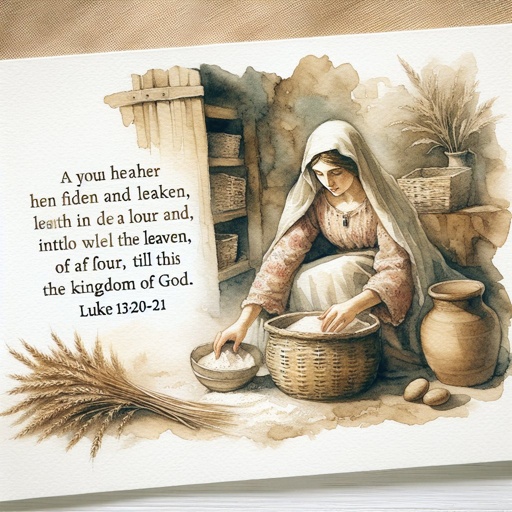
Luke 13:20-21

Luke 10:17-19

Luke 10:17-19

Luke 17:17 - "And Jesus answering said, Were there not ten cleansed? but where are the nine?"

Luke 20:28

Luke 17:10

Luke 8:17

luke 24:17

Genesis 20-17

Matthew 17:20

Luke 2:1-20
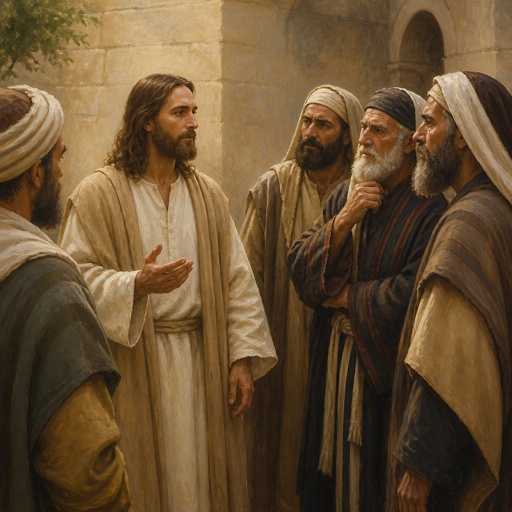
"¶ And when he was demanded of the Pharisees, when the kingdom of God should come, he answered them and said, The kingdom of God cometh not with observation:" - Luke 17:20

Luke 17:32-37

Matthew 17:20

Genesis 17-20

Luke 20:7 - "And they answered, that they could not tell whence it was."

Luke 17:32 - "Remember Lot's wife."

Luke 5:17-26

Luke 20:32 - "Last of all the woman died also."

Luke 20:4 - "The baptism of John, was it from heaven, or of men?"

Luke 20:22 - "Is it lawful for us to give tribute unto Caesar, or no?"
Luke 20:30 - "And the second took her to wife, and he died childless."

Luke 17:5 - "And the apostles said unto the Lord, Increase our faith."