What does Luke 20:23 mean?
“But he perceived their craftiness, and said unto them, Why tempt ye me?” — Luke 20:23
In Luke 20:23 of the King James Version, the verse reads, "But he perceived their craftiness, and said unto them, Why tempt ye me?"
This verse is part of a larger narrative found in the 20th chapter of the Gospel of Luke, in which Jesus is being questioned by the religious leaders of the day, particularly the Pharisees and Herodians. The immediate context of this verse is their attempt to trap Jesus by asking if it is lawful to pay taxes to Caesar. The religious leaders are trying to put Jesus in a difficult position, where no matter how he responds, he will offend someone – either the Roman authorities or the Jewish people.
The verse highlights Jesus' awareness and understanding of the motives behind the questions posed to him. It speaks to his astuteness and discernment – he sees through the veneer of the religious leaders' words and recognizes their true intentions. He knows that they are not seeking genuine answers but are rather trying to entrap and discredit him.
The theme of craftiness or deceit is central to this verse. Jesus recognizes and addresses the manipulation and cunning of the religious leaders. Throughout the Gospels, there is a recurring theme of Jesus confronting religious hypocrisy and challenging the false piety of the religious elite. This verse serves as a demonstration of Jesus' unwavering integrity and his refusal to be ensnared by the deceptive tactics of his opponents.
The verse also speaks to the concept of temptation. Jesus asks, "Why tempt ye me?" This question reflects his resistance to succumbing to the enticements and provocations of those who seek to undermine his teachings and authority. It emphasizes his moral strength and steadfastness in the face of adversity. The idea of temptation extends beyond this specific interaction with the religious leaders to encompass the broader spiritual struggle between good and evil, righteousness and sin.
Symbolically, this verse can be seen as a representation of the ongoing battle between truth and falsehood. Jesus' ability to perceive the craftiness of his adversaries serves as a model for believers to discern and resist the deceitful schemes of those who seek to undermine the truth. It also serves as a call to exercise wisdom and discernment in the face of deception and duplicity.
In a larger context, this verse is part of Jesus' ongoing confrontation with the religious establishment of his time. Throughout the Gospels, Jesus openly challenges the religious leaders, exposing their hypocrisy and calling for a deeper, more authentic expression of faith. This verse is a reminder of the need to be vigilant against false teachings and to remain steadfast in the face of opposition and temptation.
Overall, Luke 20:23 captures the essence of Jesus' unwavering commitment to truth and righteousness, his sharp awareness of the deceptive tactics employed by his adversaries, and his call for believers to exercise discernment and moral fortitude in the face of opposition. This verse continues to resonate as a timeless reminder of the enduring struggle between good and evil and the steadfastness required to uphold the truth.
Get our apps


Artwork for Luke 20:23

Luke 20:23 - "But he perceived their craftiness, and said unto them, Why tempt ye me?"

"But he perceived their craftiness, and said unto them, Why tempt ye me?" - Luke 20:23

Luke 23:20 - "Pilate therefore, willing to release Jesus, spake again to them."
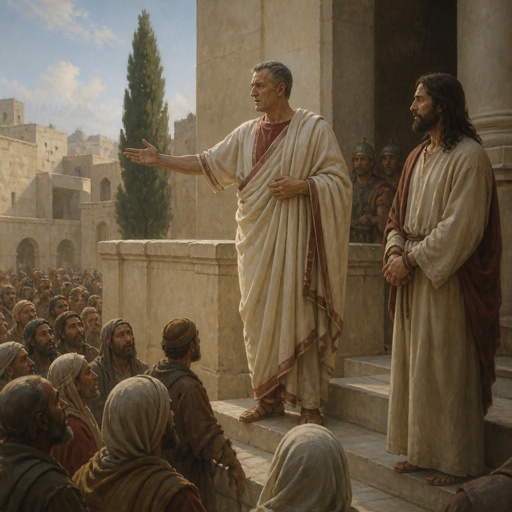
"Pilate therefore, willing to release Jesus, spake again to them." - Luke 23:20

Luke 23:53

Luke 19:23

luke 11:23

Luke 19:23

Luke 13:20-21

Luke 13:20-21

luke 11:23

Luke 15:23

luke 11:23

luke 11:23

Luke 13:20-21

Luke 13:20-21
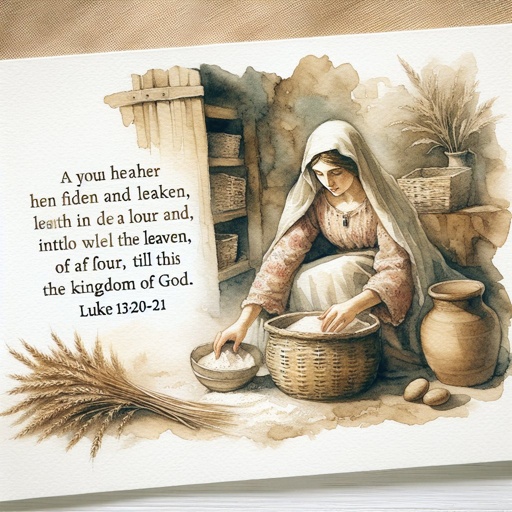
Luke 13:20-21

Exodus 23:20

Luke 20:28

Genesis 23-20

Leviticus 23:20

Luke 23:54 - "And that day was the preparation, and the sabbath drew on."

Luke 23:23 - "And they were instant with loud voices, requiring that he might be crucified. And the voices of them and of the chief priests prevailed."

Luke 2:1-20

Luke 23:24 - "And Pilate gave sentence that it should be as they required."

Leviticus 24:20-23

Luke 20:7 - "And they answered, that they could not tell whence it was."

Luke 23:45 - "And the sun was darkened, and the veil of the temple was rent in the midst."

Luke 7:23 - "And blessed is he, whosoever shall not be offended in me."

Luke 23:21 - "But they cried, saying, Crucify him, crucify him."