
Luke 20:32 (KJV) "Last of all the woman died also."
The verse Luke 20:32 is part of a larger passage in the book of Luke that recounts an encounter between Jesus and the Sadducees, a Jewish sect that did not believe in the resurrection of the dead. In this passage, the Sadducees are trying to challenge Jesus and his beliefs by presenting a hypothetical scenario involving a woman who is married to seven different brothers in succession. In this specific verse, the Sadducees are asking Jesus whose wife the woman will be in the afterlife, as all seven brothers have been married to her.
This passage is rich in meaning and symbolism and has several important themes, including the afterlife, the power of God, and the nature of marriage. At its core, this passage is addressing the fundamental question of what happens to people after they die, and what role marriage plays in the afterlife.
One of the central themes in this passage is the concept of resurrection and life after death. The Sadducees, as mentioned earlier, did not believe in the resurrection, and they were using this hypothetical scenario to challenge Jesus on this belief. However, Jesus’s response to their question underscores his own belief in the resurrection and the afterlife. He tells the Sadducees that in the afterlife, people will not marry or be given in marriage but will be like angels, indicating that relationships in the afterlife will be fundamentally different from those on earth.
Another important theme in this passage is the power and authority of God. Jesus’s response to the Sadducees emphasizes that God is the God of the living and not of the dead. This statement reaffirms the belief in the resurrection and the continuity of life, and it asserts God’s sovereignty over death and the afterlife.
The nature of marriage is also a significant theme in this passage. Jesus’s words about marriage in the afterlife challenge the traditional understanding of marriage as an eternal institution. Instead, he suggests that the nature of relationships will be fundamentally different in the afterlife, and that the primary focus will be on our relationship with God.
In terms of context, this passage takes place during the last week of Jesus’s life, as he is teaching in the temple in Jerusalem. The religious leaders, including the Sadducees, were constantly trying to trip Jesus up and discredit him, and this passage is one example of their attempts to challenge his teachings.
Symbolism plays an important role in this verse as well. The woman who is married to seven different brothers represents the complexity and transience of human relationships. Her story is a metaphor for the temporal and imperfect nature of earthly relationships, and Jesus’s response points to the eternal and perfect nature of our relationship with God.
In summary, Luke 20:32 is a thought-provoking and profound passage that addresses fundamental questions about the afterlife, the power of God, and the nature of marriage. It challenges traditional beliefs about these topics and offers a glimpse into a deeper, more profound understanding of the divine and eternal nature of life.
Get our apps


Artwork for Luke 20:32

Luke 20:32 - "Last of all the woman died also."

"Last of all the woman died also." - Luke 20:32

Luke 1:32

Luke 1:32

Luke 1:32

Luke 1:32

Luke 1:32
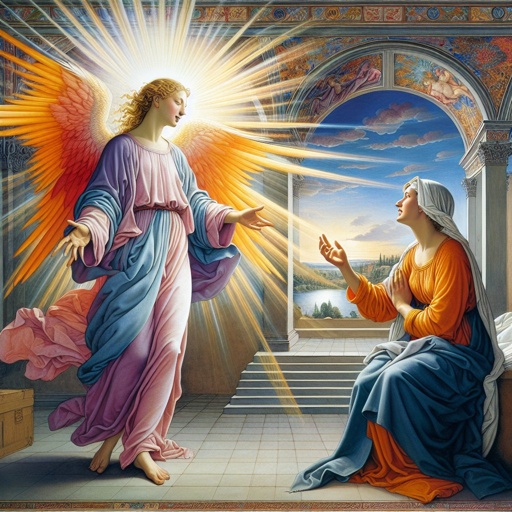
Luke 1:32

Luke 1:32

Luke 17:32 - "Remember Lot's wife."

Luke 15:11-32

Luke 17:32-37

Luke 5:32 - "I came not to call the righteous, but sinners to repentance."

Luke 22:31-32 - "Luke 22:31-32: And the Lord said, Simon, Simon, behold, Satan hath desired to have you, that he may sift you as wheat: But I have prayed for thee, that thy faith fail not: and when thou art converted, strengthen thy brethren."

Luke 2:32 - "A light to lighten the Gentiles, and the glory of thy people Israel."

Luke 4:32 - "And they were astonished at his doctrine: for his word was with power."

"Remember Lot's wife." - Luke 17:32

The Plague of Flies - Exodus 8:20-32.

The Plague of Flies - Exodus 8:20-32

Luke 13:20-21

Luke 13:20-21

Luke 23:32 - "And there were also two other, malefactors, led with him to be put to death."

The Plague of Flies - Exodus 8:20-32

Luke 13:20-21

Luke 13:20-21
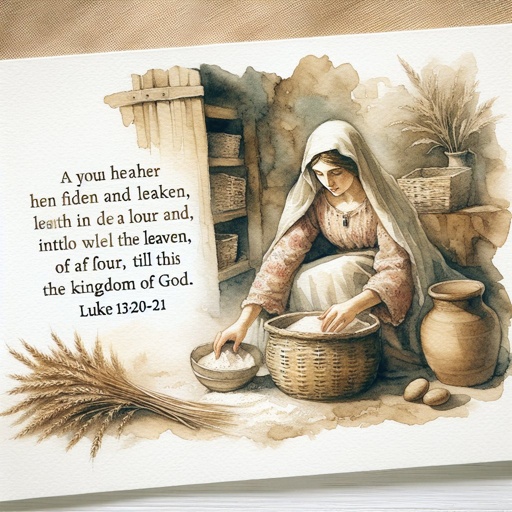
Luke 13:20-21

Luke 18:32 - "For he shall be delivered unto the Gentiles, and shall be mocked, and spitefully entreated, and spitted on:"

Luke 12:32 - "Fear not, little flock; for it is your Father's good pleasure to give you the kingdom."

Luke 20:28

Luke 10:32 - "And likewise a Levite, when he was at the place, came and looked on him, and passed by on the other side."