What does Luke 20:7 mean?
“And they answered, that they could not tell whence it was.” — Luke 20:7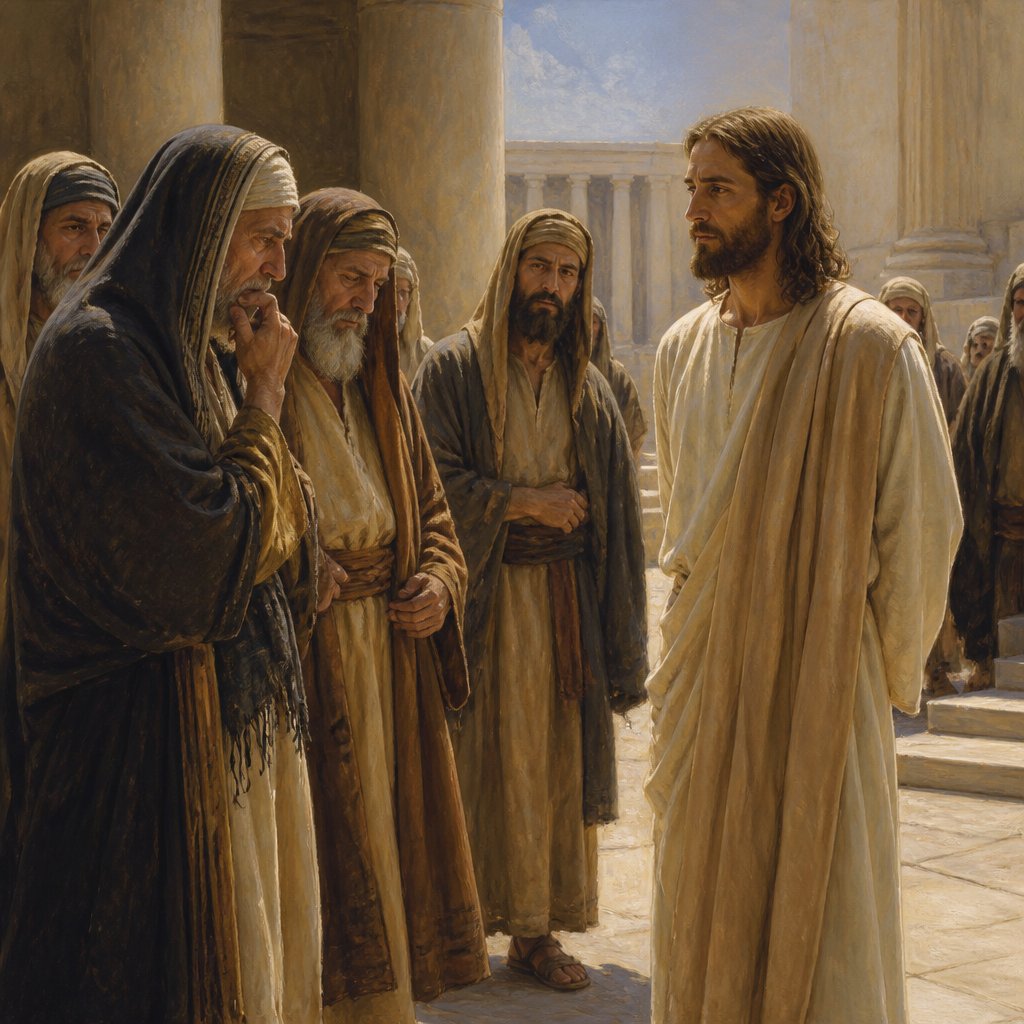
In Luke 20:7, Jesus tells the parable of the wicked tenants. The verse reads, "And they answered, that they could not tell whence it was."
To fully understand the meaning and significance of this verse, it is important to look at the context in which it is found. In this parable, Jesus is speaking to the chief priests, scribes, and elders in the temple. He tells the story of a landowner who planted a vineyard and then leased it to tenants. When the time came to collect the fruit of the vineyard, the landowner sent his servant to the tenants. However, the tenants beat the servant and sent him away empty-handed. The landowner then sent another servant, but the tenants also mistreated him. Finally, the landowner sent his beloved son, thinking they would respect him. However, the tenants killed the son, thinking that they would inherit the vineyard. Jesus then asks the chief priests what the landowner will do to those tenants, to which they respond with the answer in Luke 20:7.
The parable of the wicked tenants holds deep symbolism and themes, and the verse in question is a crucial part of understanding the weight of the parable. Firstly, the parable serves as a warning to the religious leaders of the time, as well as to all who hear the story, that rejecting and mistreating the messengers and ultimately the Son of God has serious consequences. The wicked tenants represent the religious leaders who rejected the prophets sent by God and ultimately rejected Jesus, the Son of God.
The verse in question, "And they answered, that they could not tell whence it was," reflects the blindness and arrogance of the religious leaders. They were unable to recognize the authority and origin of the Son of God, despite all the signs and miracles that Jesus had performed. This response highlights their willful ignorance and inability to accept the truth.
Another important theme in this passage is the idea of stewardship and our responsibility to God. The landowner represents God, and the vineyard symbolizes the kingdom of God. The tenants were entrusted with the care of the vineyard, but they failed to fulfill their responsibilities and instead acted selfishly and wickedly. This serves as a reminder to us that we are all stewards of God's creation and are called to be faithful and obedient in our stewardship.
The parable also foreshadows the rejection and crucifixion of Jesus. The son sent by the landowner represents Jesus, who was ultimately rejected and killed by those who should have recognized and accepted him. This serves as a powerful reminder of Jesus' sacrifice and the redemption that is available through his death and resurrection.
Furthermore, the parable and this verse reflect the ongoing conflict between God and humanity. Throughout history, God has sent messengers to His people, but they have often been rejected and mistreated. This parable is a reflection of the ongoing struggle between God's desire for relationship with humanity and humanity's rejection of God's messengers.
In conclusion, Luke 20:7 is a key verse in the parable of the wicked tenants, which holds deep meaning and significance. It serves as a warning about the consequences of rejecting the messengers and the Son of God, as well as a reminder of our responsibility as stewards of God's creation. This passage also foreshadows the rejection and crucifixion of Jesus and reflects the ongoing conflict between God and humanity. It is a powerful and timeless message that continues to resonate today.
Get our apps


Artwork for Luke 20:7

Luke 20:7 - "And they answered, that they could not tell whence it was."

"And they answered, that they could not tell whence it was." - Luke 20:7

Luke 7:20 - "When the men were come unto him, they said, John Baptist hath sent us unto thee, saying, Art thou he that should come? or look we for another?"

Luke 13:20-21

Luke 13:20-21

Luke 13:20-21

Luke 13:20-21
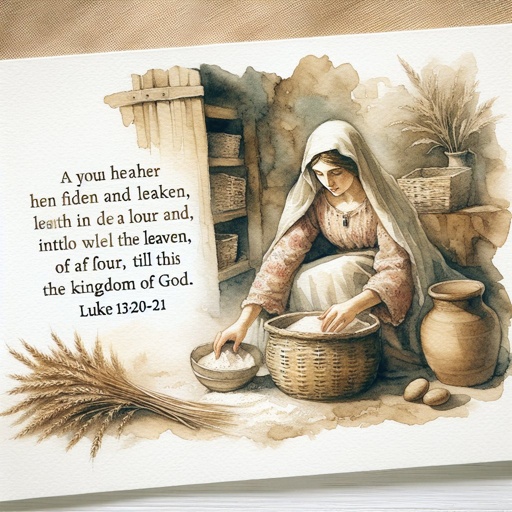
Luke 13:20-21

Luke 20:28

Luke 2:1-20

Luke 20:32 - "Last of all the woman died also."
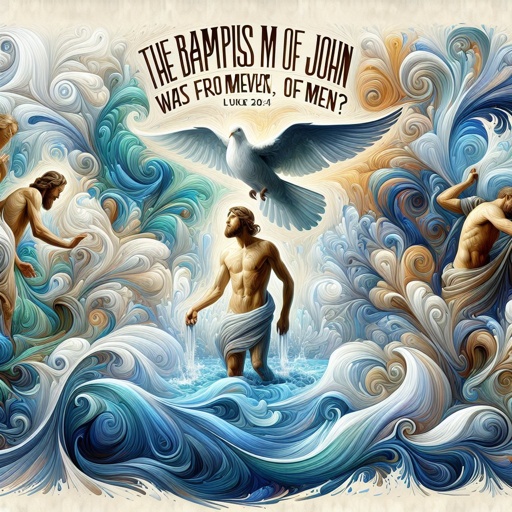
Luke 20:4 - "The baptism of John, was it from heaven, or of men?"

Luke 20:22 - "Is it lawful for us to give tribute unto Caesar, or no?"

Luke 7:33

Luke 7:50

Luke 7:50
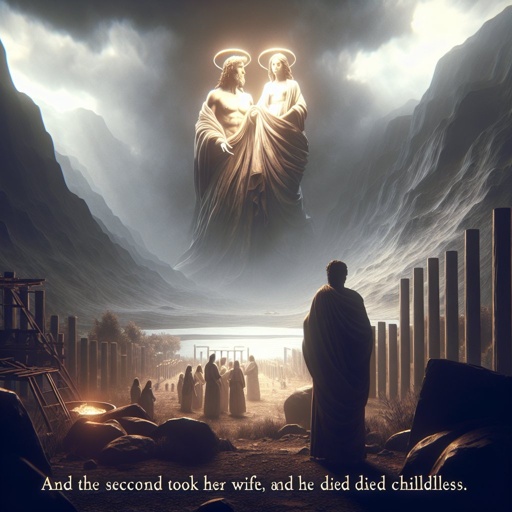
Luke 20:30 - "And the second took her to wife, and he died childless."

Luke 20:40 - "And after that they durst not ask him any question at all."

Luke 20:43 - "Till I make thine enemies thy footstool."

Luke 20:45 - "¶ Then in the audience of all the people he said unto his disciples,"

Revelation 20:7

Revelation 20:7

Revelation 20:7

Luke 20:38 - "For he is not a God of the dead, but of the living: for all live unto him."

Luke 23:20 - "Pilate therefore, willing to release Jesus, spake again to them."

Psalm 20 :7

Genesis 20-7

Psalm 20:7

Revelation 20:7

Luke 7:36-50