What does Luke 22:3 mean?
"¶ Then entered Satan into Judas surnamed Iscariot, being of the number of the twelve." - Luke 22:3
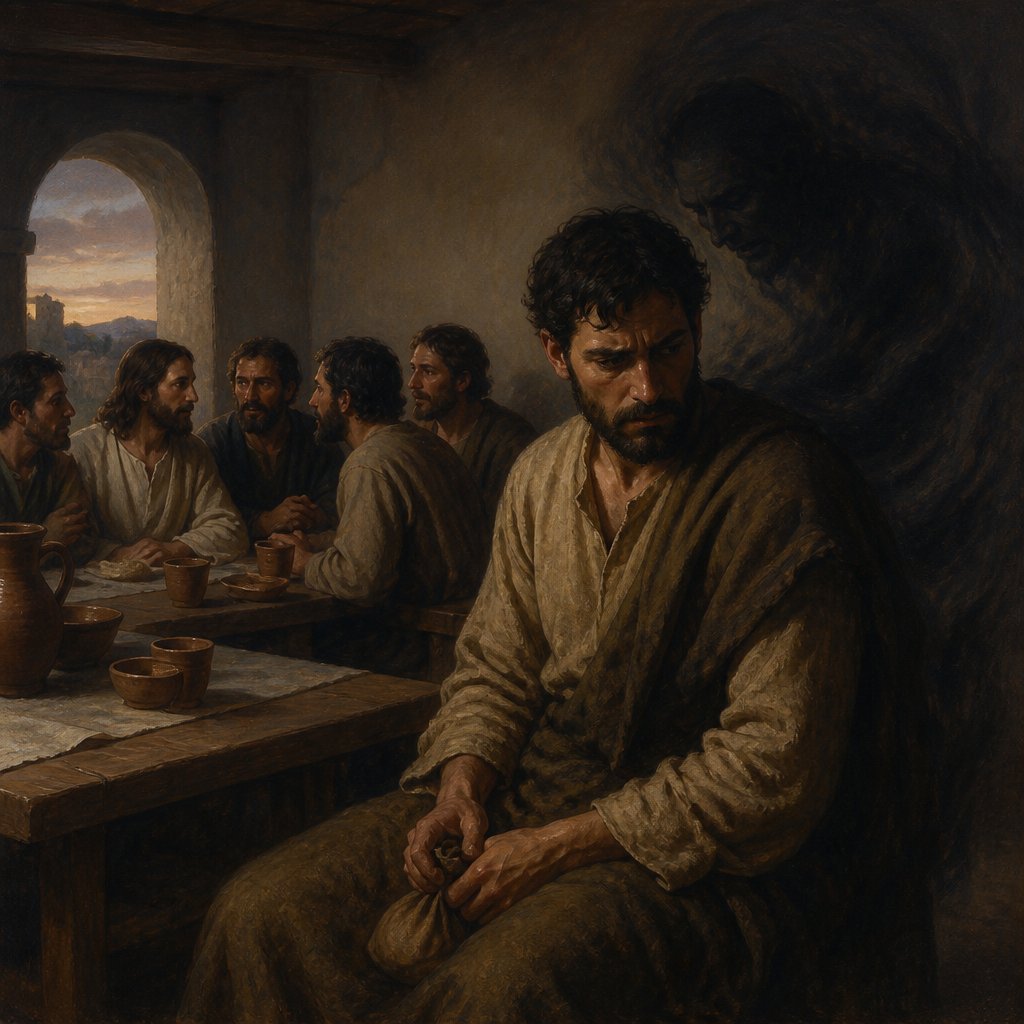
Luke 22:3 in the King James Version (KJV) states, "Then entered Satan into Judas surnamed Iscariot, being of the number of the twelve." This verse is part of the account of the betrayal of Jesus by Judas Iscariot, one of the twelve disciples. The narrative of Judas' betrayal is a pivotal moment in the New Testament, as it sets the stage for Jesus' arrest, trial, and crucifixion.
The context of this verse is crucial to understanding its significance. In the preceding verses, Jesus predicts his impending betrayal, foreshadowing the events to come. Luke 22:1-6 describes the actions of the chief priests and scribes, who sought to kill Jesus but were afraid to do so publicly because of the people. This sets the stage for Judas' actions, as he makes a deal with the religious leaders to betray Jesus in exchange for money.
The entry of Satan into Judas is a significant aspect of this verse. It represents the influence of evil forces on the decision of Judas to betray Jesus. The mention of Satan entering Judas conveys the idea that Judas was not acting solely of his own volition but was under the influence of demonic forces. This emphasizes the spiritual battle between good and evil that is at the heart of the events leading to Jesus' crucifixion.
The betrayal of Jesus by Judas carries several important themes that are central to the Christian faith. One of these themes is the idea of free will and the choices that individuals make. Judas had the free will to either remain loyal to Jesus or to betray him, and his choice to betray Jesus is a sobering reminder of the capacity for human beings to act in ways that are contrary to God's will. This serves as a cautionary tale about the dangers of succumbing to temptation and the influence of evil.
Another theme highlighted in this verse is the idea of spiritual warfare. The entry of Satan into Judas underscores the ongoing battle between good and evil, and the role of spiritual forces in shaping human actions. This theme is a recurring motif throughout the Bible, emphasizing the supernatural aspects of human existence and the need for spiritual discernment and vigilance.
The symbolism in this verse is rich and multi-layered. Judas, as one of the twelve disciples, represents the idea of betrayal from within the community of believers. His actions serve as a warning about the potential for deception and disloyalty, even among those who are closest to Jesus. The entry of Satan into Judas symbolizes the insidious nature of temptation and the ways in which evil can take hold of individuals, leading them astray.
Furthermore, the betrayal of Jesus by Judas is a symbolic representation of the larger theme of redemption and sacrifice. Jesus' willingness to endure betrayal and suffering ultimately leads to the redemption of humanity, as his death on the cross atones for the sins of the world. Judas' betrayal, while a tragic and reprehensible act, becomes part of the larger divine plan for the salvation of humanity.
In conclusion, Luke 22:3 in the King James Version offers a profound and thought-provoking exploration of the themes of betrayal, free will, spiritual warfare, and redemption. Its rich symbolism and powerful narrative serve as a reminder of the complexities of human nature and the ongoing struggle between good and evil. This verse invites readers to reflect on the choices they make and the spiritual forces at work in their lives, while also pointing towards the ultimate hope found in the redemptive power of Jesus' sacrifice.
Have questions about Luke 22:3?
Dive deeper into this scripture with Bible Chat — an AI-powered tool for exploring God's Word through conversation. Ask questions, get context, and grow in your understanding of the Bible.
Get Our Apps


Luke 22:3 Artwork

Luke 22:3 - "¶ Then entered Satan into Judas surnamed Iscariot, being of the number of the twelve."
"¶ Then entered Satan into Judas surnamed Iscariot, being of the number of the twelve." - Luke 22:3
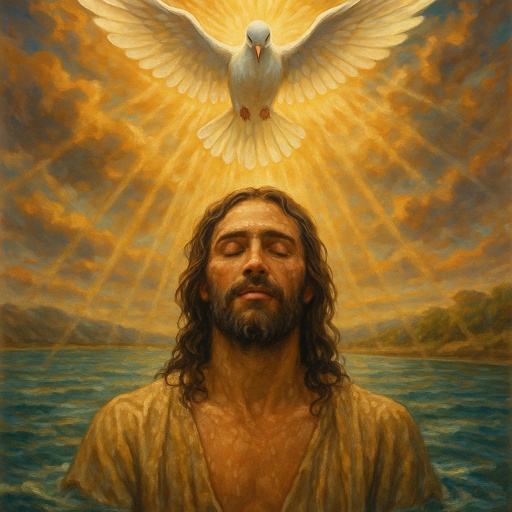
"And the Holy Ghost descended in a bodily shape like a dove upon him, and a voice came from heaven, which said, Thou art my beloved Son; in thee I am well pleased." - Luke 3:22

Luke 3:22 - "And the Holy Ghost descended in a bodily shape like a dove upon him, and a voice came from heaven, which said, Thou art my beloved Son; in thee I am well pleased."

luke 22:42

Luke 22:39

Luke 22:61,62

Luke 22:39

luke 22 44
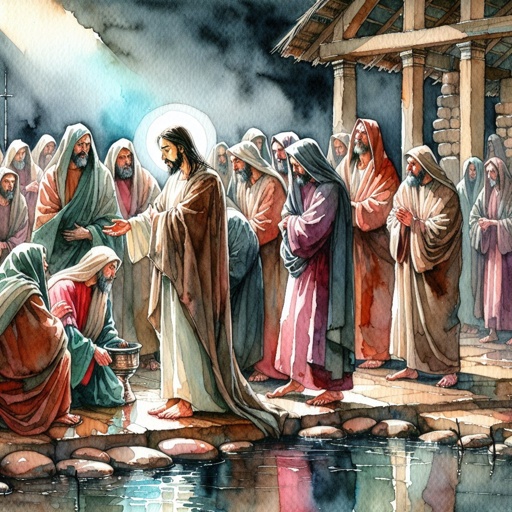
luke 22:42

Luke 22:42

Luke 16:22-26
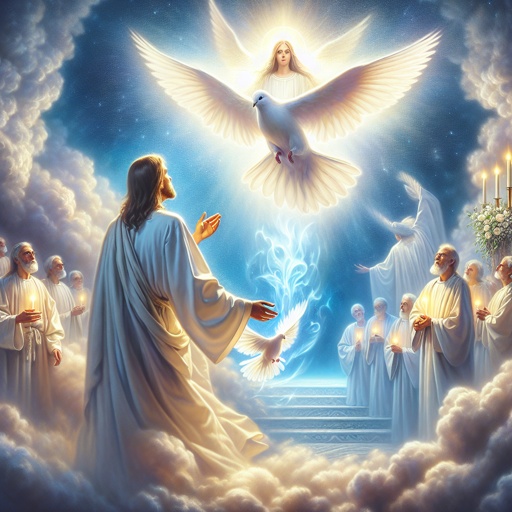
Luke 3:22 and the Holy Spirit descended upon Him in bodily form like a dove, and a voice came from heaven: “You are My beloved Son, in You I am well pleased.”

Luke 22:62 - "And Peter went out, and wept bitterly."
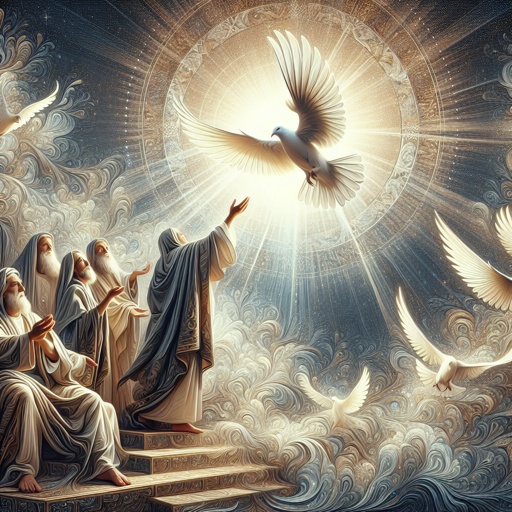
create image-'and the Holy Spirit descended upon Him in bodily form like a dove, and a voice came out of heaven, “You are My beloved Son, in You I am well-pleased.” ' Luke 3:22

Luke 20:22 - "Is it lawful for us to give tribute unto Caesar, or no?"

Luke 22:5 - "And they were glad, and covenanted to give him money."

Luke 22:28 - "Ye are they which have continued with me in my temptations."

Luke 22:65 - "And many other things blasphemously spake they against him."

Luke 22:63 - "¶ And the men that held Jesus mocked him, and smote him."

Luke 22:31-32 - "Luke 22:31-32: And the Lord said, Simon, Simon, behold, Satan hath desired to have you, that he may sift you as wheat: But I have prayed for thee, that thy faith fail not: and when thou art converted, strengthen thy brethren."

Luke 22:21 - "¶ But, behold, the hand of him that betrayeth me is with me on the table."

Luke 22:43 - "And there appeared an angel unto him from heaven, strengthening him."

Luke 22:57 - "And he denied him, saying, Woman, I know him not."

Luke 22:7 - "¶ Then came the day of unleavened bread, when the passover must be killed."

Luke 21:22 - "For these be the days of vengeance, that all things which are written may be fulfilled."

Luke 22:9 - "And they said unto him, Where wilt thou that we prepare?"

Luke 22:24 - "¶ And there was also a strife among them, which of them should be accounted the greatest."

Luke 22:69 - "Hereafter shall the Son of man sit on the right hand of the power of God."

Luke 22:14 - "And when the hour was come, he sat down, and the twelve apostles with him."