What does Luke 22:20 mean?
“Likewise also the cup after supper, saying, This cup is the new testament in my blood, which is shed for you.” — Luke 22:20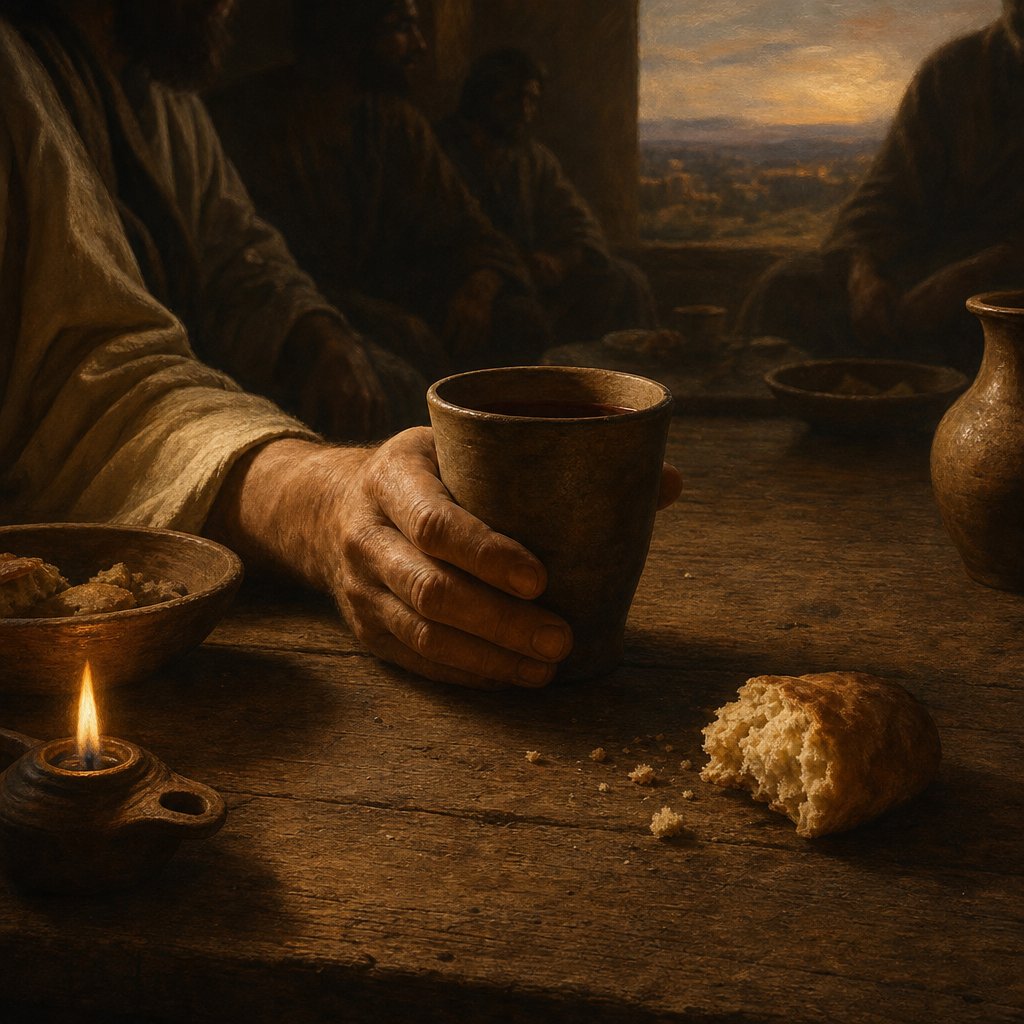
Luke 22:20 in the King James Version reads, “Likewise also the cup after supper, saying, This cup is the new testament in my blood, which is shed for you.” The meaning of the verse is rooted in the setting of Jesus’ last meal with his disciples on the night of his betrayal, when he deliberately interprets the bread and the cup in light of what is about to happen to him. He is not merely sharing a final moment of fellowship; he is revealing that his approaching death will be a covenant-making act, and he gives his followers a memorial by which they are to understand it.
The immediate context is the Passover. Passover recalled how the LORD redeemed Israel from bondage by the blood of the lamb and brought them into a new life as his covenant people. Jesus speaks “after supper,” at the moment when the shared cup belongs to a meal that already carries the memory of deliverance through blood. In that setting Jesus takes the familiar symbol and declares its fulfillment in himself. He does not say the cup is simply a reminder of a covenant; he says, “This cup is the new testament in my blood.” In KJV usage, “testament” carries the weight of a covenant arrangement established by God. Jesus is therefore announcing that a new covenant order is being ratified, and the ratifying blood is his own.
The phrase “in my blood” is central. In Scripture, blood signifies life given up, and in covenant language it signifies solemn binding: covenants were confirmed by sacrifice, and blood marked atonement and cleansing. By saying the new testament is “in my blood,” Jesus identifies his death as the means by which this new covenant is put into effect. It is not based on the blood of animals, nor on human merit, nor on mere moral reform, but on the offering of his life. The cup becomes the sign that his life is poured out, and that what is about to happen is not an accident of history but the intended means of redemption.
The words “which is shed for you” bring the personal and substitutionary note into full clarity. Jesus speaks not in vague generalities but to his disciples directly. The shedding of his blood is “for you,” meaning on behalf of, for the benefit of, in the place of sinners who need deliverance. The verse therefore carries both covenant and sacrifice: covenant, because a “new testament” is being established; sacrifice, because it is established by blood “shed.” The significance is that Jesus interprets his death as an atoning act that secures a new relationship between God and his people, and he grounds that relationship in his own self-giving.
The symbolism of “the cup” is also important. A cup can represent what is portioned out and received. Here it is received in fellowship with Jesus, and it signifies participation in the benefits of his sacrificial death. The cup is not presented as an isolated ritual but as part of table fellowship, showing that the new testament is meant to create a people who share communion with their Lord and with one another on the basis of his blood. It also highlights that this covenant is received rather than achieved: the disciples take what Jesus gives.
Luke’s wording emphasizes sequence and deliberation: “Likewise also the cup after supper, saying…” Jesus speaks as one who knows what is coming and chooses to frame it for his followers. The verse thus carries the theme of divine purpose in suffering. Betrayal, arrest, and death are near, yet Jesus’ words present his bloodshed not as defeat but as covenant-making victory. The disciples will soon see scandal and grief, but Jesus gives them an interpretive key: his blood is not merely spilled by violence; it is “shed for you,” and it inaugurates “the new testament.”
This is why Luke 22:20 is significant for understanding the Lord’s Supper and the gospel itself. The verse ties together remembrance and reality: the cup is a memorial sign, yet what it signifies is a real covenant enacted through a real sacrifice. It gathers up the Old Testament patterns of Passover and covenant blood and declares their fulfillment in Jesus’ self-offering. In a single sentence it proclaims that salvation is covenantal, sacrificial, and personal: a new testament established, in Christ’s blood, shed for his people.
Get our apps


Artwork for Luke 22:20

Luke 22:20 - "Likewise also the cup after supper, saying, This cup is the new testament in my blood, which is shed for you."
"Likewise also the cup after supper, saying, This cup is the new testament in my blood, which is shed for you." - Luke 22:20

Luke 20:22 - "Is it lawful for us to give tribute unto Caesar, or no?"
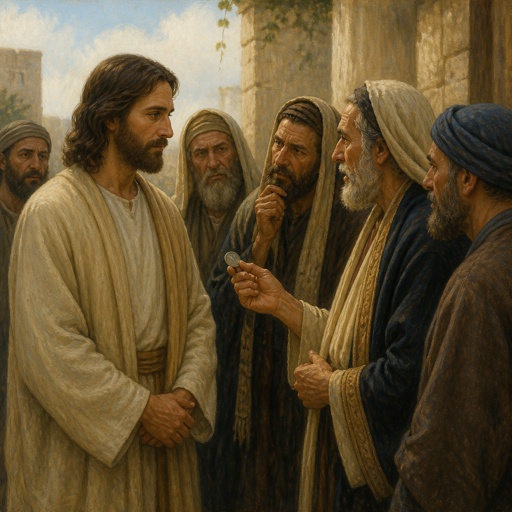
"Is it lawful for us to give tribute unto Caesar, or no?" - Luke 20:22

Luke 13:20-21

Luke 13:20-21

Luke 13:20-21

Luke 13:20-21
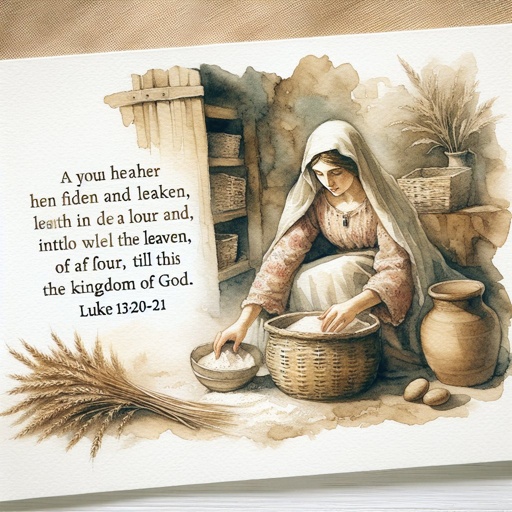
Luke 13:20-21
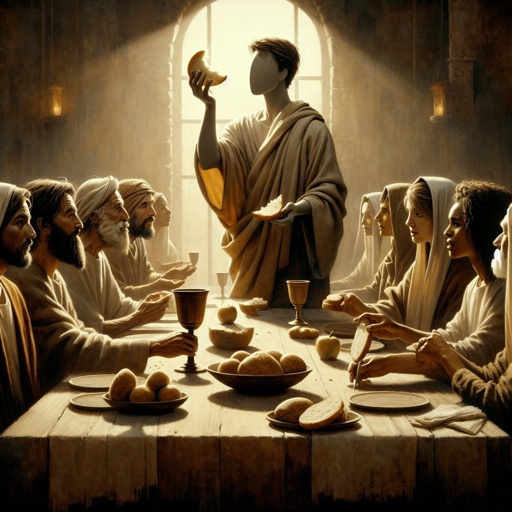
Luke 22:19-20 - "And he took bread, gave thanks and broke it, and gave it to them, saying, “This is my body given for you; do this in remembrance of me.” In the same way, after the supper he took the cup, saying, “This cup is the new covenant in my blood, which is poured out for you."

luke 22:42

Luke 22:39

Luke 22:61,62

Luke 22:39

luke 22 44
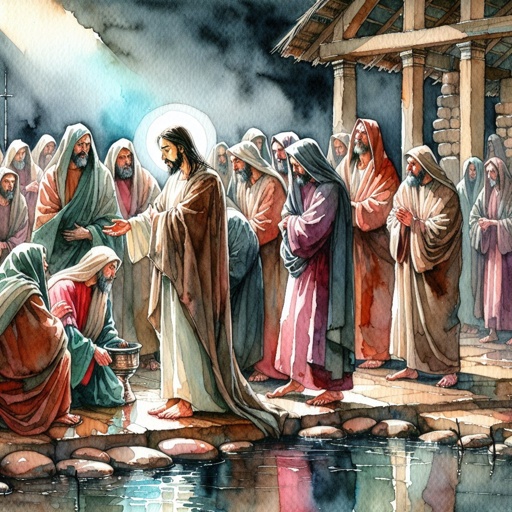
luke 22:42

Luke 22:42

Luke 20:28

Genesis 22-20

Luke 16:22-26

Luke 2:1-20

Luke 20:7 - "And they answered, that they could not tell whence it was."

Luke 22:62 - "And Peter went out, and wept bitterly."
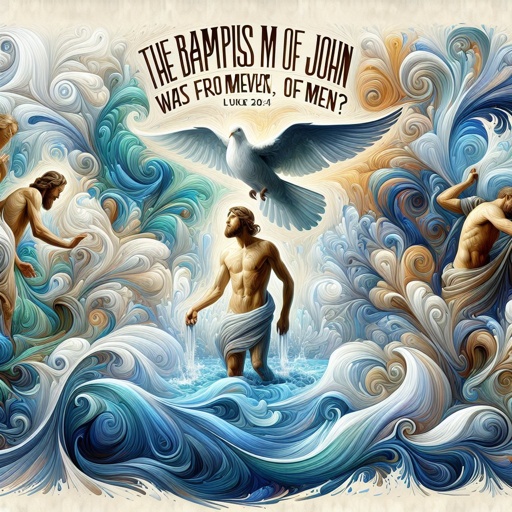
Luke 20:4 - "The baptism of John, was it from heaven, or of men?"

Luke 20:32 - "Last of all the woman died also."

Luke 22:5 - "And they were glad, and covenanted to give him money."

Luke 22:28 - "Ye are they which have continued with me in my temptations."

Luke 22:63 - "¶ And the men that held Jesus mocked him, and smote him."

Luke 22:65 - "And many other things blasphemously spake they against him."

Luke 22:31-32 - "Luke 22:31-32: And the Lord said, Simon, Simon, behold, Satan hath desired to have you, that he may sift you as wheat: But I have prayed for thee, that thy faith fail not: and when thou art converted, strengthen thy brethren."