What does Luke 22:21 mean?
"¶ But, behold, the hand of him that betrayeth me is with me on the table." - Luke 22:21
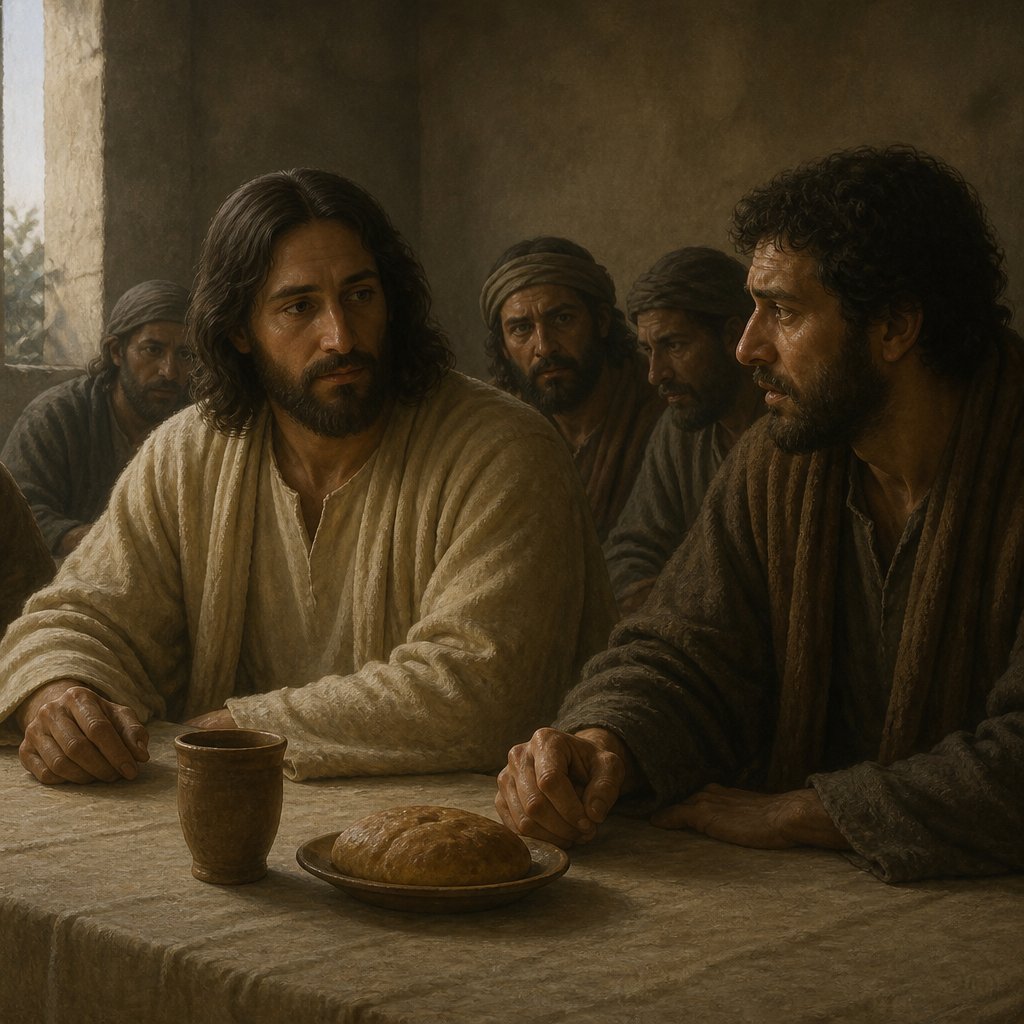
Luke 22:21 in the King James Version reads, "But, behold, the hand of him that betrayeth me is with me on the table." This verse is part of the larger passage in the book of Luke that documents the Last Supper, when Jesus gathers with his disciples to share a final meal before his crucifixion. This particular verse refers to the fact that Jesus is aware that one of his disciples will betray him, and that person is sitting at the table with him.
This verse holds great significance in the larger narrative of Jesus' life and the Christian faith. It speaks to the theme of betrayal, a central component of the Christian story. As Jesus foretold, one of his close followers, Judas Iscariot, would indeed betray him to the authorities, ultimately leading to his arrest and crucifixion. This act of betrayal is a key aspect of the Christian understanding of Jesus' sacrifice and atonement for humanity's sins.
The context of this verse is particularly poignant, as it takes place during the Last Supper, a moment that holds deep meaning in Christian tradition. In this verse, Jesus is sharing a final meal with his disciples, imparting important teachings and predictions about the events that will soon unfold. The meal becomes a symbolic representation of Jesus' impending sacrifice, and the betrayal mentioned in this verse underscores the weight of the events that are about to take place.
The symbolism in this verse is multilayered. Firstly, the image of hands on the table evokes a sense of intimacy and closeness, as the betrayer is in such close proximity to Jesus. This underscores the deep betrayal that Jesus will experience at the hands of someone so closely associated with him. The table itself holds significance as a symbol of fellowship and communion, further emphasizing the betrayal in the context of unity and community.
Furthermore, the concept of betrayal carries profound symbolic weight in the Christian tradition. The idea of being betrayed by a close friend or confidant is universally relatable, and in the context of Jesus' story, it serves as a powerful reminder of the complexities of human relationships and the capacity for both love and betrayal within them. Judas' betrayal serves as a cautionary tale, reminding believers of the dangers of succumbing to temptation and forsaking their faith in moments of weakness.
In a broader theological sense, this verse speaks to the notion of God's omniscience and sovereignty. Jesus, as the Son of God, possesses a deep understanding of the events that will transpire, including the betrayal that will occur. This serves as a reminder of God's foreknowledge and the fulfillment of divine prophecy, highlighting the overarching plan of salvation that is at work in the events surrounding Jesus' crucifixion and resurrection.
Overall, Luke 22:21 captures the profound themes of betrayal, sacrifice, and divine sovereignty that are central to the Christian faith. It serves as a poignant reminder of the human condition, the complexities of relationships, and the ultimate sacrifice made by Jesus for the redemption of humanity. As such, this verse continues to hold deep significance for believers in their reflection on the life, death, and resurrection of Jesus Christ.
Have questions about Luke 22:21?
Dive deeper into this scripture with Bible Chat — an AI-powered tool for exploring God's Word through conversation. Ask questions, get context, and grow in your understanding of the Bible.
Get Our Apps


Luke 22:21 Artwork

Luke 22:21 - "¶ But, behold, the hand of him that betrayeth me is with me on the table."
"¶ But, behold, the hand of him that betrayeth me is with me on the table." - Luke 22:21

Luke 21:22 - "For these be the days of vengeance, that all things which are written may be fulfilled."

"For these be the days of vengeance, that all things which are written may be fulfilled." - Luke 21:22

Luke 13:20-21

Luke 13:20-21
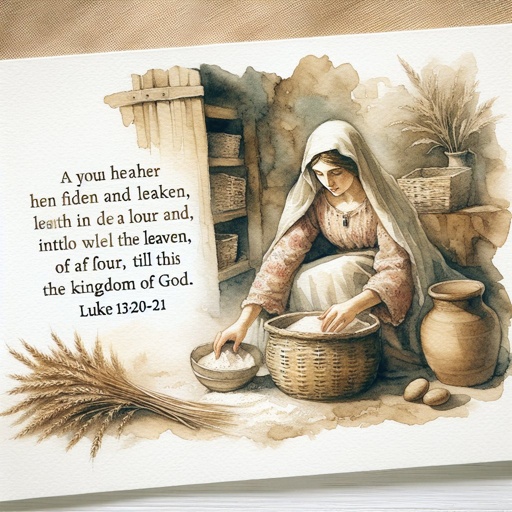
Luke 13:20-21

Luke 13:20-21

Luke 13:20-21

Matthew 9:21-22

luke 22:42

Luke 22:39

Luke 22:61,62

Luke 15:21

Luke 21:24

Luke 15:21

Luke 22:39

luke 22 44
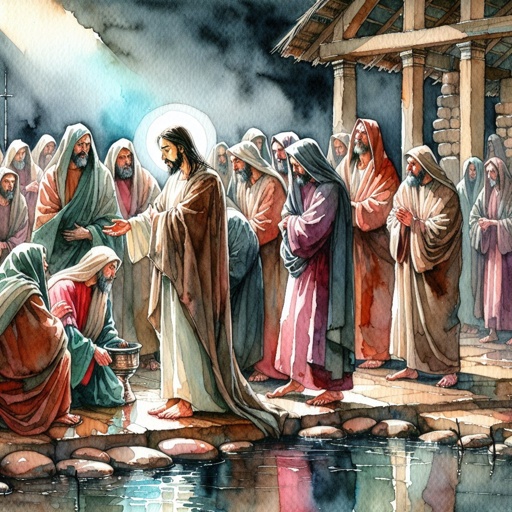
luke 22:42

Luke 22:42

Matthew 9:21-22

Matthew 9:21-22

Matthew 9:21-22

Matthew 9:21-22

Genesis 21:22

Genesis 22-21

Luke 6:21-26

luke 21:5-19

Luke 16:22-26

Luke 6:21-26