What does Luke 22:31-32 mean?
“And the Lord said, Simon, Simon, behold, Satan hath desired to have you, that he may sift you as wheat: But I have prayed for thee, that thy faith fail not: and when thou art converted, strengthen thy brethren.” — Luke 22:31-32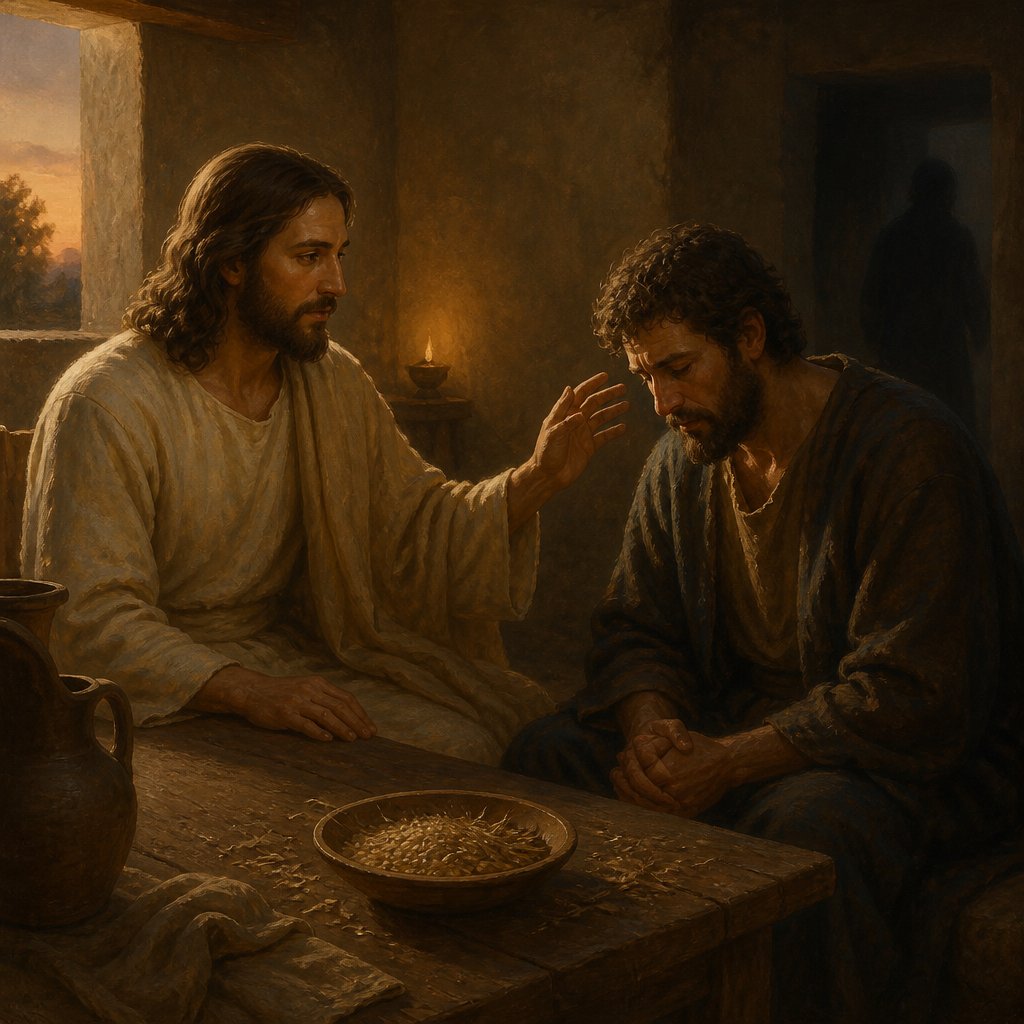
In Luke 22:31-32, Jesus is speaking to Simon Peter, one of his closest disciples. These verses convey a powerful message about the trials and tribulations that humanity faces, and the strength and purpose that comes from faith.
"31 And the Lord said, Simon, Simon, behold, Satan hath desired to have you, that he may sift you as wheat: 32 But I have prayed for thee, that thy faith fail not: and when thou art converted, strengthen thy brethren."
In this passage, Jesus is addressing Simon Peter by his birth name, Simon, twice in a row, which was a sign of emphasis and urgency. He is warning Peter that Satan has asked for permission to test him and put him through trials, much like wheat is sifted to separate the chaff from the grain. This imagery of sifting as wheat is a powerful metaphor for the trials and tribulations that every individual faces in life. It signifies the process of being tested, purified, and refined through challenges and difficulties.
However, Jesus reassures Peter by saying, "But I have prayed for thee, that thy faith fail not." This statement is significant because it shows Jesus' divine intervention and care for Peter. It also highlights the importance of prayer and the strength that comes from it. Despite the tests and trials that Peter will face, Jesus' prayer for him ensures that his faith will remain strong. This message is relevant not only to Simon Peter but to all believers who face spiritual battles and challenges in their lives.
The verse ends with Jesus instructing Peter to use his experience to strengthen his brethren once he has been converted. This demonstrates Jesus' belief in Peter's ability to overcome the trials and emerge stronger. It also emphasizes the concept of using one's own struggles and lessons learned to help and support others.
The context of this passage is crucial to understanding its significance. This conversation between Jesus and Peter takes place during the Last Supper, just before Jesus is betrayed and crucified. Jesus is preparing his disciples for the difficult times ahead and offering them words of wisdom and encouragement. The impending trials, especially Peter's denial of Jesus, make this message particularly poignant. Jesus' foresight and understanding of Peter's weaknesses, yet unwavering belief in his potential, adds a layer of compassion and hope to the message.
One of the key themes in this passage is the concept of faith and its significance in overcoming challenges. Jesus' prayer for Peter's faith not to fail underscores the importance of faith as a source of strength and resilience during difficult times. It also emphasizes the belief that through faith, individuals can endure trials and emerge stronger, just like wheat that has been sifted and purified.
Another important theme is the idea of divine intervention and support. Jesus' prayer for Peter serves as a reminder of the role of God's grace and protection in the lives of believers. It signifies the belief that God intercedes on behalf of his faithful followers and provides them with the strength to face adversities. This theme of divine intervention and support is comforting and reassuring for believers facing their own personal struggles and challenges.
The symbolism in this passage is rich and layered. The imagery of wheat being sifted represents the process of separation and purification through testing. It signifies the refining of one's character and faith through trials, highlighting the transformative nature of challenges. Jesus' prayer serves as a symbol of hope and assurance, demonstrating the power of intercession and divine guidance in the face of adversity.
In conclusion, Luke 22:31-32 conveys a profound message about the trials and tribulations that individuals face, and the strength and purpose that comes from faith. The passage is a powerful reminder of the importance of faith, divine intervention, and using one's own struggles to support and strengthen others. It holds relevance for believers facing their own personal challenges and serves as a source of comfort and inspiration.
Get our apps


Artwork for Luke 22:31-32

Luke 22:31-32 - "Luke 22:31-32: And the Lord said, Simon, Simon, behold, Satan hath desired to have you, that he may sift you as wheat: But I have prayed for thee, that thy faith fail not: and when thou art converted, strengthen thy brethren."
"Luke 22:31-32: And the Lord said, Simon, Simon, behold, Satan hath desired to have you, that he may sift you as wheat: But I have prayed for thee, that thy faith fail not: and when thou art converted, strengthen thy brethren." - Luke 22:31-32

Luke 5:31-32 - "Jesus answered them, "It is not the healthy who need a doctor, but the sick. I have not come to call the righteous, but sinners to repentance.""

Luke 22:32 - "But I have prayed for thee, that thy faith fail not: and when thou art converted, strengthen thy brethren."

Luke 22:31 - "¶ And the Lord said, Simon, Simon, behold, Satan hath desired to have you, that he may sift you as wheat:"

Luke 12:31-32 - "But rather seek ye the kingdom of God; and all these things shall be added unto you. Fear not, little flock; for it is your Father's good pleasure to give you the kingdom."

Matthew 22:31-32 - "But as touching the resurrection of the dead, have ye not read that which was spoken unto you by God, saying, I am the God of Abraham, and the God of Isaac, and the God of Jacob? God is not the God of the dead, but of the living."

Exodus 32:31-32 So Moses returned to the LORD and said, “Oh, what a great sin these people have committed! They have made gods of gold for themselves. / Yet now, if You would only forgive their sin.... But if not, please blot me out of the book that You have written.” Exodus 32:31-32
![[Luke 22:31| KJV] And the Lord said, Simon, Simon, behold, Satan hath desired to have you, that he may sift you as wheat:](https://media.bible.art/e203ce13-67a2-4578-a61f-5c89c878f962-thumbnail.jpg)
[Luke 22:31| KJV] And the Lord said, Simon, Simon, behold, Satan hath desired to have you, that he may sift you as wheat:

"Jesus answered them, "It is not the healthy who need a doctor, but the sick. I have not come to call the righteous, but sinners to repentance."" - Luke 5:31-32

Luke 1:32

Luke 1:32

Luke 1:32

Luke 1:32

Luke 1:32

Luke 1:32

Luke 1:32
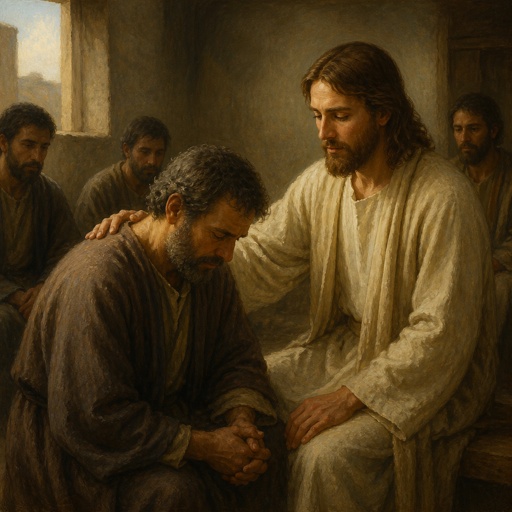
"But I have prayed for thee, that thy faith fail not: and when thou art converted, strengthen thy brethren." - Luke 22:32

Luke 1:31

Luke 17:32 - "Remember Lot's wife."

Luke 15:11-32

Luke 17:32-37

Deuteronomy 32:31 - "For their rock is not as our Rock, even our enemies themselves being judges."

Job 31:32 - "The stranger did not lodge in the street: but I opened my doors to the traveller."
Sirach 31:22
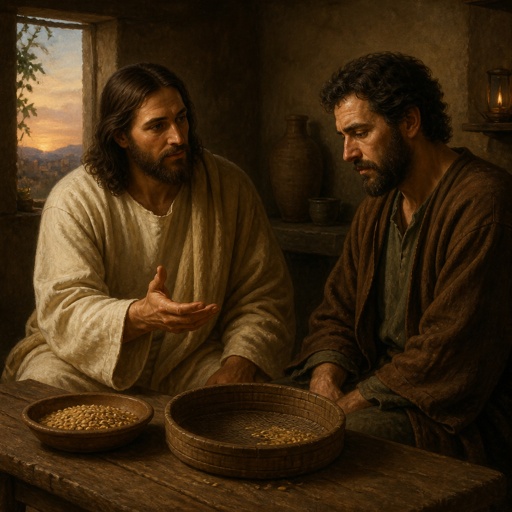
"¶ And the Lord said, Simon, Simon, behold, Satan hath desired to have you, that he may sift you as wheat:" - Luke 22:31

Luke 20:32 - "Last of all the woman died also."

Proverbs 8:22-31

Luke 5:32 - "I came not to call the righteous, but sinners to repentance."

Genesis 32:31 - "And as he passed over Penuel the sun rose upon him, and he halted upon his thigh."