What does Luke 22:71 mean?
“And they said, What need we any further witness? for we ourselves have heard of his own mouth.” — Luke 22:71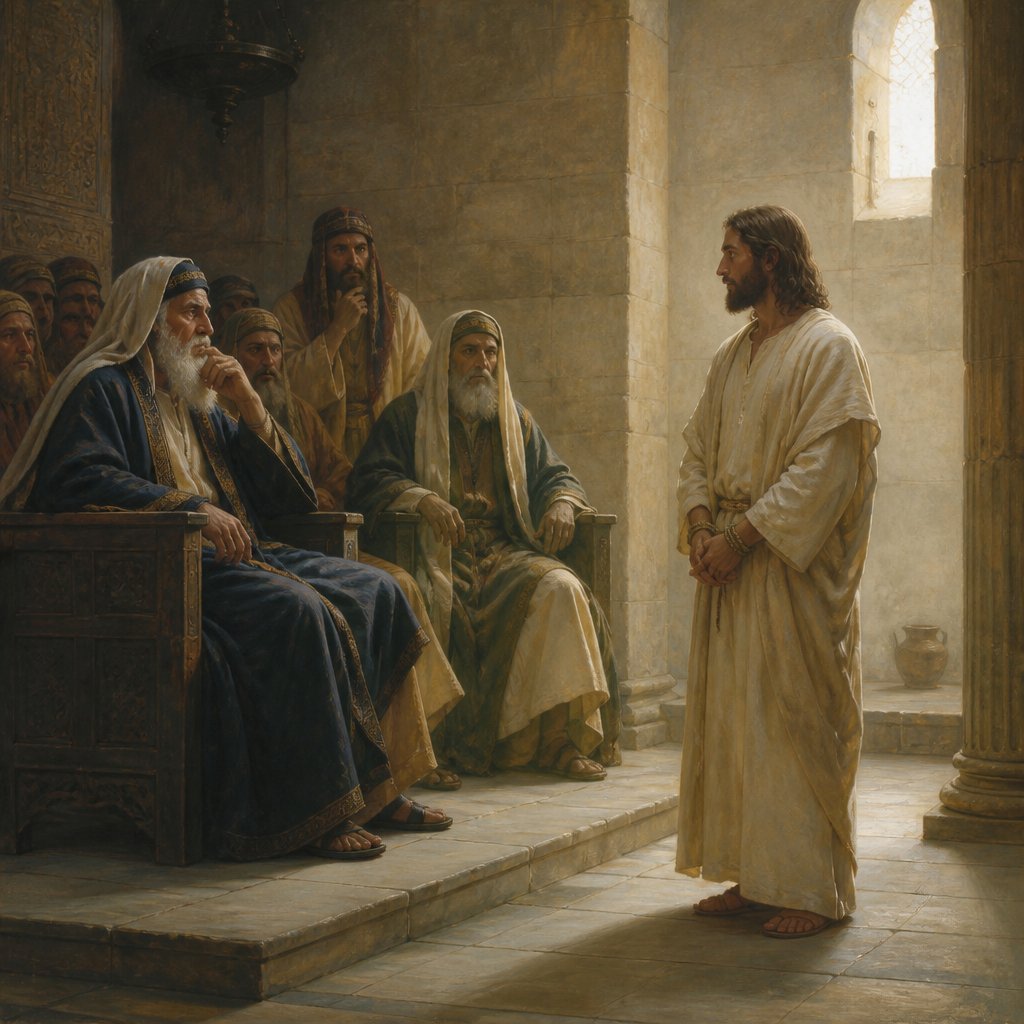
Luke 22:71 from the King James Version of the Bible reads, "And they said, What need we any further witness? for we ourselves have heard of his own mouth." This verse comes at the end of a passage in which Jesus is on trial before the Jewish leaders and the Roman governor, Pontius Pilate. The context of this verse is crucial to understanding its meaning and significance.
In the preceding verses, Jesus is asked by the high priest if he is the Son of God. Jesus responds, "Ye say that I am," which the high priest interprets as blasphemy. The high priest and the council then question Jesus about his identity, his teachings, and his followers, seeking evidence to use against him.
The verse in question, Luke 22:71, is the response of the council members after hearing Jesus' claim of being the Son of God. They express their disbelief in his claim and declare that they do not need any further witnesses because they have heard it directly from Jesus himself. This statement illustrates the council's condemnation of Jesus and their decision to proceed with charging him with blasphemy.
The theme of this verse and the surrounding passage is the trial and ultimate condemnation of Jesus. It highlights the rejection and opposition that Jesus faced from the religious and political authorities of his time. The verse also foreshadows the crucifixion of Jesus, as it sets the stage for his eventual sentencing and execution.
Symbolically, this verse represents the disbelief and rejection of Jesus' divinity by those in power. It emphasizes the conflict between Jesus' revolutionary teachings and the established religious and political institutions. It also underscores the divine purpose of Jesus' sacrifice and his willingness to endure suffering and rejection for the sake of humanity's salvation.
In a broader theological context, Luke 22:71 is a key moment in the narrative of Jesus' trial and crucifixion, leading to his resurrection and the founding of Christianity. It symbolizes the fulfillment of prophecies and the atonement for humanity's sins through the death and resurrection of Jesus. This verse serves as a reminder of the significance of Jesus' sacrifice and the central role of faith in Christian belief.
The rejection of Jesus by the council members also parallels the rejection of Jesus by many people during his earthly ministry. It reflects the human tendency to doubt and disbelieve in the face of divine revelation, and the consequences that come from rejecting the truth.
Overall, Luke 22:71 is a pivotal verse in the narrative of Jesus' trial and crucifixion, encapsulating themes of rejection, disbelief, and divine sacrifice. Its significance extends beyond the historical account of Jesus' trial to the theological core of Christian belief, emphasizing the central role of Jesus' sacrifice and the foundational truth of his identity as the Son of God.
Get our apps


Artwork for Luke 22:71

Luke 22:71 - "And they said, What need we any further witness? for we ourselves have heard of his own mouth."
"And they said, What need we any further witness? for we ourselves have heard of his own mouth." - Luke 22:71

Luke 1:71 - "That we should be saved from our enemies, and from the hand of all that hate us;"
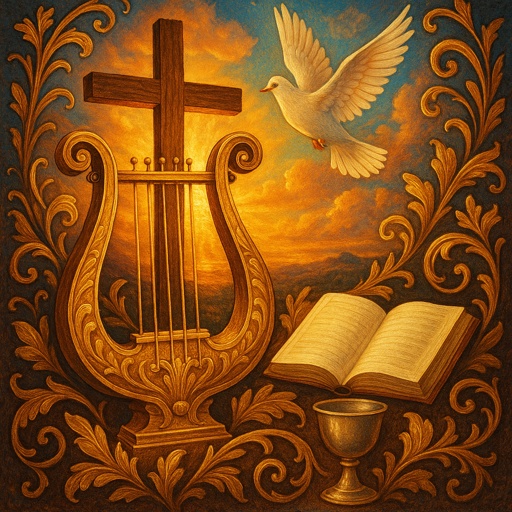
"I will also praise thee with the psaltery, even thy truth, O my God: unto thee will I sing with the harp, O thou Holy One of Israel." - Psalms 71:22

Psalms 71:22 - "I will also praise thee with the psaltery, even thy truth, O my God: unto thee will I sing with the harp, O thou Holy One of Israel."
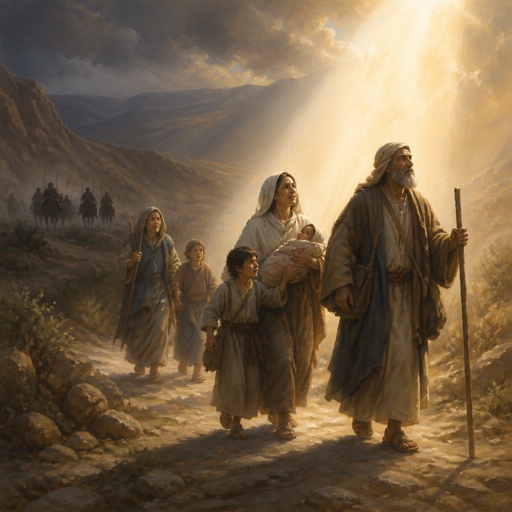
"That we should be saved from our enemies, and from the hand of all that hate us;" - Luke 1:71

luke 22:42

Luke 22:39

Luke 22:61,62

Luke 22:39

luke 22 44
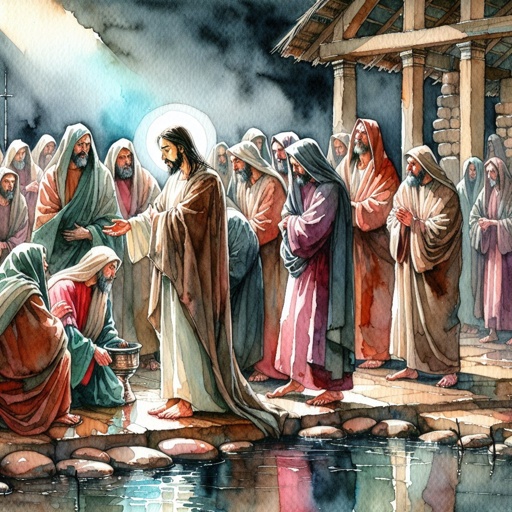
luke 22:42

Luke 22:42

Luke 16:22-26

Luke 22:62 - "And Peter went out, and wept bitterly."
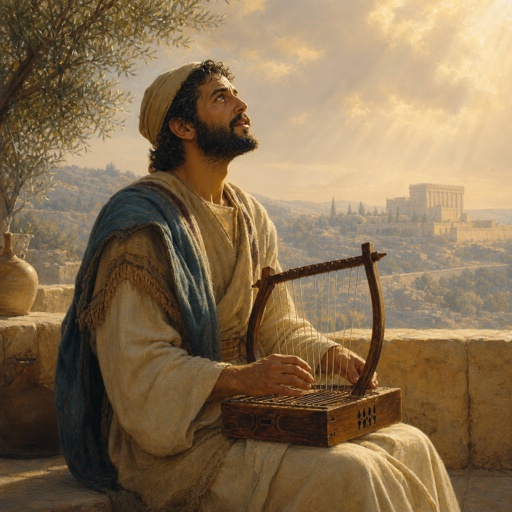
"I will also praise thee with the psaltery, even thy truth, O my God: unto thee will I sing with the harp, O thou Holy One of Israel." - Psalms 71:22
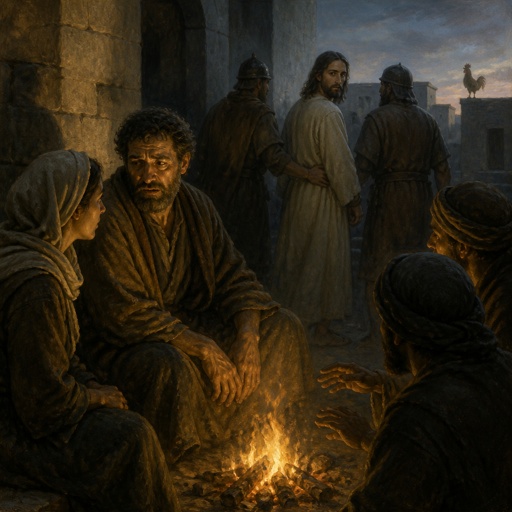
"Then seizing him, they led him away and took him into the house of the high priest. Peter followed at a distance. And when some there had kindled a fire in the middle of the courtyard and had sat down together, Peter sat down with them. A servant girl saw him seated there in the firelight. She looked closely at him and said, “This man was with him.” But he denied it. “Woman, I don’t know him,” he said. A little later someone else saw him and said, “You also are one of them.” “Man, I am not!” Peter replied. About an hour later another asserted, “Certainly this fellow was with him, for he is a Galilean.” Peter replied, “Man, I don’t know what you’re talking about!” Just as he was speaking, the rooster crowed. The Lord turned and looked at Peter. Then Peter remembered the word the Lord had spoken to him: “Before the rooster crows today, you will disown me three times.” And he went outside and wept bitterly. The men who were guarding Jesus began mocking and beating him. They blindfolded him and demanded, “Prophesy! Who hit you?” And they said many other insulting things to him. At daybreak the council of the elders of the people, both the chief priests and the teachers of the law, met together, and Jesus was led before them. “If you are the Messiah,” they said, “tell us.” Jesus answered, “If I tell you, you will not believe me, and if I asked you, you would not answer. But from now on, the Son of Man will be seated at the right hand of the mighty God.” They all asked, “Are you then the Son of God?” He replied, “You say that I am.” Then they said, “Why do we need any more testimony? We have heard it from his own lips.”" - Luke 22:54-71

"I will also praise thee with the psaltery, even thy truth, O my God: unto thee will I sing with the harp, O thou Holy One of Israel." - Psalms 71:22

Luke 20:22 - "Is it lawful for us to give tribute unto Caesar, or no?"

Luke 22:5 - "And they were glad, and covenanted to give him money."

Luke 22:28 - "Ye are they which have continued with me in my temptations."

Luke 22:63 - "¶ And the men that held Jesus mocked him, and smote him."

Luke 22:65 - "And many other things blasphemously spake they against him."

Luke 22:31-32 - "Luke 22:31-32: And the Lord said, Simon, Simon, behold, Satan hath desired to have you, that he may sift you as wheat: But I have prayed for thee, that thy faith fail not: and when thou art converted, strengthen thy brethren."

Luke 22:21 - "¶ But, behold, the hand of him that betrayeth me is with me on the table."

Luke 22:43 - "And there appeared an angel unto him from heaven, strengthening him."

Luke 22:3 - "¶ Then entered Satan into Judas surnamed Iscariot, being of the number of the twelve."

Luke 22:57 - "And he denied him, saying, Woman, I know him not."

Luke 22:7 - "¶ Then came the day of unleavened bread, when the passover must be killed."

Luke 21:22 - "For these be the days of vengeance, that all things which are written may be fulfilled."