What does Luke 22:9 mean?
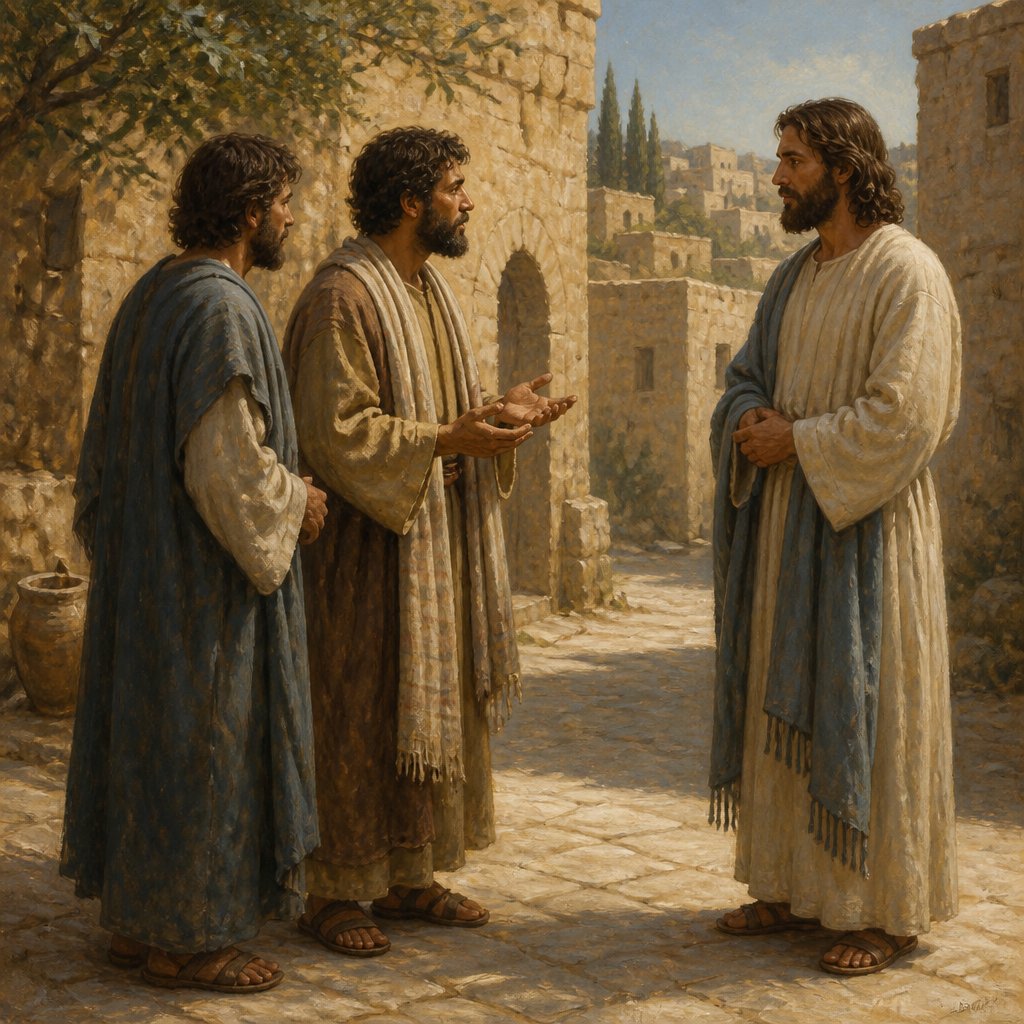
"And they said unto him, Where wilt thou that we prepare?" - Luke 22:9
The Bible verse Luke 22:9 in the King James Version (KJV) states: "Then came the day of unleavened bread, when the passover must be killed."
This verse is part of the larger narrative of the events leading up to Jesus' crucifixion and resurrection. In the preceding verses, Jesus instructs His disciples to prepare for the Passover meal, which marks the Jewish commemoration of their liberation from slavery in Egypt. The unleavened bread used in this meal symbolizes the haste with which the Israelites left Egypt, without having time to let their bread rise. The Passover lamb, which had to be killed and its blood spread on the doorposts, served as a sign of protection and deliverance from the angel of death.
In this verse, then, Jesus is emphasizing the significance of the Passover and highlighting the importance of the sacrifices to be made during this time. The reference to the "day of unleavened bread" and the "passover must be killed" points to the central role that the Passover lamb played in the observance of this festival. It signifies the impending sacrifice of Jesus Himself, who would become the ultimate Passover sacrifice for the forgiveness of sins and the deliverance of His people.
The themes presented in this verse are significant and multi-layered. Firstly, it emphasizes the importance of the Passover as a sacred tradition within the Jewish faith, highlighting the need for observance and remembrance of God's deliverance. This aligns with the theme of redemption and salvation, which is central to the Christian faith as well.
Secondly, the verse points to the impending sacrifice of Jesus on the cross, positioning Him as the sacrificial lamb whose blood would bring about the ultimate deliverance and liberation from sin and death. This theme of sacrificial atonement is foundational to Christian theology, as it underpins the belief in Jesus as the Lamb of God who takes away the sins of the world.
In addition, the verse also carries heavy symbolic significance. The "unleavened bread" represents purity and the absence of sin, reflecting the sinless nature of Jesus. The "Passover lamb" symbolizes both the innocent victim and the provider of salvation, foreshadowing the redemptive work of Christ through His death and resurrection. The act of killing the Passover lamb serves as a powerful symbol of the shedding of Jesus' blood for the remission of sins.
Furthermore, the context in which this verse is situated is crucial for understanding its full meaning. At this point in the narrative, Jesus is preparing to fulfill His mission and offer Himself as a sacrifice for the sins of humanity. As He institutes the Last Supper, He establishes the future observance of the Eucharist, where believers partake of bread and wine as symbols of His body and blood. These elements hold deep significance in Christian theology, representing the ongoing remembrance and participation in the redemptive work of Christ.
In conclusion, Luke 22:9 in the King James Version encapsulates profound themes of redemption, sacrifice, and deliverance. It foreshadows the central event of Christ's crucifixion and resurrection, pointing to the ultimate fulfillment of the Passover through His sacrificial death. The verse carries rich symbolic meaning and theological implications, underscoring the atoning work of Jesus and the hope of salvation for all who believe in Him.
Have questions about Luke 22:9?
Dive deeper into this scripture with Bible Chat — an AI-powered tool for exploring God's Word through conversation. Ask questions, get context, and grow in your understanding of the Bible.
Get Our Apps


Luke 22:9 Artwork

Luke 22:9 - "And they said unto him, Where wilt thou that we prepare?"
"And they said unto him, Where wilt thou that we prepare?" - Luke 22:9
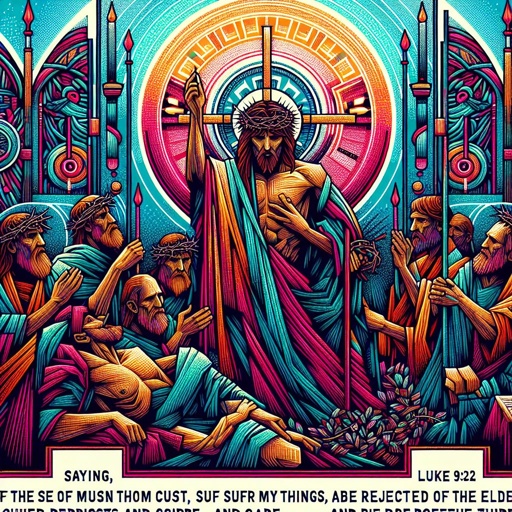
Luke 9:22 - "Saying, The Son of man must suffer many things, and be rejected of the elders and chief priests and scribes, and be slain, and be raised the third day."

luke 22:42

Luke 22:39

Luke 22:61,62

Luke 22:39

luke 22 44
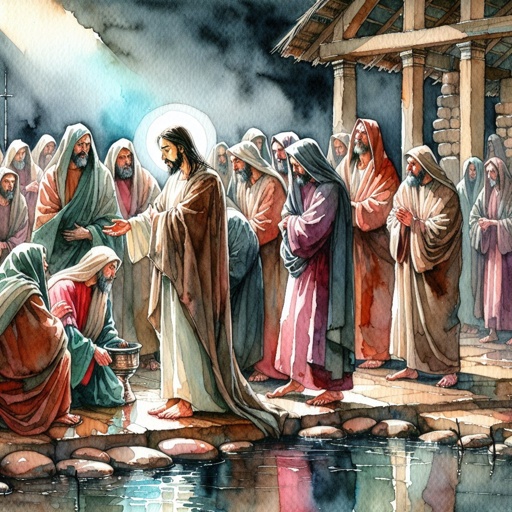
luke 22:42

Luke 22:42

Luke 16:22-26
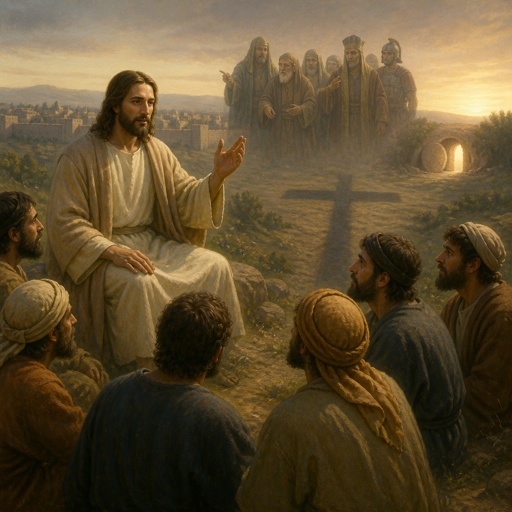
"Saying, The Son of man must suffer many things, and be rejected of the elders and chief priests and scribes, and be slain, and be raised the third day." - Luke 9:22

Luke 22:62 - "And Peter went out, and wept bitterly."

Matthew 9:21-22

Matthew 9:21-22

Matthew 9:21-22

Matthew 9:21-22

Matthew 9:21-22
Luke 11:9

luke 9:30

luke 9:35

luke 9:35

Luke 20:22 - "Is it lawful for us to give tribute unto Caesar, or no?"

Luke 22:5 - "And they were glad, and covenanted to give him money."

Luke 9:51

Luke 11:9

Luke 22:28 - "Ye are they which have continued with me in my temptations."

Luke 22:63 - "¶ And the men that held Jesus mocked him, and smote him."

Luke 22:65 - "And many other things blasphemously spake they against him."

Luke 22:31-32 - "Luke 22:31-32: And the Lord said, Simon, Simon, behold, Satan hath desired to have you, that he may sift you as wheat: But I have prayed for thee, that thy faith fail not: and when thou art converted, strengthen thy brethren."