What does Luke 23:30 mean?
“Then shall they begin to say to the mountains, Fall on us; and to the hills, Cover us.” — Luke 23:30
Luke 23:30 in the King James Version of the Bible states, "Then shall they begin to say to the mountains, Fall on us; and to the hills, Cover us." This verse is part of Jesus' words to the women who were mourning and lamenting for Him as He was on His way to be crucified.
To understand the deeper meaning and significance of this verse, it is important to consider the context in which it was spoken. Jesus had been on His way to be crucified after being condemned by the Jewish authorities and then by the Roman governor, Pontius Pilate. As He was being led to His crucifixion, a large crowd of people followed Him, including many women who were mourning and lamenting for Him. In response to their mourning, Jesus turned to them and said, "Daughters of Jerusalem, weep not for me, but weep for yourselves, and for your children. For, behold, the days are coming, in the which they shall say, Blessed are the barren, and the wombs that never bare, and the paps which never gave suck. Then shall they begin to say to the mountains, Fall on us; and to the hills, Cover us."
The imagery of people calling for the mountains to fall on them and the hills to cover them is a powerful and apocalyptic expression of desperation and despair. It conveys a sense of hopelessness and utter devastation. This imagery is used elsewhere in the Bible to describe the end times and the day of judgment, such as in the Book of Revelation and in the prophecies of the Old Testament.
In the context of Jesus' words, the reference to the mountains and hills symbolizes the desire of people to escape the impending judgment and wrath that will come upon them. They would rather have the mountains and hills fall on them and cover them than face the judgment that is to come. This reflects the fear and desperation that people will experience in the face of God's righteous judgment and the consequences of their sin.
The themes of judgment, despair, and the consequences of sin are central to the message of this verse. Jesus' words serve as a warning to the people, urging them to turn away from their sinful ways and seek forgiveness and reconciliation with God. The imagery of the mountains falling on them and the hills covering them is a powerful depiction of the finality and severity of God's judgment, and the urgent need for repentance and redemption.
In a broader sense, this verse also speaks to the universal human experience of facing the consequences of our actions. It reminds us of the need to take responsibility for our choices and to seek reconciliation with God and others. It also points to the reality of judgment and the importance of preparing for the day when we will all stand before God to give an account of our lives.
In conclusion, Luke 23:30 in the King James Version of the Bible conveys a powerful message about the consequences of sin, the urgency of repentance, and the reality of judgment. It serves as a solemn warning to all people to seek forgiveness and reconciliation with God and to turn away from their sinful ways. The imagery of the mountains falling on people and the hills covering them is a vivid and poignant expression of the desperation and despair that will accompany the day of judgment. This verse reminds us of the need to take our spiritual lives seriously and to seek God's mercy and grace while there is still time.
Get our apps


Artwork for Luke 23:30

Luke 23:30 - "Then shall they begin to say to the mountains, Fall on us; and to the hills, Cover us."

"Then shall they begin to say to the mountains, Fall on us; and to the hills, Cover us." - Luke 23:30

Numbers 23:30

Luke 1:30

luke 9:30

luke 6:30

Daniel 2:30-23

luke 9:29- 30

african american luke 10:30

2 Samuel 23:30 - "Benaiah the Pirathonite, Hiddai of the brooks of Gaash,"

Luke 14:30 - "Saying, This man began to build, and was not able to finish."

Luke 2:30 - "For mine eyes have seen thy salvation,"

Luke 23:53

Luke 19:23

luke 11:23

Luke 19:23

Proverbs 23:30 - "They that tarry long at the wine; they that go to seek mixed wine."

luke 11:23
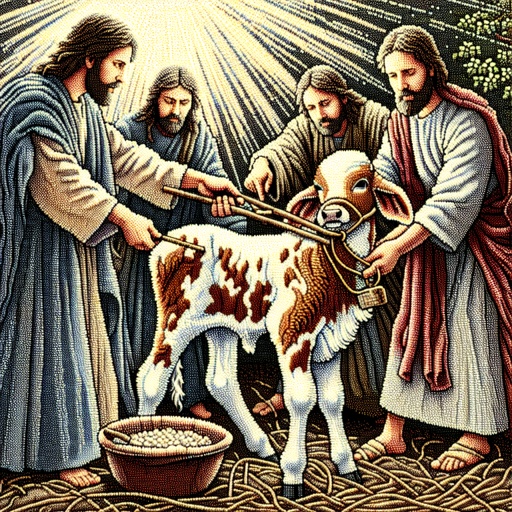
Luke 15:23

luke 11:23

luke 11:23
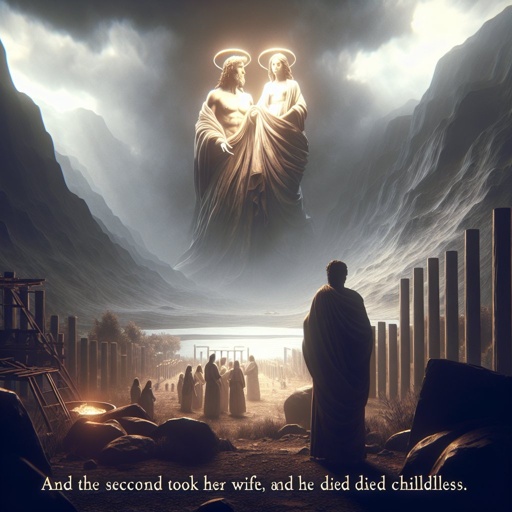
Luke 20:30 - "And the second took her to wife, and he died childless."

Luke 1:30 Gabriel visits Mary

Luke 17:30 - "Even thus shall it be in the day when the Son of man is revealed."

Luke 4:30 - "But he passing through the midst of them went his way,"

Luke 13:30 - "And, behold, there are last which shall be first, and there are first which shall be last."

Luke 9:30 - "And, behold, there talked with him two men, which were Moses and Elias:"

Luke 23:54 - "And that day was the preparation, and the sabbath drew on."

1 Chronicles 23:30 - "And to stand every morning to thank and praise the LORD, and likewise at even;"

Ezekiel 30:23 - "And I will scatter the Egyptians among the nations, and will disperse them through the countries."