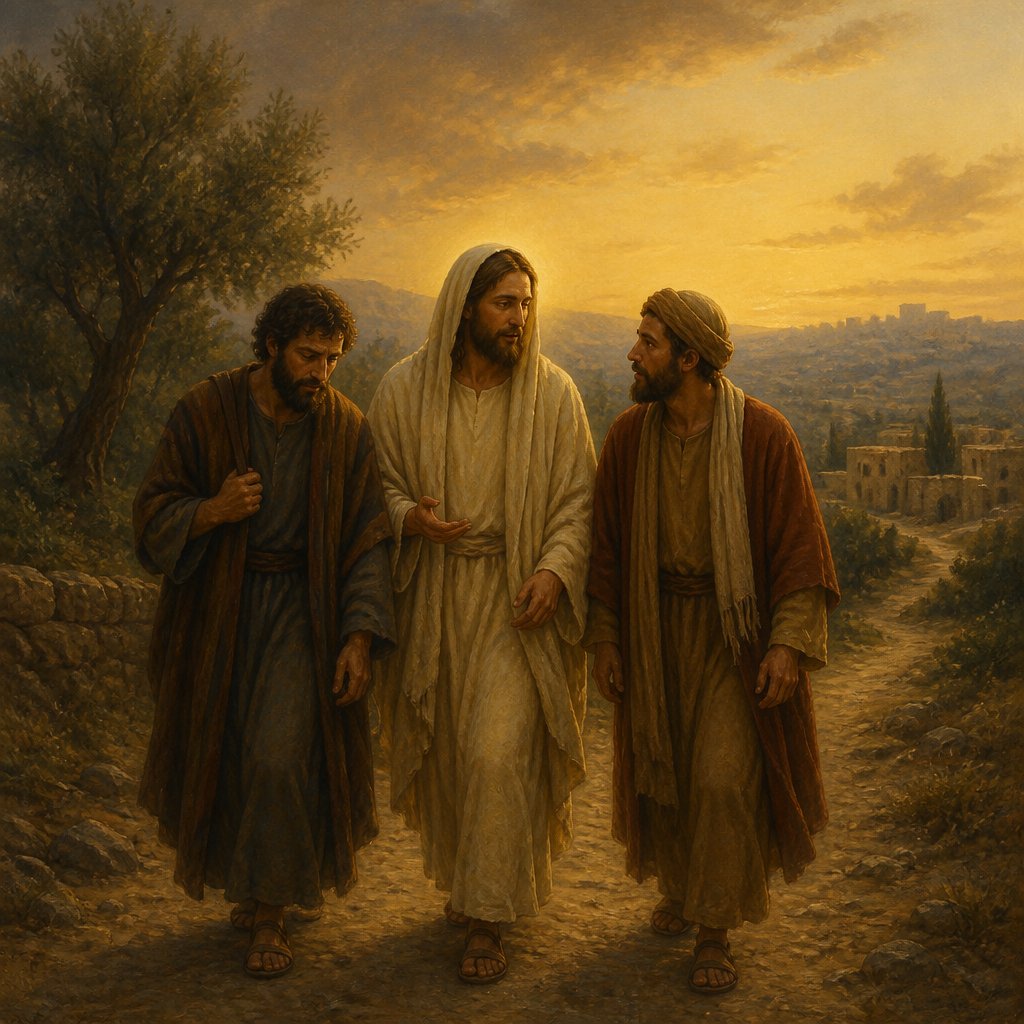
Luke 24:13-32 in the King James Version (KJV) of the Bible recounts the story of Jesus appearing to two of his disciples on the road to Emmaus after his resurrection. This passage is rich with symbolism and themes that speak to the faith and perseverance of Jesus’ followers.
The story begins with two disciples, Cleopas and another disciple, walking from Jerusalem to Emmaus, a village about seven miles away. While they are walking, they are discussing the recent events in Jerusalem, particularly the crucifixion of Jesus and the rumors of his resurrection. As they are talking, Jesus himself comes and walks with them, but they do not recognize him.
This lack of recognition is a key theme in this passage, as it speaks to the disciples’ inability to see Jesus for who he truly is. This blindness is symbolic of the spiritual blindness that can often afflict believers, causing them to miss the presence and work of Jesus in their lives. It is also symbolic of the fact that Jesus often reveals himself to his followers in unexpected ways.
As they walk, Jesus asks the disciples what they are discussing, and they express their disbelief in the reports of Jesus’ resurrection. They recount the events of Jesus’ life and death, and their disappointment that their “hopes had been dashed” (Luke 24:21, KJV). Jesus then rebukes them, saying, “Ought not Christ to have suffered these things, and to enter into his glory?” (Luke 24:26, KJV). Here, Jesus uses the Old Testament scriptures to explain to them the necessity of his suffering and resurrection, teaching them that these events were foretold and essential to the fulfillment of God’s plan.
This conversation between Jesus and the disciples is a reminder of the importance of understanding and interpreting the scriptures in light of the person and work of Jesus. It also speaks to the need for believers to have a proper understanding of the suffering and glory of Christ, as these are central elements of the Christian faith.
Continuing on their journey, the disciples invite Jesus to stay with them, and as they sit down to eat, Jesus takes bread, blesses it, breaks it, and gives it to them. It is in this act of breaking bread that the disciples’ eyes are opened, and they recognize Jesus. This act of breaking bread is highly symbolic, as it echoes the Last Supper and the institution of the Eucharist. It also speaks to the fact that Jesus is revealed to his followers in the breaking of bread, a practice that has been central to Christian worship since the earliest days of the church.
After their eyes are opened, Jesus disappears from their sight, and the disciples realize that their hearts had burned within them as Jesus had opened the scriptures to them on the road. They immediately return to Jerusalem to share the news of Jesus’ resurrection with the other disciples.
This passage is rich with themes of faith, spiritual blindness, the importance of understanding the scriptures in light of Jesus, and the revelation of Jesus in the breaking of bread. It also serves as a reminder of the ways in which Jesus reveals himself to his followers and the importance of sharing the good news of his resurrection with others.
Overall, Luke 24:13-32 is a powerful and transformative passage that continues to speak to the hearts of believers today. It encourages us to open our hearts and minds to the presence and work of Jesus in our lives, to seek a deeper understanding of the scriptures in light of his person and work, and to share the good news of his resurrection with the world.
Get our apps


Artwork for Luke 24:13-32

Luke 24:13-32 - "Now that same day two of them were going to a village called Emmaus, about seven miles from Jerusalem. They were talking with each other about everything that had happened. As they talked and discussed these things with each other, Jesus himself came up and walked along with them; but they were kept from recognizing him. He asked them, “What are you discussing together as you walk along?” They stood still, their faces downcast. One of them, named Cleopas, asked him, “Are you the only one visiting Jerusalem who does not know the things that have happened there in these days?” “What things?” he asked. “About Jesus of Nazareth,” they replied. “He was a prophet, powerful in word and deed before God and all the people. The chief priests and our rulers handed him over to be sentenced to death, and they crucified him; but we had hoped that he was the one who was going to redeem Israel. And what is more, it is the third day since all this took place. In addition, some of our women amazed us. They went to the tomb early this morning but didn’t find his body. They came and told us that they had seen a vision of angels, who said he was alive. Then some of our companions went to the tomb and found it just as the women had said, but they did not see Jesus.” He said to them, “How foolish you are, and how slow to believe all that the prophets have spoken! Did not the Messiah have to suffer these things and then enter his glory?” And beginning with Moses and all the Prophets, he explained to them what was said in all the Scriptures concerning himself. As they approached the village to which they were going, Jesus continued on as if he were going farther. But they urged him strongly, “Stay with us, for it is nearly evening; the day is almost over.” So he went in to stay with them. When he was at the table with them, he took bread, gave thanks, broke it and began to give it to them. Then their eyes were opened and they recognized him, and he disappeared from their sight. They asked each other, “Were not our hearts burning within us while he talked with us on the road and opened the Scriptures to us?”"

Luke 24:13-32 - "Now that same day two of them were going to a village called Emmaus, about seven miles from Jerusalem. They were talking with each other about everything that had happened. As they talked and discussed these things with each other, Jesus himself came up and walked along with them; but they were kept from recognizing him. He asked them, “What are you discussing together as you walk along?” They stood still, their faces downcast. One of them, named Cleopas, asked him, “Are you the only one visiting Jerusalem who does not know the things that have happened there in these days?” “What things?” he asked. “About Jesus of Nazareth,” they replied. “He was a prophet, powerful in word and deed before God and all the people. The chief priests and our rulers handed him over to be sentenced to death, and they crucified him; but we had hoped that he was the one who was going to redeem Israel. And what is more, it is the third day since all this took place. In addition, some of our women amazed us. They went to the tomb early this morning but didn’t find his body. They came and told us that they had seen a vision of angels, who said he was alive. Then some of our companions went to the tomb and found it just as the women had said, but they did not see Jesus.” He said to them, “How foolish you are, and how slow to believe all that the prophets have spoken! Did not the Messiah have to suffer these things and then enter his glory?” And beginning with Moses and all the Prophets, he explained to them what was said in all the Scriptures concerning himself. As they approached the village to which they were going, Jesus continued on as if he were going farther. But they urged him strongly, “Stay with us, for it is nearly evening; the day is almost over.” So he went in to stay with them. When he was at the table with them, he took bread, gave thanks, broke it and began to give it to them. Then their eyes were opened and they recognized him, and he disappeared from their sight. They asked each other, “Were not our hearts burning within us while he talked with us on the road and opened the Scriptures to us?”"
"Now that same day two of them were going to a village called Emmaus, about seven miles from Jerusalem. They were talking with each other about everything that had happened. As they talked and discussed these things with each other, Jesus himself came up and walked along with them; but they were kept from recognizing him. He asked them, “What are you discussing together as you walk along?” They stood still, their faces downcast. One of them, named Cleopas, asked him, “Are you the only one visiting Jerusalem who does not know the things that have happened there in these days?” “What things?” he asked. “About Jesus of Nazareth,” they replied. “He was a prophet, powerful in word and deed before God and all the people. The chief priests and our rulers handed him over to be sentenced to death, and they crucified him; but we had hoped that he was the one who was going to redeem Israel. And what is more, it is the third day since all this took place. In addition, some of our women amazed us. They went to the tomb early this morning but didn’t find his body. They came and told us that they had seen a vision of angels, who said he was alive. Then some of our companions went to the tomb and found it just as the women had said, but they did not see Jesus.” He said to them, “How foolish you are, and how slow to believe all that the prophets have spoken! Did not the Messiah have to suffer these things and then enter his glory?” And beginning with Moses and all the Prophets, he explained to them what was said in all the Scriptures concerning himself. As they approached the village to which they were going, Jesus continued on as if he were going farther. But they urged him strongly, “Stay with us, for it is nearly evening; the day is almost over.” So he went in to stay with them. When he was at the table with them, he took bread, gave thanks, broke it and began to give it to them. Then their eyes were opened and they recognized him, and he disappeared from their sight. They asked each other, “Were not our hearts burning within us while he talked with us on the road and opened the Scriptures to us?”" - Luke 24:13-32

Luke 13:24

Luke 24:13-35

Luke 24:32 - "And they said one to another, Did not our heart burn within us, while he talked with us by the way, and while he opened to us the scriptures?"

Luke 13:24 - "¶ Strive to enter in at the strait gate: for many, I say unto you, will seek to enter in, and shall not be able."

Luke 24:13 - "¶ And, behold, two of them went that same day to a village called Emmaus, which was from Jerusalem about threescore furlongs."

Luke 13:32 - "And he said unto them, Go ye, and tell that fox, Behold, I cast out devils, and I do cures to day and to morrow, and the third day I shall be perfected."

Gen 32:24

Genesis 24-32

Gen 32:24

Luke 1:32

Luke 1:32

Luke 1:32

Luke 1:32

Luke 1:32
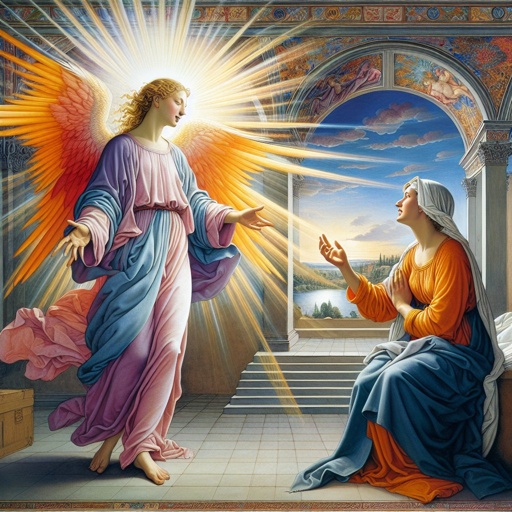
Luke 1:32

Luke 1:32

Luke 17:32 - "Remember Lot's wife."

Luke 17:32-37

Luke 15:11-32

Luke 24:13 - "¶ And, behold, two of them went that same day to a village called Emmaus, which was from Jerusalem about threescore furlongs."

Luke 24:13 - "¶ And, behold, two of them went that same day to a village called Emmaus, which was from Jerusalem about threescore furlongs."

Luke 20:32 - "Last of all the woman died also."

Luke 5:32 - "I came not to call the righteous, but sinners to repentance."

Luke 22:31-32 - "Luke 22:31-32: And the Lord said, Simon, Simon, behold, Satan hath desired to have you, that he may sift you as wheat: But I have prayed for thee, that thy faith fail not: and when thou art converted, strengthen thy brethren."

Luke 2:32 - "A light to lighten the Gentiles, and the glory of thy people Israel."

Luke 4:32 - "And they were astonished at his doctrine: for his word was with power."
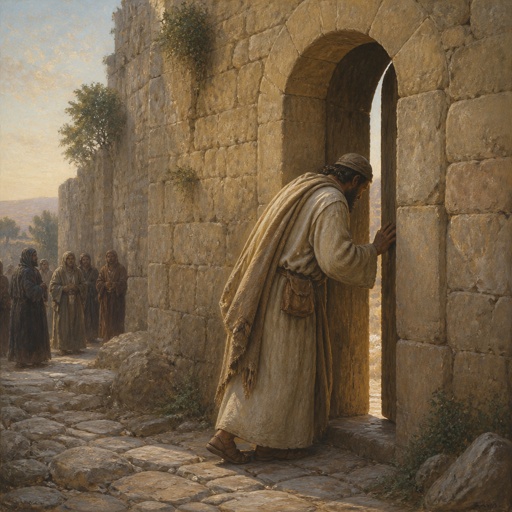
"¶ Strive to enter in at the strait gate: for many, I say unto you, will seek to enter in, and shall not be able." - Luke 13:24