What does Luke 24:18 mean?
“And the one of them, whose name was Cleopas, answering said unto him, Art thou only a stranger in Jerusalem, and hast not known the things which are come to pass there in these days?” — Luke 24:18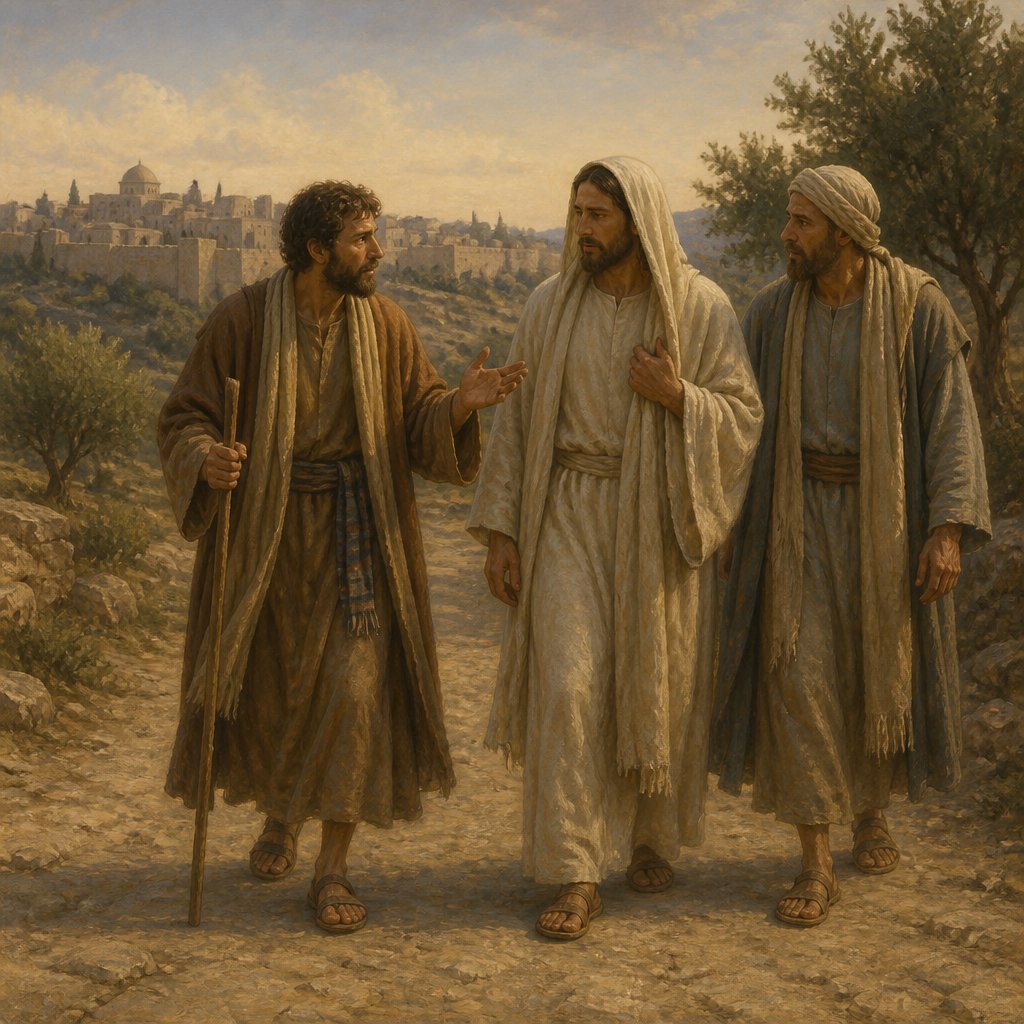
Luke 24:18 (KJV) "And the one of them, whose name was Cleopas, answering said unto him, Art thou only a stranger in Jerusalem, and hast not known the things which are come to pass there in these days?"
In this verse, we find Cleopas, one of the two disciples who were on the road to Emmaus, engaged in a conversation with a stranger. This stranger was none other than Jesus himself, although the disciples did not recognize him at first. This encounter takes place on the day of Jesus's resurrection, and it serves as a pivotal moment in the gospel narrative.
The setting of this verse is particularly significant. The disciples were walking from Jerusalem to Emmaus, a distance of about seven miles. This journey serves as a metaphor for the struggles and confusion that the disciples were facing in the aftermath of Jesus's crucifixion. They were walking away from the epicenter of the events that had just unfolded, feeling disillusioned and disheartened.
Cleopas's question to the stranger, "Art thou only a stranger in Jerusalem, and hast not known the things which are come to pass there in these days?" reflects the disciples' incredulity at the ignorance of this stranger, who, unbeknownst to them, was actually Jesus. They were astonished that this man seemed unaware of the significant events that had taken place in Jerusalem regarding the crucifixion and reports of Jesus's resurrection.
This verse captures the theme of spiritual blindness and the inability to recognize Jesus when he is in our midst. The disciples had walked and talked with Jesus for years, yet they failed to recognize him in this moment. This lack of recognition serves as a metaphor for the struggles of faith and the human tendency to doubt, even when confronted with the miraculous.
The concept of spiritual blindness is one that resonates throughout the Bible. In 2 Corinthians 4:4, Paul speaks of "the god of this world [who] hath blinded the minds of them which believe not, lest the light of the glorious gospel of Christ, who is the image of God, should shine unto them." This verse emphasizes the spiritual battle that takes place in the hearts and minds of unbelievers, which can cloud their ability to see and understand the truth of the gospel.
The encounter on the road to Emmaus also serves as a reminder of the importance of faith and belief. The disciples were initially skeptical of the reports of Jesus's resurrection, and they struggled to comprehend the significance of these events. This reflects the reality of doubt and disbelief that can hinder our ability to fully understand and embrace the truths of the Christian faith.
However, as the story continues, we see that Jesus graciously reveals himself to the disciples, opening their eyes to the reality of his resurrection. This act of revelation underscores the transformative power of faith and the ability of Jesus to dispel spiritual blindness.
The symbolism in this verse is powerful and multi-faceted. The road to Emmaus represents the journey of faith, with its twists and turns, doubts and uncertainties. The stranger's unrecognized identity as Jesus speaks to the idea that God often works in ways that are unexpected and unseen. It also serves as a reminder that our spiritual eyes must be opened to truly perceive and understand the presence of Christ in our lives.
In conclusion, Luke 24:18 encapsulates the themes of spiritual blindness, doubt, and revelation that are central to the Christian faith. The encounter on the road to Emmaus serves as a poignant illustration of the struggles and triumphs of faith, as well as the transformative power of encountering the risen Christ. This verse challenges us to examine our own spiritual vision and to seek a deeper understanding of the profound truths of the gospel.
Get our apps


Artwork for Luke 24:18

Luke 24:18 - "And the one of them, whose name was Cleopas, answering said unto him, Art thou only a stranger in Jerusalem, and hast not known the things which are come to pass there in these days?"
"And the one of them, whose name was Cleopas, answering said unto him, Art thou only a stranger in Jerusalem, and hast not known the things which are come to pass there in these days?" - Luke 24:18

Luke 18:24 - "And when Jesus saw that he was very sorrowful, he said, How hardly shall they that have riches enter into the kingdom of God!"

Luke 24:1

Luke 24:35

Luke 24:42

Luke 21:24

Luke 13:24

luke 24:17

Luke 10:18-19

Luke 13:18-19

Luke 10:18-19

Luke 10:18-19

Luke 13:18-19

Luke 24:8 - "And they remembered his words,"

Luke 10:18-19

Luke 10:18-19

Luke 10:18-19

Luke 24:13-35

LUKE 24:41-43
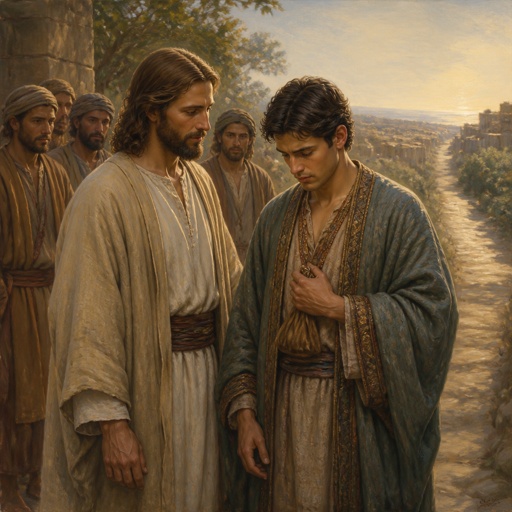
"And when Jesus saw that he was very sorrowful, he said, How hardly shall they that have riches enter into the kingdom of God!" - Luke 18:24

Luke 24:48 - "And ye are witnesses of these things."

Genesis 24-18

Genesis 18-24

Luke 4:18

Luke 4:18

Luke 24:24 - "And certain of them which were with us went to the sepulchre, and found it even so as the women had said: but him they saw not."

Luke 24:3 - "And they entered in, and found not the body of the Lord Jesus."

Luke 23:24 - "And Pilate gave sentence that it should be as they required."

Luke 24:45 - "Then opened he their understanding, that they might understand the scriptures,"