What does Luke 24:5-6 mean?
“And as they were afraid, and bowed down their faces to the earth, they said unto them, Why seek ye the living among the dead? He is not here, but is risen: remember how he spake unto you when he was yet in Galilee,” — Luke 24:5-6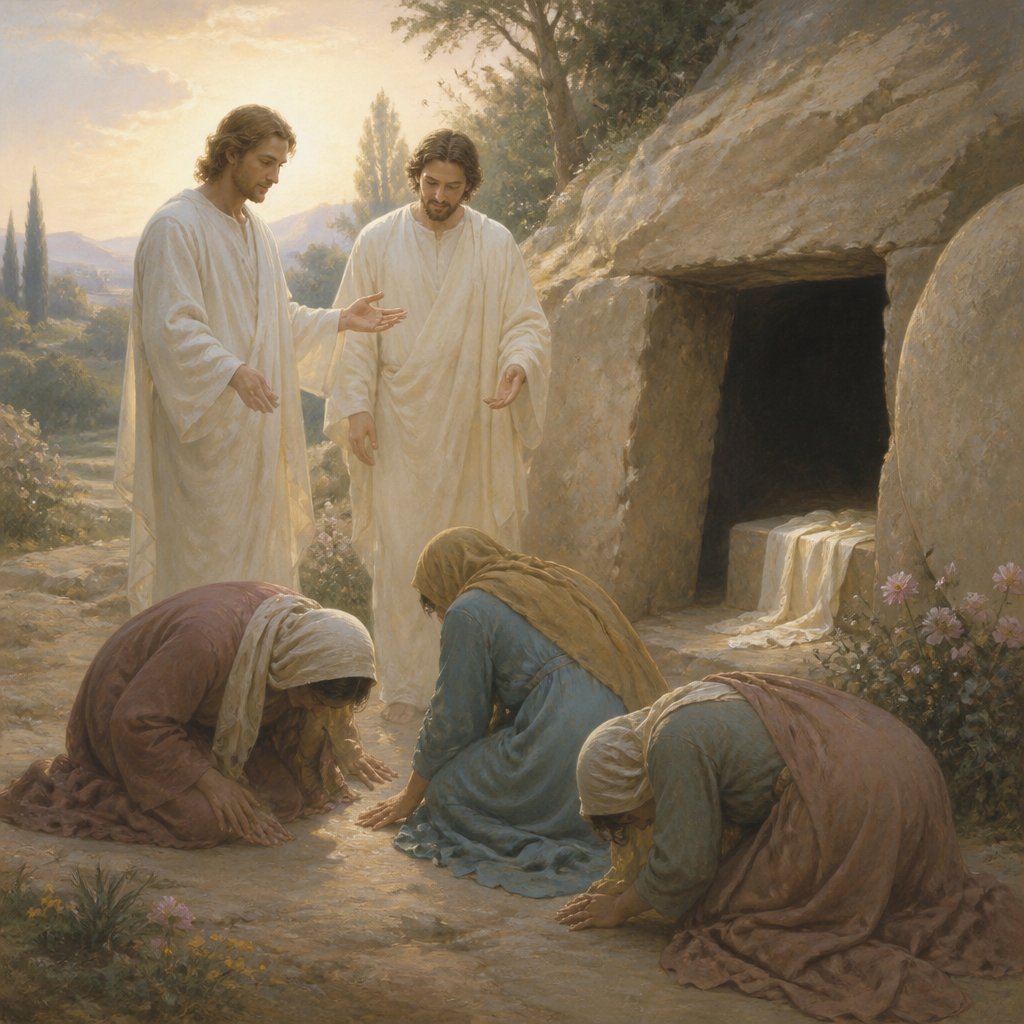
Luke 24:5–6 in the KJV reads, “And as they were afraid, and bowed down their faces to the earth, they said unto them, Why seek ye the living among the dead? He is not here, but is risen: remember how he spake unto you when he was yet in Galilee.” These words are spoken at the sepulchre on the first day of the week, after the crucifixion, when certain women come with spices to anoint the body of Jesus and find the stone rolled away and the body gone. In that setting the passage functions as heaven’s interpretation of the empty tomb. It is not merely that the grave is empty; it is that God is announcing what the emptiness means. The question and the proclamation together turn the women’s grief and confusion into understanding: the one they came to treat as a corpse must now be sought as the living Lord.
The immediate context is marked by fear and reverence: “they were afraid, and bowed down their faces to the earth.” Their posture expresses both terror at the sudden, supernatural interruption of their expectations and the instinctive humility of creatures in the presence of divine messengers. The verse captures a moment where human assumptions collide with God’s act. They came expecting death to have the final word, expecting devotion to take the form of embalming and mourning, expecting Jesus to be located where the dead are kept. Their bowed faces show how inadequate those expectations are in the presence of resurrection reality.
The angelic question, “Why seek ye the living among the dead?” is a rebuke, but it is a merciful one. It exposes the mismatch between what they are doing and who Jesus is. They are seeking the right person in the wrong realm. The wording is symbolic: “the living” stands for Jesus not only as one who has returned to life, but as the one who belongs to life by right, the one whose life cannot be contained by death. “Among the dead” points to the tomb and everything associated with death—finality, corruption, the shutting in of hope. The question presses the reader to see that Jesus cannot be correctly understood if he is approached as though his story ends where other stories end. It also touches a larger theme in Luke: God overturns human categories and expectations. What seems like defeat becomes victory; what seems like the end becomes the beginning.
Then comes the central proclamation: “He is not here, but is risen.” The empty tomb is interpreted not as theft, mistake, or mystery, but as resurrection. The phrase is brief and absolute. “He is not here” declares the inadequacy of the grave as a place to find him. “But is risen” declares the decisive act of God. In KJV diction the passive form points beyond Jesus as merely self-rescued and toward the divine vindication implied in resurrection: the crucified one is raised, and therefore confirmed. This matters in Luke’s narrative because it answers the shame and apparent failure of the cross with God’s public reversal. The resurrection does not erase the crucifixion; it reveals its meaning and establishes that death did not win.
The call that follows, “remember how he spake unto you when he was yet in Galilee,” ties the resurrection to Jesus’ own words and to the reliability of his teaching. The angels do not offer a new doctrine; they direct the women back to what Jesus already “spake.” The resurrection is presented as fulfillment, not improvisation. Galilee is mentioned to anchor the disciples’ faith in the history of their lived experience with him. It recalls the earlier period of ministry, when he taught openly and prepared them for what would happen. The theme here is remembrance as a pathway to faith. In Luke, forgetting leads to misunderstanding, but remembering the words of Christ reorients the heart. The empty tomb is meant to awaken memory, and memory is meant to confirm hope.
Symbolically, the women’s spices represent sincere love and devotion, but also devotion still operating under the assumption that Jesus remains under death’s power. Their intention is honorable, yet it highlights how even faithful followers can be slow to grasp the necessity and certainty of what Jesus foretold. The rolled-away stone and the absence of the body become signs that God has acted. Yet Luke 24:5–6 emphasizes that signs require interpretation. Without the heavenly word, the empty tomb could be read many ways. The angels’ message provides the true reading: Jesus belongs to the living, and his rising is the hinge of everything that follows.
The significance of these verses, therefore, is that they announce the resurrection as the decisive turning point and insist that the proper response is not merely amazement but remembrance and reorientation. They redirect the seeker: do not look for Christ as though he were only a memory, a martyr, or a dead teacher preserved by ritual; look for him as living. The question “Why seek ye the living among the dead?” continues to echo beyond the scene as a spiritual challenge. It confronts every attempt to confine Jesus to the categories of death—mere past, mere tomb, mere relic—and calls the reader to receive him as present and risen. In Luke’s account this proclamation becomes the foundation for the joy, witness, and understanding that follow, because the gospel is not simply that Jesus died, but that “He is not here, but is risen.”
Get our apps


Artwork for Luke 24:5-6

Luke 24:5-6 - "In their fright the women bowed down with their faces to the ground, but the men said to them, "Why do you look for the living among the dead? He is not here; he has risen! Remember how he told you, while he was still with you in Galilee."
!["And as they were afraid, and bowed down [their] faces to the earth, they said unto them, Why seek ye the living among the dead?
He is not here, but is risen: remember how he spake unto you when he was yet in Galilee," - Luke 24:5-6](https://media.bible.art/f76f323e-74c8-4f65-8141-5ce054a38a59-thumbnail.jpg)
"And as they were afraid, and bowed down [their] faces to the earth, they said unto them, Why seek ye the living among the dead? He is not here, but is risen: remember how he spake unto you when he was yet in Galilee," - Luke 24:5-6
"In their fright the women bowed down with their faces to the ground, but the men said to them, "Why do you look for the living among the dead? He is not here; he has risen! Remember how he told you, while he was still with you in Galilee." - Luke 24:5-6

Luke 6:24 - "But woe unto you that are rich! for ye have received your consolation."

What does Luke 24:6-7 mean? "He is not here, but is risen: remember how he spake unto you when he was yet in Galilee, Saying, The Son of man must be delivered into the hands of sinful men, and be crucified, and the third day rise again." - Luke 24:6-7

Luke 24:6 - "He is not here, but is risen: remember how he spake unto you when he was yet in Galilee,"

Luke 5:6 - "And when they had this done, they inclosed a great multitude of fishes: and their net brake."

Luke 6:5 - "And he said unto them, That the Son of man is Lord also of the sabbath."

Luke 24:5 - "And as they were afraid, and bowed down their faces to the earth, they said unto them, Why seek ye the living among the dead?"
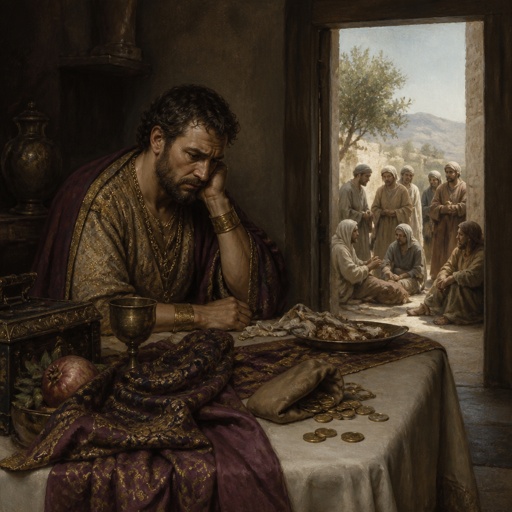
"But woe unto you that are rich! for ye have received your consolation." - Luke 6:24

Luke 5:4-6 – "When he had finished speaking, he said to Simon, 'Put out into deep water, and let down the nets for a catch.'"

Proverbs 24:5-6 - "A wise man is strong; yea, a man of knowledge increaseth strength. For by wise counsel thou shalt make thy war: and in multitude of counsellors there is safety."

"And he said unto them, That the Son of man is Lord also of the sabbath." - Luke 6:5

"And when they had this done, they inclosed a great multitude of fishes: and their net brake." - Luke 5:6

Luke 5:24 - "But that ye may know that the Son of man hath power upon earth to forgive sins, (he said unto the sick of the palsy,) I say unto thee, Arise, and take up thy couch, and go into thine house."

Luke 24:6-7 - "He is not here; he has risen! Remember how he told you, while he was still with you in Galilee: ‘The Son of Man must be delivered over to the hands of sinners, be crucified and on the third day be raised again."

Luke 24:1

Luke 24:35

Luke 24:42

Luke 21:24

Luke 13:24

luke 24:17
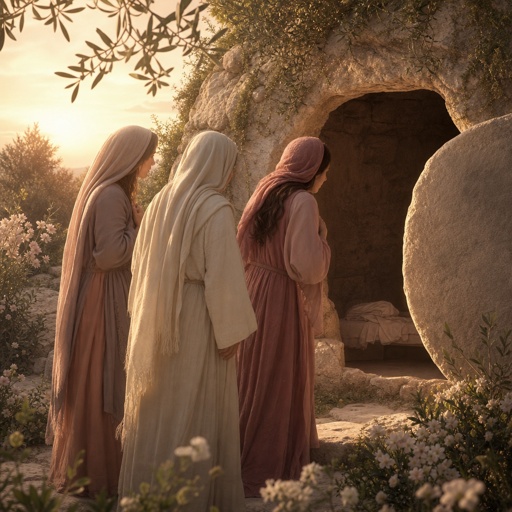
"He is not here, but is risen: remember how he spake unto you when he was yet in Galilee," - Luke 24:6
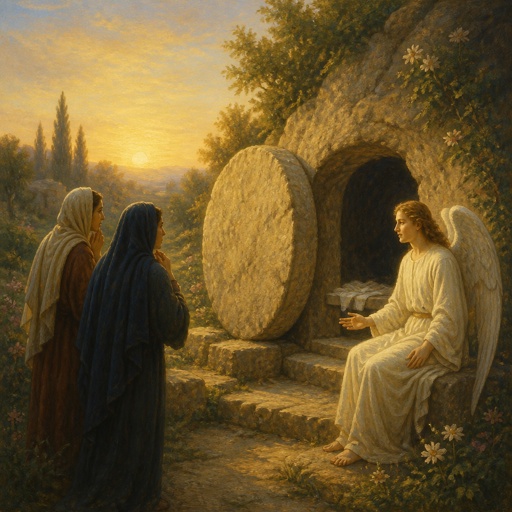
"He is not here, but is risen: remember how he spake unto you when he was yet in Galilee," - Luke 24:6
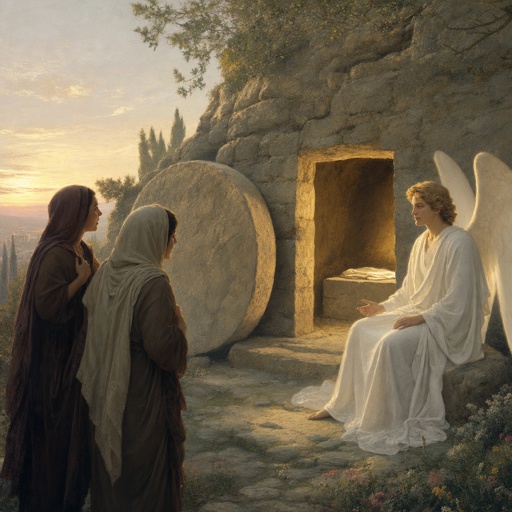
"He is not here, but is risen: remember how he spake unto you when he was yet in Galilee," - Luke 24:6

Luke 24:8 - "And they remembered his words,"

Luke 24:13-35

LUKE 24:41-43

Luke 24:48 - "And ye are witnesses of these things."

luke 5:5