What does Luke 24:6 mean?
“He is not here, but is risen: remember how he spake unto you when he was yet in Galilee,” — Luke 24:6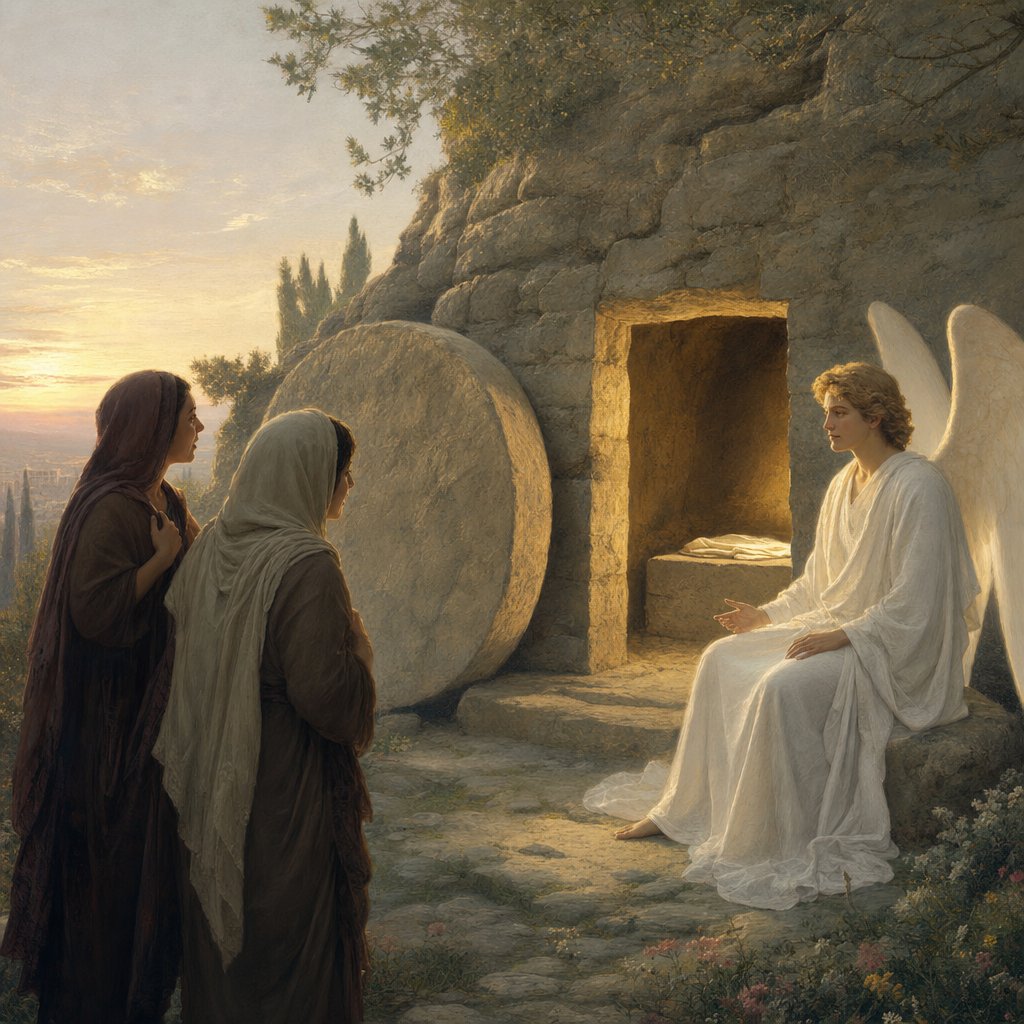
Luke 24:6 in the King James Version reads, “He is not here, but is risen: remember how he spake unto you when he was yet in Galilee.” In its plain sense the verse is the angelic announcement that Jesus is no longer in the tomb because God has raised him from the dead. Yet its weight lies in how it joins a fact in history to the demand for faith, and how it turns the empty grave into a summons to remembrance, understanding, and witness.
The immediate context is the early morning visit to the sepulchre. Luke has just described the women coming with spices, expecting to complete burial rites, only to find the stone rolled away and the body missing. Their love is sincere, but their expectation is still shaped by death. Into that confusion appear “two men…in shining garments” who interpret what they are seeing. Luke 24:6 is not a speculative explanation but a divine interpretation: the emptiness is not theft, not mistake, not mere absence; it is resurrection. The words “He is not here” acknowledge the reality of what the women see, while “but is risen” declares the reality they cannot yet grasp. The verse therefore functions like a hinge: it turns grief into gospel, and bewilderment into meaning.
The phrase “but is risen” speaks to the central theme of Luke’s ending: God’s vindication of Jesus and the triumph of God’s purpose over human judgment. Luke has shown Jesus condemned, mocked, and crucified, treated as powerless and defeated. Resurrection reverses that verdict. It is God’s answer to the cross, not by erasing the suffering but by declaring that the Crucified One lives. In Luke’s theology, this means Jesus is not merely a teacher whose memory survives; he is the living Lord whose life cannot be contained by a tomb. The resurrection is not presented as a metaphor for hope, but as the decisive act of God in time and place, so that the empty sepulchre becomes a sign that death’s claim has been broken.
The verse also carries the theme of fulfilled words. “Remember how he spake unto you” shifts the focus from what the women expected to what Jesus had already promised. The angels do not simply announce a miracle; they call the disciples back to Jesus’ own speech. Luke regularly portrays Jesus as one who foretells his suffering and resurrection, and here the resurrection is framed as the confirmation of his truthfulness. To “remember” in this biblical sense is more than recalling information. It is the recovery of meaning that was once heard but not yet understood, and the re-alignment of faith with what God has said. The command to remember implies that their present fear and confusion come, at least in part, from forgetfulness or incomprehension of Christ’s teaching. The resurrection therefore restores not only Jesus’ life but also the disciples’ understanding, and it begins with recollection of his words.
“When he was yet in Galilee” anchors that remembrance in a specific earlier season of Jesus’ ministry. Galilee represents the ordinary landscape where Jesus taught, healed, called disciples, and spoke of the kingdom of God before the final journey to Jerusalem. By pointing back to Galilee, Luke highlights continuity: the risen Christ is the same Jesus who walked with them, spoke to them, and explained the way of God. Resurrection is not a new message unrelated to his prior ministry; it is the culmination of it. Galilee also evokes the theme that Jesus’ words were given in advance, in a place and time when they could have been pondered without the immediate shock of the cross. The angels’ reference suggests that the Passion did not overtake Jesus unexpectedly; rather, he moved toward it in accordance with divine purpose, having already told his followers what would happen. This strengthens the verse’s significance as a statement of divine foreknowledge and intentional redemption.
Symbolically, Luke 24:6 contrasts spaces and states: the tomb, a place of finality, is declared the wrong place to seek Jesus. The underlying question in the surrounding verses—“Why seek ye the living among the dead?”—is answered here in brief: because he is risen. The tomb represents the realm of death, human limits, and hopeless closure. The declaration “He is not here” is therefore not only geographical but theological: the living Christ cannot be contained within the boundaries that death sets. The empty tomb becomes a kind of negative sign, a sacred absence that points to a greater presence. It says that God has acted beyond what the eye can see and beyond what human hands can control. The shining garments of the messengers underscore that this is heavenly testimony, not human interpretation, and they present the resurrection as God’s revelation breaking into the darkness of loss.
The verse also marks the beginning of transformed discipleship. If Jesus is risen, then the story does not end with faithful mourning at a graveside. The call to remember is the first step toward proclamation. Luke immediately shows that once the women “remembered his words,” they went and “told all these things.” Thus Luke 24:6 is a seed of mission: resurrection demands witnesses, and witnesses are formed by remembering what Jesus said. The verse teaches that Christian faith is not built on private feeling alone but on a remembered word confirmed by God’s act. It ties together testimony, Scripture-shaped memory, and the living reality of Christ.
In significance, Luke 24:6 is a concise proclamation of the gospel’s turning point. It announces victory where there seemed only defeat, insists that Jesus’ own words interpret the event, and roots the miracle in the continuity of his earthly ministry. It teaches that the resurrection is both a historical claim—“He is not here”—and a theological claim—“but is risen”—and that understanding begins when God’s people “remember how he spake.”
Get our apps


Artwork for Luke 24:6
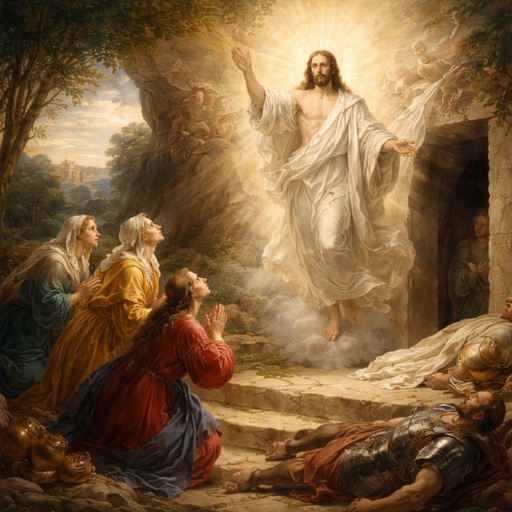
What does Luke 24:6-7 mean? "He is not here, but is risen: remember how he spake unto you when he was yet in Galilee, Saying, The Son of man must be delivered into the hands of sinful men, and be crucified, and the third day rise again." - Luke 24:6-7

Luke 24:6 - "He is not here, but is risen: remember how he spake unto you when he was yet in Galilee,"

Luke 24:6-7 - "He is not here; he has risen! Remember how he told you, while he was still with you in Galilee: ‘The Son of Man must be delivered over to the hands of sinners, be crucified and on the third day be raised again."

"He is not here, but is risen: remember how he spake unto you when he was yet in Galilee," - Luke 24:6
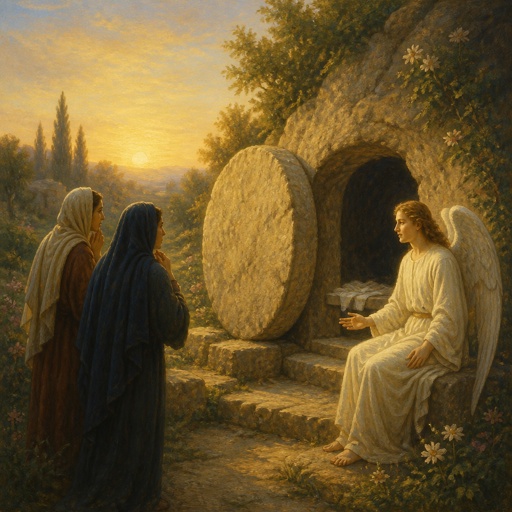
"He is not here, but is risen: remember how he spake unto you when he was yet in Galilee," - Luke 24:6
"He is not here, but is risen: remember how he spake unto you when he was yet in Galilee," - Luke 24:6
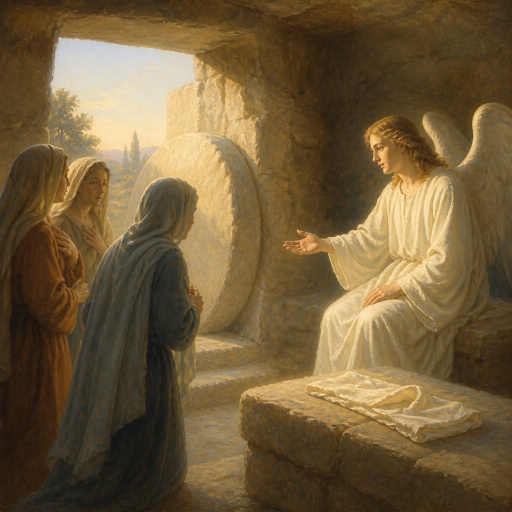
"He is not here; he has risen! Remember how he told you, while he was still with you in Galilee: ‘The Son of Man must be delivered over to the hands of sinners, be crucified and on the third day be raised again." - Luke 24:6-7

Luke 6:24 - "But woe unto you that are rich! for ye have received your consolation."
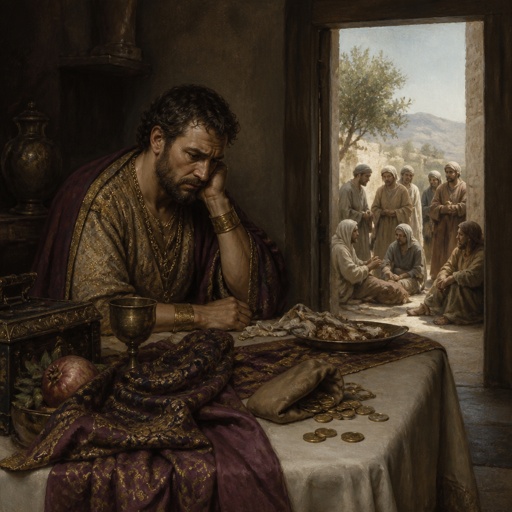
"But woe unto you that are rich! for ye have received your consolation." - Luke 6:24

Luke 24:1

Luke 24:35

Luke 24:42

Luke 21:24

Luke 13:24

luke 24:17

Luke 24:8 - "And they remembered his words,"

Luke 24:13-35

LUKE 24:41-43

Luke 24:48 - "And ye are witnesses of these things."

Luke 24:5-6 - "In their fright the women bowed down with their faces to the ground, but the men said to them, "Why do you look for the living among the dead? He is not here; he has risen! Remember how he told you, while he was still with you in Galilee."

Luke 24:24 - "And certain of them which were with us went to the sepulchre, and found it even so as the women had said: but him they saw not."

Luke 24:3 - "And they entered in, and found not the body of the Lord Jesus."

Luke 23:24 - "And Pilate gave sentence that it should be as they required."

Luke 24:45 - "Then opened he their understanding, that they might understand the scriptures,"

Luke 24:52 - "And they worshipped him, and returned to Jerusalem with great joy:"

Luke 24:16 - "But their eyes were holden that they should not know him."

Luke 24:42 - "And they gave him a piece of a broiled fish, and of an honeycomb."

Luke 24:2 - "And they found the stone rolled away from the sepulchre."

Luke 24:43 - "And he took it, and did eat before them."

Luke 6