What does Luke 2:14 mean?
“Glory to God in the highest, and on earth peace, good will toward men.” — Luke 2:14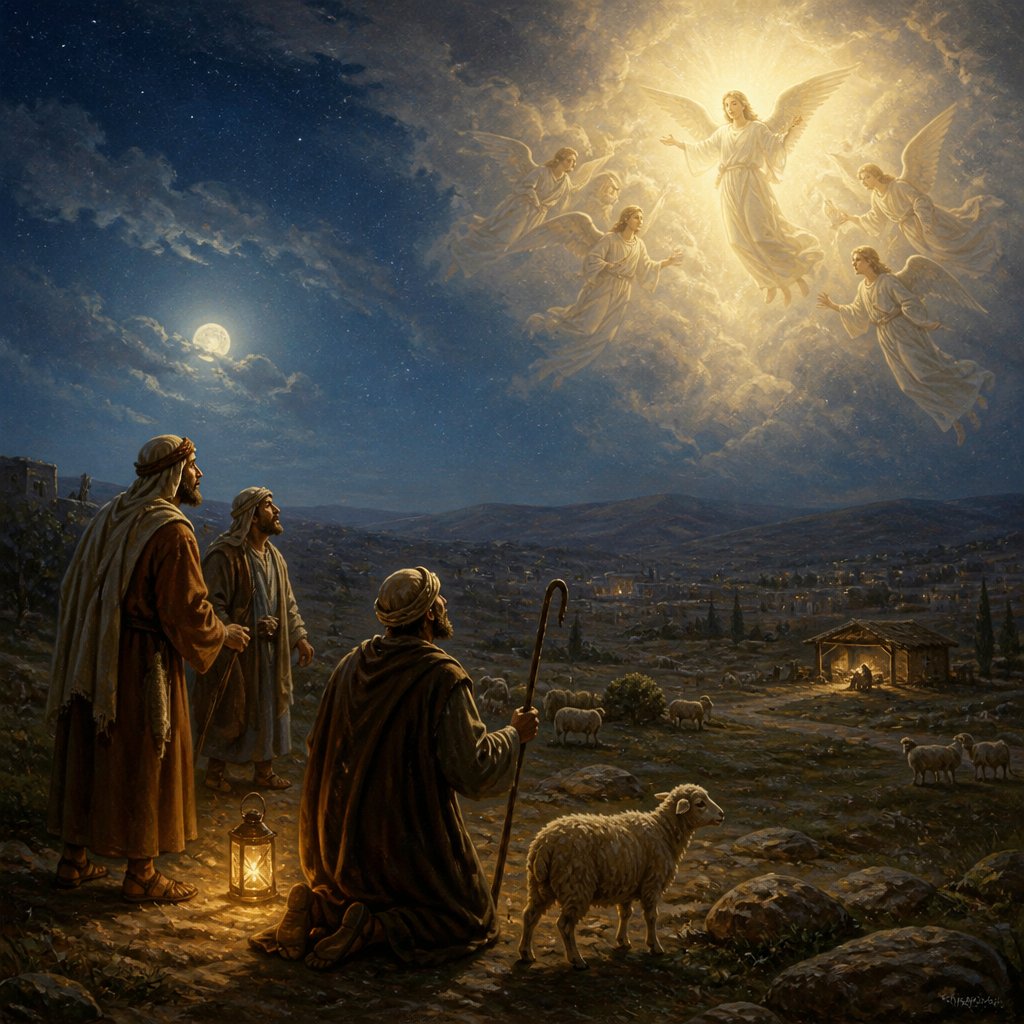
The verse Luke 2:14 in the King James Version of the Bible reads, "Glory to God in the highest, and on earth peace, good will toward men."
This verse comes from the account of the birth of Jesus Christ in the Gospel of Luke. It is part of the angelic announcement to the shepherds in the fields of Bethlehem, where the angel informs them of the birth of the Savior. This verse has been the subject of much theological discussion and has been interpreted in various ways by scholars and theologians throughout history.
The first part of the verse, "Glory to God in the highest," emphasizes the heavenly proclamation of the coming of the Savior. This phrase denotes the praise and honor due to God for the miraculous event that has taken place. It acknowledges the divine glory and sovereignty of God, highlighting the significance of the birth of Jesus as a momentous occasion in the salvation history.
The second part of the verse, "and on earth peace, good will toward men," carries a message of hope and peace. It represents the promise of peace on earth as a result of the coming of Jesus Christ. The birth of Jesus brings with it the potential for reconciliation between humanity and God, as well as the potential for peace among people. The phrase "good will toward men" further emphasizes God's benevolence and kindness towards humanity, offering the hope of salvation and goodwill to all.
The themes present in this verse are central to the Christian faith. The message of peace and goodwill is a central tenet of the Gospel, reflecting the hope of reconciliation and redemption offered through Jesus Christ. The verse points to the idea of God's love and grace being extended to all people, regardless of their social status or background. It also highlights the significance of the birth of Jesus as a pivotal moment in the fulfillment of God's plan for salvation.
The historical and cultural context of this verse is also significant. The announcement of the birth of Jesus to shepherds, who were considered lowly and marginalized in society, is symbolic of God's inclusive and universal message of salvation. The shepherds represent the ordinary people to whom the message of the Gospel is also proclaimed, reflecting the idea that Jesus came for all people, not just the elite or powerful.
The symbolism in this verse is rich and multi-layered. The phrase "Glory to God in the highest" signifies the exaltation and praise of God, emphasizing the transcendent nature of the divine. It points to the heavenly realm and the worship of God by the heavenly beings. The declaration of peace and goodwill on earth symbolizes the transformative power of the Gospel, bringing hope, reconciliation, and restoration to a broken and divided world.
In conclusion, Luke 2:14 in the King James Version of the Bible represents a powerful declaration of God's glory, peace, and goodwill towards humanity. It encapsulates the central message of the Gospel, emphasizing the hope and promise of salvation through the birth of Jesus Christ. The verse carries deep theological, historical, and cultural significance, and its themes of peace, reconciliation, and universal love continue to resonate with believers and non-believers alike. It stands as a profound and timeless declaration of God's redemptive love and the transformative power of the Gospel.
Get our apps


Artwork for Luke 2:14

Luke 2:14 - "Glory to God in the highest, and on earth peace, good will toward men."

Luke 2:14 - "Glory to God in the highest, and on earth peace, good will toward men."

Luke 2:14 - "Glory to God in the highest, and on earth peace, good will toward men."

"Glory to God in the highest, and on earth peace, good will toward men." - Luke 2:14

Luke 2:13-14

Luke 2:13-14

Luke 14:2 - "And, behold, there was a certain man before him which had the dropsy."

Luke 2:13-14 fine pointillism sytle

Luke 2:13-14 - "And suddenly there was with the angel a multitude of the heavenly host praising God, and saying, Glory to God in the highest, and on earth peace, good will toward men."

"And, behold, there was a certain man before him which had the dropsy." - Luke 14:2

Luke 14:14 - "And thou shalt be blessed; for they cannot recompense thee: for thou shalt be recompensed at the resurrection of the just."

Luke 11:14-15

Luke 18:9-14

Luke 11:1-14

Luke 14:25 - 33

Luke 11:1-14

Luke 18: 9-14

Luke 14:6 - "And they could not answer him again to these things."

Colossians 4:14 - "Luke, the beloved physician, and Demas, greet you."

Luke 14:30 - "Saying, This man began to build, and was not able to finish."

Luke 24:14 - "And they talked together of all these things which had happened."

Luke 10:14 - "But it shall be more tolerable for Tyre and Sidon at the judgment, than for you."

Luke 14:22 - "And the servant said, Lord, it is done as thou hast commanded, and yet there is room."

Luke 2:2

Luke 14:13 - "But when thou makest a feast, call the poor, the maimed, the lame, the blind:"

Luke 14:25 - "¶ And there went great multitudes with him: and he turned, and said unto them,"

Luke 22:14 - "And when the hour was come, he sat down, and the twelve apostles with him."
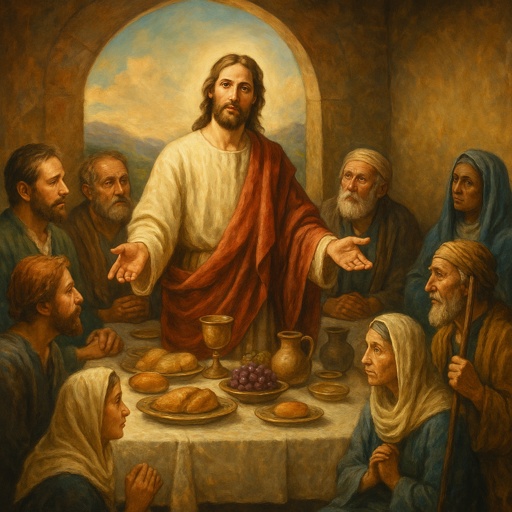
"And he put forth a parable to those which were bidden, when he marked how they chose out the chief rooms; saying unto them, When thou art bidden of any man to a wedding, sit not down in the highest room; lest a more honourable man than thou be bidden of him; And he that bade thee and him come and say to thee, Give this man place; and thou begin with shame to take the lowest room. But when thou art bidden, go and sit down in the lowest room; that when he that bade thee cometh, he may say unto thee, Friend, go up higher: then shalt thou have worship in the presence of them that sit at meat with thee. For whosoever exalteth himself shall be abased; and he that humbleth himself shall be exalted. Then said he also to him that bade him, When thou makest a feast, call the poor, the maimed, the lame, the blind: And thou shalt be blessed; for they cannot recompense thee: for thou shalt be recompensed at the resurrection of the just." - Luke 14:7-14

Luke 14:4 - "And they held their peace. And he took him, and healed him, and let him go;"

Luke 21:14 - "Settle it therefore in your hearts, not to meditate before what ye shall answer:"