What does Luke 2:4 mean?
“And Joseph also went up from Galilee, out of the city of Nazareth, into Judæa, unto the city of David, which is called Bethlehem; ( because he was of the house and lineage of David:)” — Luke 2:4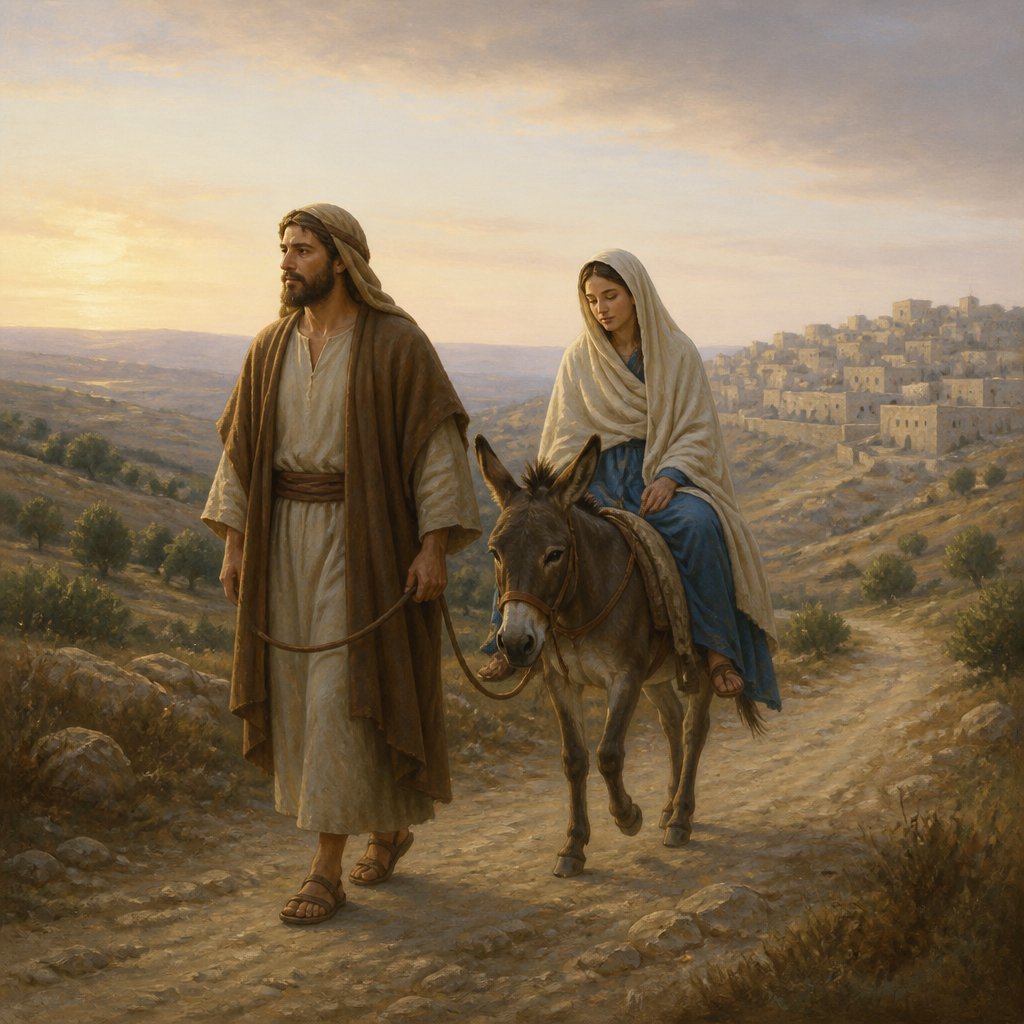
The Bible verse Luke 2:4 from the King James Version states, "And Joseph also went up from Galilee, out of the city of Nazareth, into Judaea, unto the city of David, which is called Bethlehem; (because he was of the house and lineage of David:)"
This verse appears in the second chapter of the Gospel of Luke, which focuses on the birth of Jesus Christ. In this particular verse, Joseph, the earthly father of Jesus, is traveling from Galilee to Bethlehem in order to comply with the census decreed by Caesar Augustus. The significance of this journey goes beyond a simple census enrollment; it fulfills the prophecy that the Messiah would be born in Bethlehem, the city of David.
The themes of obedience and fulfillment of prophecy are prominent in this verse. Joseph's journey exemplifies obedience to the law of the land, as he travels to Bethlehem in response to the census decree. This demonstrates his commitment to obeying the authorities, a recurrent theme in the Bible. Additionally, the fulfillment of the prophecy that the Messiah would be born in Bethlehem is highlighted, underscoring the divine plan and providence that is at work in the events surrounding Jesus' birth.
The context of this verse is crucial for understanding its significance. Joseph and Mary, who was pregnant with Jesus, belong to the lineage of David. Their journey to Bethlehem, David's birthplace, not only fulfills the prophetic expectation but also reinforces Jesus' royal lineage as a descendant of David, the revered king of Israel. This context establishes Jesus' legitimacy as the long-awaited Messiah, the fulfillment of the promise given to David that one of his descendants would rule on the throne forever (2 Samuel 7:12-16).
Furthermore, the symbolism in this verse is rich and profound. Bethlehem, the city of David, holds symbolic significance as the birthplace of the King of Kings. The journey to Bethlehem also foreshadows the humble circumstances of Jesus' birth, as Joseph and Mary are unable to find a proper place to stay, and Jesus is born in a manger. This symbolizes the humility and simplicity of Jesus' earthly beginnings, reflecting his identification with the lowly and marginalized.
Moreover, the act of Joseph traveling from Galilee to Bethlehem carries symbolic weight. Galilee was a region associated with Gentile influence and considered less prestigious by the Jews, whereas Bethlehem held a deep connection to the Jewish heritage and royal lineage. This journey from a less esteemed region to a place of greater significance signifies Jesus' role as the Savior for all people, both Jews and Gentiles, and his ability to transcend social and cultural boundaries.
In summary, Luke 2:4 from the King James Version carries profound meaning and significance within the larger context of the birth of Jesus Christ. It emphasizes themes of obedience and fulfillment of prophecy, while the context and symbolism underscore Jesus' royal lineage and universal significance. This verse serves as a crucial building block in the narrative of Jesus' birth, conveying the divine orchestration of events and the profound implications of Jesus' earthly origins.
Get our apps


Artwork for Luke 2:4

Luke 2:4 - "And Joseph also went up from Galilee, out of the city of Nazareth, into Judaea, unto the city of David, which is called Bethlehem; (because he was of the house and lineage of David:)"

Luke 2:4-7 - "So Joseph also went up from the town of Nazareth in Galilee to Judea, to Bethlehem the town of David, because he belonged to the house and line of David. He went there to register with Mary, who was pledged to be married to him and was expecting a child. While they were there, the time came for the baby to be born, and she gave birth to her firstborn, a son. She wrapped him in cloths and placed him in a manger, because there was no guest room available for them."
"And Joseph also went up from Galilee, out of the city of Nazareth, into Judaea, unto the city of David, which is called Bethlehem; (because he was of the house and lineage of David:)" - Luke 2:4
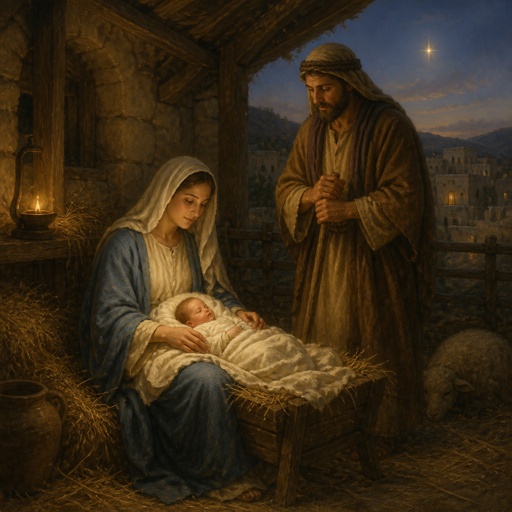
"So Joseph also went up from the town of Nazareth in Galilee to Judea, to Bethlehem the town of David, because he belonged to the house and line of David. He went there to register with Mary, who was pledged to be married to him and was expecting a child. While they were there, the time came for the baby to be born, and she gave birth to her firstborn, a son. She wrapped him in cloths and placed him in a manger, because there was no guest room available for them." - Luke 2:4-7

2 Timothy 4:11 - "Only Luke is with me. Take Mark, and bring him with thee: for he is profitable to me for the ministry."

Luke 4:2 - "Being forty days tempted of the devil. And in those days he did eat nothing: and when they were ended, he afterward hungered."

Luke 4:29

Luke 4:18

luke 4:16

Luke 4:18

Luke 8:4-18

Luke 15: 4-7

Luke 4:19 - "To preach the acceptable year of the Lord."

Luke 4:44 - "And he preached in the synagogues of Galilee."

Luke 2:2

Luke 4:4 - "And Jesus answered him, saying, It is written, That man shall not live by bread alone, but by every word of God."

Luke 20:4 - "The baptism of John, was it from heaven, or of men?"
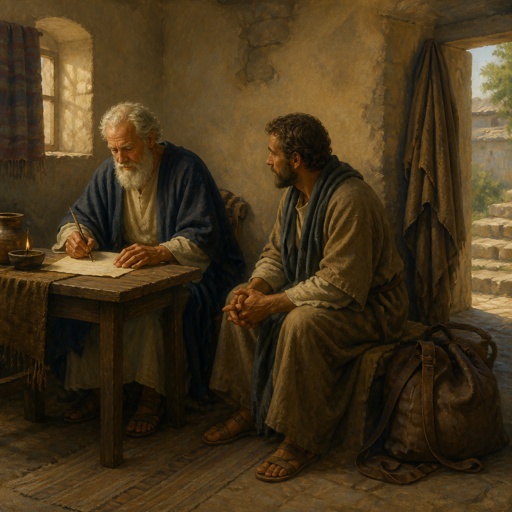
"Only Luke is with me. Take Mark, and bring him with thee: for he is profitable to me for the ministry." - 2 Timothy 4:11

Luke 4:15 - "And he taught in their synagogues, being glorified of all."

Colossians 4:14 - "Luke, the beloved physician, and Demas, greet you."

Luke 4:32 - "And they were astonished at his doctrine: for his word was with power."

Luke 9:4 - "And whatsoever house ye enter into, there abide, and thence depart."

Luke 4:28 - "And all they in the synagogue, when they heard these things, were filled with wrath,"

Luke 4:30 - "But he passing through the midst of them went his way,"

Luke 4:7 - "If thou therefore wilt worship me, all shall be thine."

Luke 2:2 - "(And this taxing was first made when Cyrenius was governor of Syria.)"

Luke 23:4 - "Then said Pilate to the chief priests and to the people, I find no fault in this man."

Luke 4:31 - "And came down to Capernaum, a city of Galilee, and taught them on the sabbath days."

Luke 4:37 - "And the fame of him went out into every place of the country round about."

Luke 2:37