What does Luke 2:5 mean?
“To be taxed with Mary his espoused wife, being great with child.” — Luke 2:5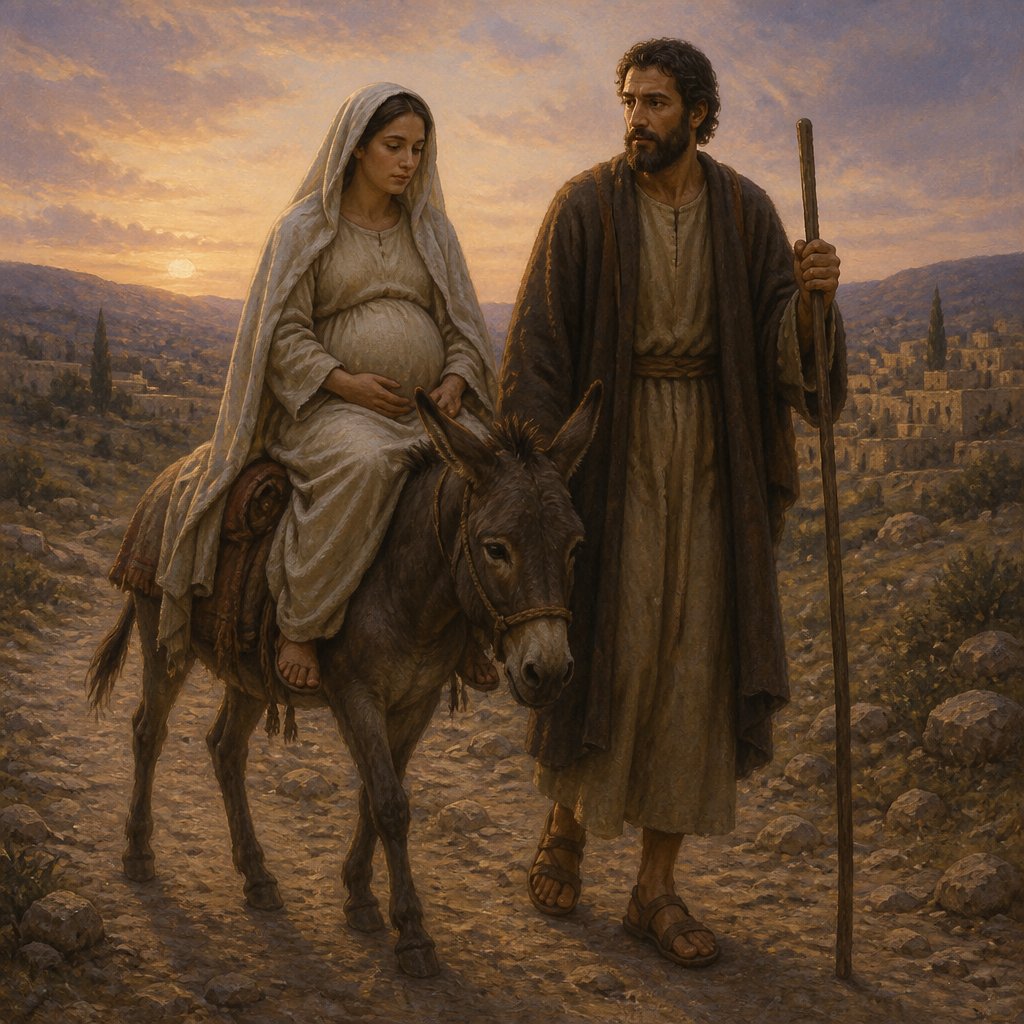
Luke 2:5 (KJV) states, "To be taxed with Mary his espoused wife, being great with child."
This verse is part of the story of the birth of Jesus Christ, as recorded in the Gospel of Luke. It provides important historical and cultural context for the events surrounding the birth of Jesus and sheds light on the humble circumstances in which he was born.
The verse presents Joseph, the earthly father of Jesus, and Mary, his mother, as they traveled to Bethlehem to be registered for a census and to pay taxes. This journey was significant in that it fulfilled the prophecy of Micah 5:2, which foretold that the Messiah would be born in Bethlehem.
The fact that Mary was "great with child" at the time of the journey speaks to the difficult nature of the trip. Traveling while pregnant in those times would have been physically taxing and challenging, and it highlights the hardships that Mary and Joseph faced as they followed the requirements of their government.
The verse also emphasizes the lowly and humble circumstances surrounding the birth of Jesus. Despite Mary's miraculous conception and the divine nature of her child, she and Joseph were ordinary, working-class people who had to comply with the demands of the Roman government. This aligns with the broader themes of humility and the upside-down nature of God's kingdom, in which the last are first and the humble are exalted.
The journey to Bethlehem also connects the story of Jesus' birth with the broader political and social context of the time. The Roman Empire had imposed a census for the purpose of taxation, which would have been a clear reminder of the people's subjugation to a foreign power. This oppression and the longing for liberation were central themes for the Jewish people, who were anticipating the coming of a Messiah to deliver them from their oppressors.
The verse also points to the faith and obedience of Mary and Joseph. Despite the challenges they faced, they were willing to submit to the authorities and trust in God's ultimate plan. This obedience to the laws of the land, as well as to God's will, serves as an example for believers to follow.
Furthermore, the journey to Bethlehem is symbolic in the broader narrative of the Bible. Bethlehem was the birthplace of David, the great king of Israel, and it holds deep significance in Jewish history. By being born in Bethlehem, Jesus fulfilled the prophecy of being from the lineage of David, further establishing his identity as the long-awaited Messiah.
In addition, the mention of Mary being "great with child" serves as a reminder of the miraculous nature of Jesus' birth. The term "espoused wife" also highlights the unique circumstances of Jesus' conception, as Mary was betrothed to Joseph but had not yet consummated the marriage when she conceived Jesus by the Holy Spirit.
Overall, Luke 2:5 captures the historical, cultural, and symbolic significance of the events surrounding the birth of Jesus. It emphasizes the themes of humility, obedience, divine prophecy, and the fulfillment of God's promises. It also serves as a reminder of the miraculous nature of Jesus' birth and the extraordinary circumstances surrounding his coming into the world.
Get our apps


Artwork for Luke 2:5

Luke 2:5 - "To be taxed with Mary his espoused wife, being great with child."
"To be taxed with Mary his espoused wife, being great with child." - Luke 2:5

Luke 5:2 - "And saw two ships standing by the lake: but the fishermen were gone out of them, and were washing their nets."

luke 5:5

Luke 10:5

Luke 10:5
Luke 10:5

Luke 5:36

Luke 5:39

Luke 8:5-8

Luke 5:1-11

Luke 5:17-26

Luke 5:1-11

luke 21:5-19

Luke 5:16 - "¶ And he withdrew himself into the wilderness, and prayed."

Luke 22:5 - "And they were glad, and covenanted to give him money."
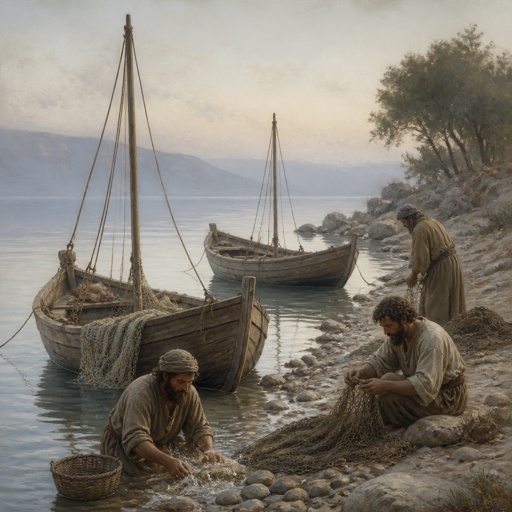
"And saw two ships standing by the lake: but the fishermen were gone out of them, and were washing their nets." - Luke 5:2

Luke 5:32 - "I came not to call the righteous, but sinners to repentance."

Luke 2:2

Luke 5:28 - "And he left all, rose up, and followed him."

Luke 17:5 - "And the apostles said unto the Lord, Increase our faith."

Luke 10:5 - "And into whatsoever house ye enter, first say, Peace be to this house."

Luke 5:38 - "But new wine must be put into new bottles; and both are preserved."

Luke 15:5 - "And when he hath found it, he layeth it on his shoulders, rejoicing."

Luke 5:6 - "And when they had this done, they inclosed a great multitude of fishes: and their net brake."

Luke 5:11 - "And when they had brought their ships to land, they forsook all, and followed him."

Luke 5:31 - "And Jesus answering said unto them, They that are whole need not a physician; but they that are sick."

Luke 6:5 - "And he said unto them, That the Son of man is Lord also of the sabbath."

Luke 7:5 - "For he loveth our nation, and he hath built us a synagogue."

luke 21:5-19 with all people of color