What does Luke 4:27 mean?
"And many lepers were in Israel in the time of Eliseus the prophet; and none of them was cleansed, saving Naaman the Syrian." - Luke 4:27
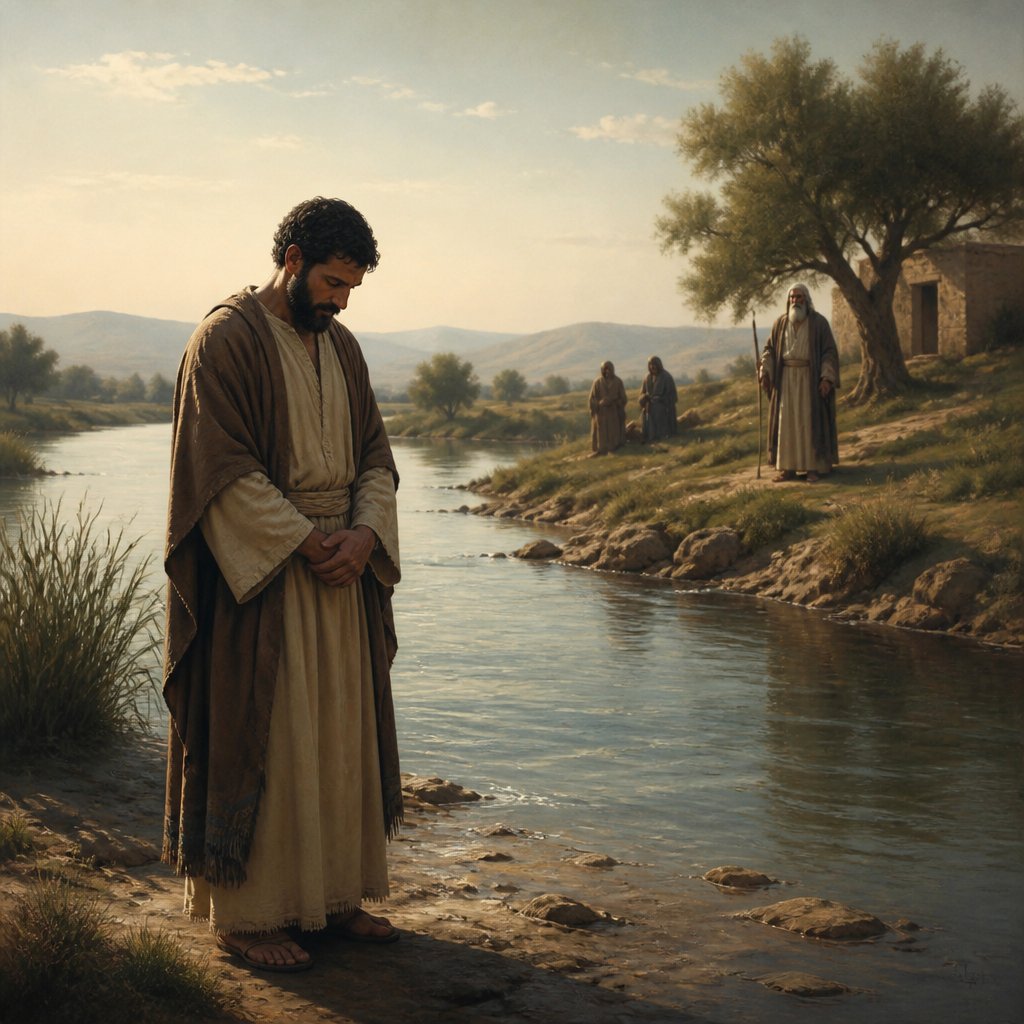
Luke 4:27 (KJV): "And many lepers were in Israel in the time of Eliseus the prophet; and none of them was cleansed, saving Naaman the Syrian."
In this verse, Jesus is referring to an incident in the Old Testament when the prophet Elisha healed Naaman, a Syrian general who suffered from leprosy. This story is mentioned in 2 Kings 5:1-14, where Naaman, a powerful and respected commander of the Syrian army, is afflicted with leprosy. Upon the suggestion of a young Israelite girl captured by the Syrians, Naaman seeks out Elisha, the prophet of Israel, for healing. Elisha instructs Naaman to wash in the Jordan River seven times, and through his obedience, Naaman is miraculously healed.
This verse is significant as it emphasizes the idea that God's grace and healing are not limited to a particular nation or people. It challenges the notion that God's favor is reserved exclusively for the Israelites and shows that even a non-Israelite like Naaman can experience God's miraculous intervention and healing. This message would have been quite radical and controversial in Jesus' time, given the deep-seated prejudices and animosity between the Jews and the surrounding Gentile nations.
The context of this verse is important in understanding the broader themes and implications. In the preceding verses (Luke 4:16-26), Jesus is rejected by the people of Nazareth when he claims to fulfill the prophecy of Isaiah to bring good news to the poor, liberty to the captives, and sight to the blind. The people of Nazareth initially responded positively to Jesus' words, but when he challenges their exclusivist tendencies and reminds them of instances where God's blessings extended beyond Israel, they become angry and seek to harm him.
This rejection in his hometown foreshadows Jesus' broader rejection by his own people, the Jews, and his eventual crucifixion by the Roman authorities. Luke's Gospel emphasizes Jesus' ministry to the marginalized and outcast, and this verse serves as a powerful reminder that God's grace and salvation are not limited by nationality, ethnicity, or social status.
The symbolism in this verse is profound and carries significant theological implications. The lepers in the Bible represent not only physical illness but also spiritual impurity and separation from the community. Leprosy was a dreaded disease in ancient times, not only because of its physical effects but also because it rendered the afflicted person unclean and untouchable, leading to social isolation and exclusion.
In the case of Naaman, his healing from leprosy not only represents physical restoration but also symbolizes the inclusion of the Gentiles in God's redemptive plan. The cleansing of Naaman serves as a powerful image of God's universal love and the breaking down of barriers between different nations and peoples. In the broader narrative of the Bible, this foreshadows the message of salvation through Jesus Christ, which is not limited to the Jews but extends to all people, Jew and Gentile alike.
In sum, Luke 4:27 encapsulates the inclusive and universal nature of God's grace and healing. It challenges ethnic and national prejudices and emphasizes God's love for all people, regardless of their background or social status. The story of Naaman's healing serves as a powerful symbol of God's redemptive work and foreshadows the coming of Jesus Christ, whose ministry and sacrifice would be for the salvation of the whole world. This verse, therefore, holds deep theological significance and continues to inspire and challenge readers to embrace a more expansive and inclusive vision of God's kingdom.
Have questions about Luke 4:27?
Dive deeper into this scripture with Bible Chat — an AI-powered tool for exploring God's Word through conversation. Ask questions, get context, and grow in your understanding of the Bible.
Get Our Apps


Luke 4:27 Artwork

Luke 4:27 - "And many lepers were in Israel in the time of Eliseus the prophet; and none of them was cleansed, saving Naaman the Syrian."
"And many lepers were in Israel in the time of Eliseus the prophet; and none of them was cleansed, saving Naaman the Syrian." - Luke 4:27

luke 1:27

luke 6: 27

Luke 10:27

Luke 6: 27-38

Luke 6:27-38

Luke 13:28-27

Luke 13:28-27

Luke 13:28-27

Luke 18:27 - "And he said, The things which are impossible with men are possible with God."

Luke 21:27 - "And then shall they see the Son of man coming in a cloud with power and great glory."

Galatians 4:24-27

Luke 20:27 - "¶ Then came to him certain of the Sadducees, which deny that there is any resurrection; and they asked him,"

Luke 20:27-38. All people of color.

Luke 23:27 - "¶ And there followed him a great company of people, and of women, which also bewailed and lamented him."

Luke 14:27 - "And whosoever doth not bear his cross, and come after me, cannot be my disciple."

Luke 1:27 - "To a virgin espoused to a man whose name was Joseph, of the house of David; and the virgin's name was Mary."

Luke 24:27 - "And beginning at Moses and all the prophets, he expounded unto them in all the scriptures the things concerning himself."

Ephesians 4:27 - "Neither give place to the devil."

Luke 4:29

Luke 4:18

luke 4:16

Luke 4:18

Luke 16:27 - "Then he said, I pray thee therefore, father, that thou wouldest send him to my father's house:"

Luke 2:27 - "And he came by the Spirit into the temple: and when the parents brought in the child Jesus, to do for him after the custom of the law,"

Leviticus 27:4 - "And if it be a female, then thy estimation shall be thirty shekels."

Luke 9:27 - "But I tell you of a truth, there be some standing here, which shall not taste of death, till they see the kingdom of God."

Luke 3:27 - "Which was the son of Joanna, which was the son of Rhesa, which was the son of Zorobabel, which was the son of Salathiel, which was the son of Neri,"

Luke 6:27 - "¶ But I say unto you which hear, Love your enemies, do good to them which hate you,"