What does Luke 4:23 mean?
“And he said unto them, Ye will surely say unto me this proverb, Physician, heal thyself: whatsoever we have heard done in Capernaum, do also here in thy country.” — Luke 4:23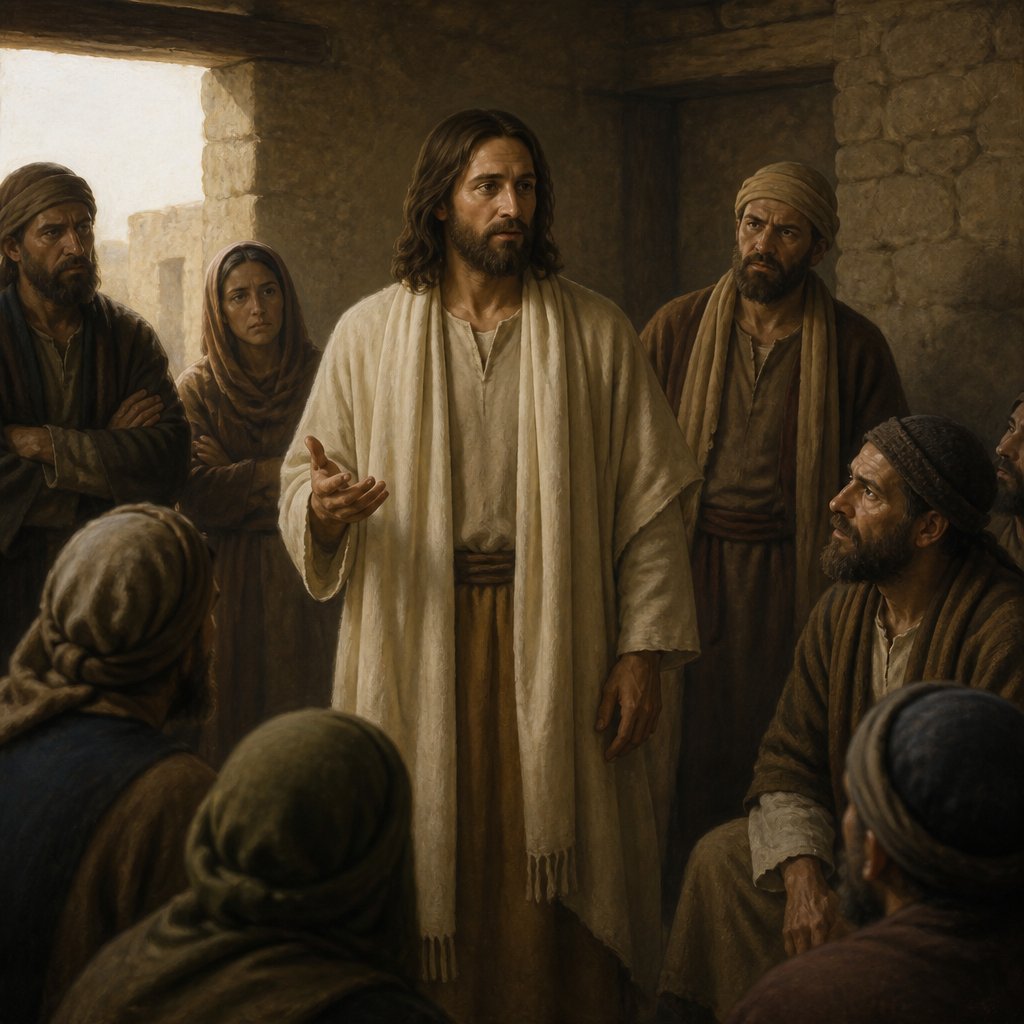
Luke 4:23 (KJV) states: "And he said unto them, Ye will surely say unto me this proverb, Physician, heal thyself: whatsoever we have heard done in Capernaum, do also here in thy country."
This verse comes from the Gospel of Luke, which is the third book of the New Testament in the Bible. In this verse, Jesus is speaking to the people in his hometown of Nazareth. He had just returned from being tempted in the wilderness, and he went to the synagogue on the Sabbath day, as was his custom. While there, he stood up to read from the book of Isaiah and to teach the people. The verse is a part of Jesus' response to the people's disbelief in him, and it highlights the themes of faith, rejection, and the identity of Jesus as the Son of God.
The context of this verse is important to understand its meaning. The people in Jesus' hometown were skeptical of him and his teachings. They had known him since he was a child and were astonished by the wisdom and miracles that he was now displaying. In response to their disbelief, Jesus uses a proverb that would have been familiar to them: "Physician, heal thyself." This proverb was likely used to challenge Jesus to prove himself by performing miracles or wonders in his own hometown, similar to those they had heard about from Capernaum. However, Jesus knew that their doubt and lack of faith in him would prevent him from performing miracles there, just as it did in other places.
The verse holds a deeper meaning and commentary on the human condition and the nature of faith. The people's skepticism and disbelief in Jesus are reflective of the broader theme of rejection that Jesus faced throughout his ministry. Despite his teachings and miracles, many people, especially those who were familiar with him from his humble beginnings, struggled to accept him as the Messiah. This passage speaks to the challenge of having faith in the face of familiarity and disbelief.
Furthermore, the proverb "Physician, heal thyself" can also be understood in a symbolic sense. Jesus, as the ultimate Physician and healer, is being challenged to heal his own people in the ways that he had supposedly done in Capernaum. The people were essentially asking for proof of his divine identity. However, Jesus knew that their lack of faith would prevent him from performing miracles among them. This challenges the notion of faith and the human desire for tangible evidence of divine power. Jesus' response in the following verses further emphasizes that faith requires a heart that is open and receptive to the message of God, rather than seeking spectacular displays of power.
In addition to the themes of faith and rejection, there is also the theme of the identity of Jesus as the Son of God. The people in Nazareth struggled to see Jesus as more than just a familiar face from their hometown. They failed to recognize the significance of his teaching and the miracles he had performed elsewhere. This passage highlights the mystery and complexity of Jesus' identity. Even those closest to him had difficulty understanding the depth of his purpose and mission.
Overall, Luke 4:23 is a thought-provoking verse that addresses themes of faith, rejection, and the identity of Jesus. It challenges the reader to consider the nature of faith and the human tendency to doubt and seek tangible proof of divine power. It also serves as a reminder of the mystery and complexity of Jesus' identity and the challenge of accepting him as the Son of God. As with many verses in the Gospels, this passage invites readers to reflect on their own faith and the impact of familiarity and doubt on their relationship with God.
Get our apps


Artwork for Luke 4:23

Luke 4:23 - "And he said unto them, Ye will surely say unto me this proverb, Physician, heal thyself: whatsoever we have heard done in Capernaum, do also here in thy country."
"And he said unto them, Ye will surely say unto me this proverb, Physician, heal thyself: whatsoever we have heard done in Capernaum, do also here in thy country." - Luke 4:23

Luke 23:4 - "Then said Pilate to the chief priests and to the people, I find no fault in this man."
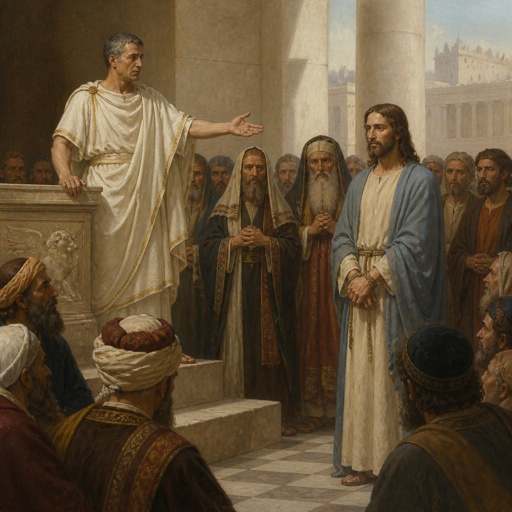
"Then said Pilate to the chief priests and to the people, I find no fault in this man." - Luke 23:4

Luke 23:53

Luke 19:23

luke 11:23

Luke 19:23

luke 11:23
Luke 15:23

luke 11:23

luke 11:23

Luke 23:54 - "And that day was the preparation, and the sabbath drew on."

Luke 23:23 - "And they were instant with loud voices, requiring that he might be crucified. And the voices of them and of the chief priests prevailed."

Luke 23:24 - "And Pilate gave sentence that it should be as they required."

Luke 23:45 - "And the sun was darkened, and the veil of the temple was rent in the midst."

Luke 7:23 - "And blessed is he, whosoever shall not be offended in me."

Luke 23:21 - "But they cried, saying, Crucify him, crucify him."

Luke 23:16 - "I will therefore chastise him, and release him."

Luke 23:37 - "And saying, If thou be the king of the Jews, save thyself."

Luke 23:10 - "And the chief priests and scribes stood and vehemently accused him."

Proverbs 4:23

Luke 23:52 - "This man went unto Pilate, and begged the body of Jesus."

Luke 11:23 - "He that is not with me is against me: and he that gathereth not with me scattereth."

Luke 23:1 - "And the whole multitude of them arose, and led him unto Pilate."

Luke 23:20 - "Pilate therefore, willing to release Jesus, spake again to them."

Proverbs 4:23

Proverbs 4:23

Proverbs 4:23

Proverbs 4:23