What does Luke 4:26 mean?
“But unto none of them was Elias sent, save unto Sarepta, a city of Sidon, unto a woman that was a widow.” — Luke 4:26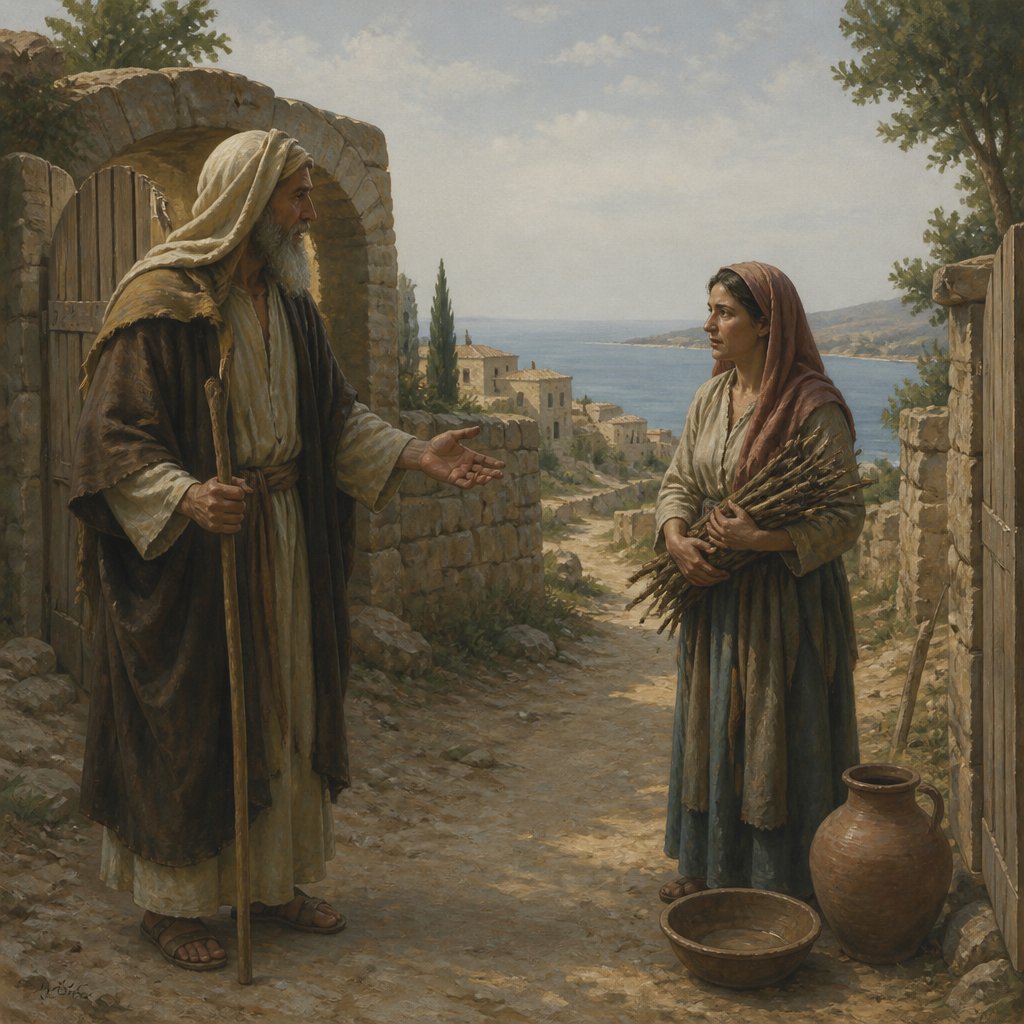
The Bible verse Luke 4:26 from the King James Version (KJV) states, "But unto none of them was Elias sent, save unto Sarepta, a city of Sidon, unto a woman that was a widow." This verse is part of the larger narrative of Jesus' visit to the synagogue in Nazareth, where he quotes the prophecy of Isaiah and proclaims himself as the fulfillment of that prophecy. In this specific verse, Jesus is referring to the instances in the Old Testament where the prophet Elijah was sent to a widow in the city of Sarepta.
To understand the full meaning and commentary of Luke 4:26, it is important to examine the context in which it is situated. In the preceding verses, Jesus had just claimed to be the one foretold by the prophet Isaiah, the Messiah who would bring good news to the poor, proclaim freedom for the prisoners and the oppressed, and announce the year of the Lord's favor. This claim had caused a stir among the people in the synagogue, and they were filled with both amazement and doubt at the words of Jesus. At this point, Jesus begins to challenge their expectations of who the Messiah is and what he would do.
The reference to Elijah being sent to a widow in Sarepta serves as an example that challenges the narrow and exclusive perception of God's favor and blessing. In the Old Testament, the people of Israel often viewed themselves as the sole recipients of God's blessings, and they expected the Messiah to be a deliverer for them alone. However, by pointing to the story of Elijah and the widow of Sarepta, Jesus is reminding his audience that God's grace extends beyond ethnic and national boundaries. The widow in Sarepta was a Gentile, not an Israelite, yet she was chosen to receive the help and provision of God through the prophet Elijah.
This narrative highlights the theme of God's inclusive love and compassion for all people, regardless of their background or ethnicity. It challenges the idea of exclusivity and expands the understanding of God's kingdom to include all who respond in faith. This theme of inclusivity and the widening of God's grace is a central message in the ministry of Jesus, who came not only for the people of Israel but for the entire world.
Another important aspect of Luke 4:26 is the symbolism inherent in the story of Elijah and the widow of Sarepta. The city of Sarepta was located in the region of Sidon, which was outside the boundaries of Israel. By being sent to Sarepta, Elijah's ministry transcended the borders of his own nation and reached out to a foreign land. This serves as a symbolic foreshadowing of the universal scope of the message of the Gospel, which would extend to all nations and peoples.
Additionally, the act of helping a widow in her time of need carries spiritual significance. In biblical times, widows were among the most vulnerable and marginalized members of society, lacking the protection and provision of a husband. God's care for the widow is a consistent theme throughout the Bible, emphasizing his concern for the marginalized and those in need. In the story of Elijah and the widow of Sarepta, God's provision for the widow demonstrates his faithfulness and care for those who are often overlooked and disregarded by society.
In conclusion, Luke 4:26 is a powerful verse that challenges exclusivist attitudes and emphasizes God's inclusive love and care for all people. It serves as a reminder that God's grace extends beyond borders and ethnic boundaries, and his concern encompasses the marginalized and vulnerable. The story of Elijah and the widow of Sarepta serves as a symbolic representation of the universal scope of the Gospel message and the compassionate heart of God. It invites us to embrace a broader perspective of God's kingdom and to extend love and compassion to all, especially to those who are in need.
Get our apps


Artwork for Luke 4:26

Luke 4:26 - "But unto none of them was Elias sent, save unto Sarepta, a city of Sidon, unto a woman that was a widow."
"But unto none of them was Elias sent, save unto Sarepta, a city of Sidon, unto a woman that was a widow." - Luke 4:26

luke 1:26

luke 1:26

Luke 1:26

Luke 12:25-26

Luke 12:25-26

Luke 16:22-26

Luke 12:25-26

Luke 6:21-26

Luke 12:25-26

Luke 12:25-26

Luke 6:21-26
Luke 12:25-26

Luke 12:25-26

Luke 5:17-26

Luke 18:26 - "And they that heard it said, Who then can be saved?"

Luke 8:26 - "¶ And they arrived at the country of the Gadarenes, which is over against Galilee."

Luke 17:26 - "And as it was in the days of Noe, so shall it be also in the days of the Son of man."

Luke 15:26 - "And he called one of the servants, and asked what these things meant."

Luke 10:26 - "He said unto him, What is written in the law? how readest thou?"

Luke 12:26 - "If ye then be not able to do that thing which is least, why take ye thought for the rest?"

"And they that heard it said, Who then can be saved?" - Luke 18:26

Deuteronomy 26:4-10

Luke 20:26 - "And they could not take hold of his words before the people: and they marvelled at his answer, and held their peace."

Luke 1:26 - "And in the sixth month the angel Gabriel was sent from God unto a city of Galilee, named Nazareth,"

Leviticus 26: 4-6

Deuteronomy 26:4-10

Leviticus 26: 4-6

Leviticus 26: 4-6