What does Luke 4:8 mean?
"And Jesus answered and said unto him, Get thee behind me, Satan: for it is written, Thou shalt worship the Lord thy God, and him only shalt thou serve." - Luke 4:8
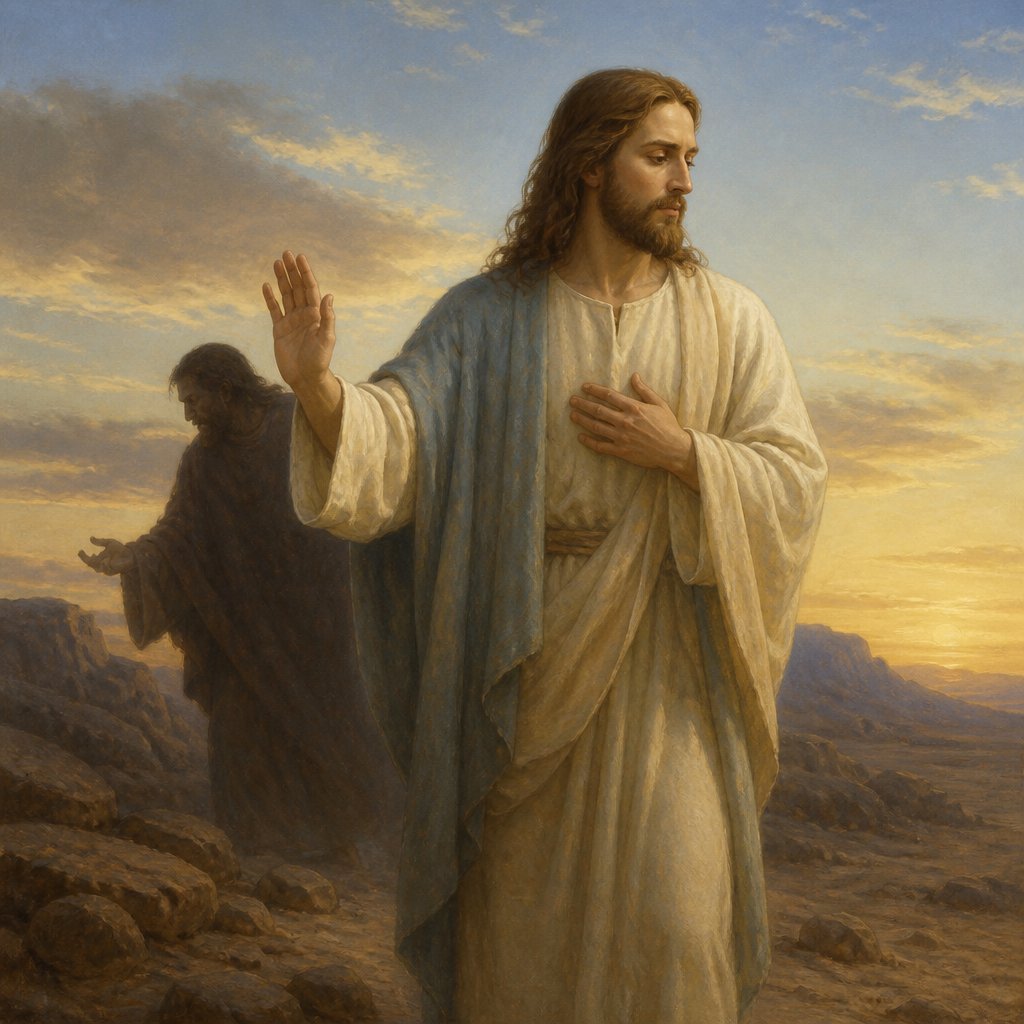
Luke 4:8 (KJV), "And Jesus answered and said unto him, Get thee behind me, Satan: for it is written, Thou shalt worship the Lord thy God, and him only shalt thou serve."
In Luke 4:8, Jesus rebukes Satan with a powerful statement that encapsulates the essence of the Christian faith. This verse has deep spiritual and theological significance, and its implications echo throughout the Bible and Christian tradition.
The context of this verse is crucial to understanding its significance. It comes from a passage in Luke known as the Temptation of Jesus. After being baptized by John the Baptist, Jesus is led by the Spirit into the wilderness, where he fasts for forty days. It is during this time of fasting that Satan tempts him. The Devil offers Jesus all the kingdoms of the world in exchange for worship and allegiance. In response, Jesus quotes from Deuteronomy 6:13, affirming the importance of worshipping and serving God alone.
The theme of this verse centers on the concept of monotheism and the exclusive worship of God. It underscores the core principle of the Christian faith, emphasizing the belief in one God and rejecting all forms of idolatry and false worship. Throughout the Bible, the worship of false gods or idols is condemned, and this verse serves as a powerful affirmation of the centrality of God in the life of a believer.
Another important theme in this verse is the spiritual battle between good and evil. In this passage, Satan attempts to deceive and tempt Jesus, but he resists and rebukes the Devil. This theme of spiritual warfare is a recurring motif in the New Testament, highlighting the struggle between light and darkness, righteousness and sin. Jesus' response to Satan demonstrates his authority over evil and his unwavering commitment to God.
The symbolism in Luke 4:8 is rich and profound. Jesus' command to "Get thee behind me, Satan" represents his rejection of temptation and his refusal to succumb to the lure of worldly power. It symbolizes his victory over the forces of evil and his commitment to fulfilling the will of God. Additionally, the act of quoting scripture underscores the importance of the Word of God in combating spiritual attacks and deception.
Furthermore, the concept of worship and service is significant in this verse. By affirming the primacy of worshipping and serving God alone, Jesus teaches the fundamental truth that our ultimate allegiance belongs to the Divine. This challenges the cultural and societal norms that often promote self-worship, materialism, and power-seeking. Instead, it calls believers to prioritize God above all else and to live in obedience to His will.
In a broader theological context, Luke 4:8 is part of Jesus' foundational teachings on the kingdom of God. It sets the tone for his ministry and underscores the radical nature of his message. By rejecting the temptations offered by Satan, Jesus establishes the principles of his kingdom, which are founded on humility, divine authority, and sacrificial love.
In conclusion, Luke 4:8 is a pivotal verse in the New Testament that encapsulates essential themes of the Christian faith. Its message has far-reaching implications for believers, challenging them to uphold the principles of monotheism, spiritual warfare, and the exclusive worship and service of God. This verse serves as a reminder of Jesus' unwavering commitment to God and sets a standard for His followers to emulate. It remains a foundational scripture that continues to inspire and guide Christians in their walk of faith.
Have questions about Luke 4:8?
Dive deeper into this scripture with Bible Chat — an AI-powered tool for exploring God's Word through conversation. Ask questions, get context, and grow in your understanding of the Bible.
Get Our Apps


Luke 4:8 Artwork

Luke 4:8 - "And Jesus answered and said unto him, Get thee behind me, Satan: for it is written, Thou shalt worship the Lord thy God, and him only shalt thou serve."
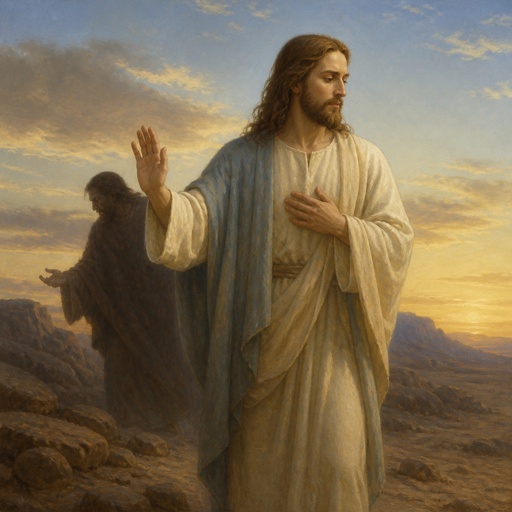
"And Jesus answered and said unto him, Get thee behind me, Satan: for it is written, Thou shalt worship the Lord thy God, and him only shalt thou serve." - Luke 4:8

Luke 8:4-18
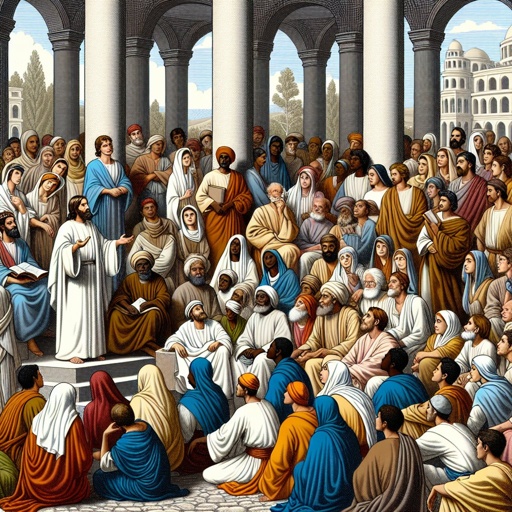
Luke 8:4 - "¶ And when much people were gathered together, and were come to him out of every city, he spake by a parable:"

Luke 8:5-8

Luke 8:16

Luke 8:11

Luke 8:17

Luke 8:13

Luke 8:13

Luke 8:13

Luke 24:8 - "And they remembered his words,"

Luke 2 v 8
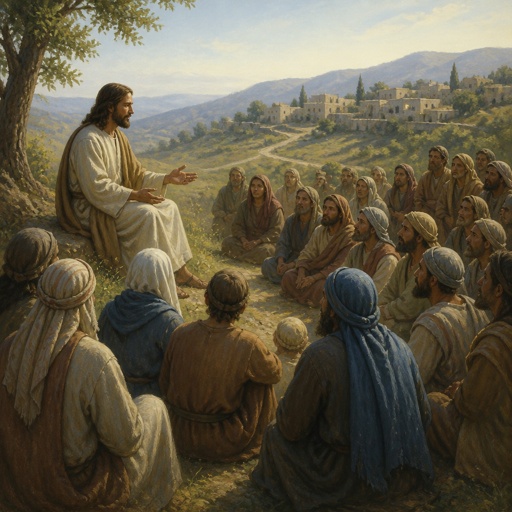
"¶ And when much people were gathered together, and were come to him out of every city, he spake by a parable:" - Luke 8:4

Luke 4:29

Luke 4:18

luke 4:16

Luke 4:18

Luke 8:11 - "Now the parable is this: The seed is the word of God."

Luke 15: 4-7

Luke 8:53 - "And they laughed him to scorn, knowing that she was dead."

Luke 4:19 - "To preach the acceptable year of the Lord."

Luke 4:44 - "And he preached in the synagogues of Galilee."

Luke 8:26 - "¶ And they arrived at the country of the Gadarenes, which is over against Galilee."

Luke 4:4 - "And Jesus answered him, saying, It is written, That man shall not live by bread alone, but by every word of God."
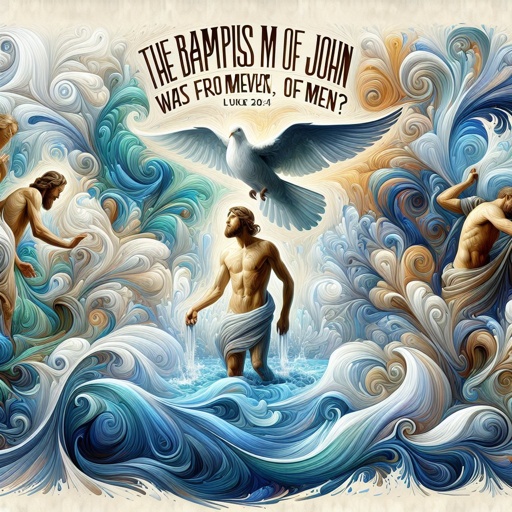
Luke 20:4 - "The baptism of John, was it from heaven, or of men?"

Luke 8:9 - "And his disciples asked him, saying, What might this parable be?"
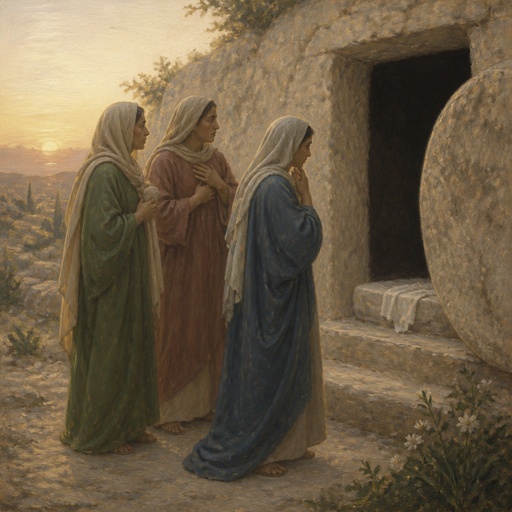
"And they remembered his words," - Luke 24:8

Luke 8:7 - "And some fell among thorns; and the thorns sprang up with it, and choked it."

James 4:8