What does Luke 5:24 mean?
“But that ye may know that the Son of man hath power upon earth to forgive sins,( he said unto the sick of the palsy,) I say unto thee, Arise, and take up thy couch, and go into thine house.” — Luke 5:24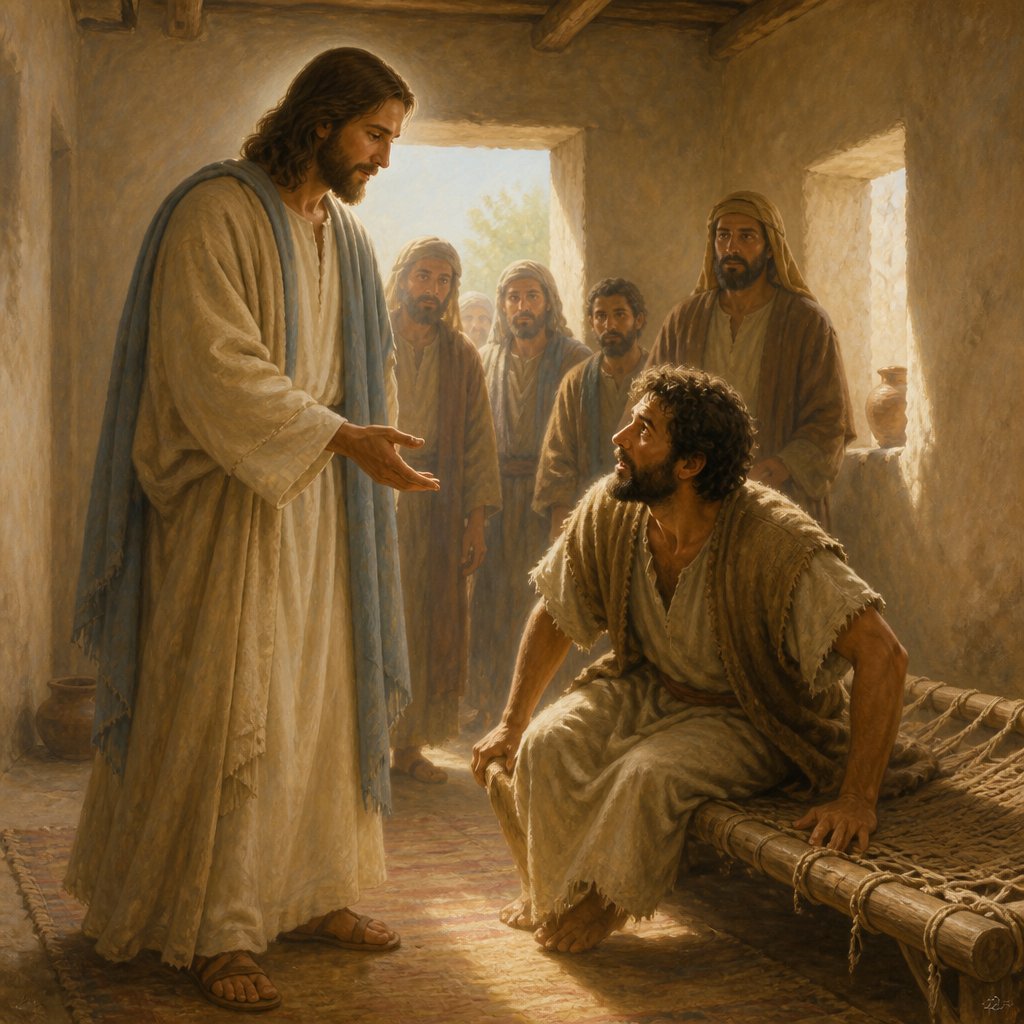
Luke 5:24 (KJV) states, "But that ye may know that the Son of man hath power upon earth to forgive sins, (he said unto the sick of the palsy,) I say unto thee, Arise, and take up thy couch, and go into thine house." This verse is a part of the narrative in the Gospel of Luke which reveals Jesus healing a paralyzed man as a demonstration of his authority to forgive sins.
In this verse, Jesus says to the paralyzed man, "But that ye may know that the Son of man hath power upon earth to forgive sins, I say unto thee, Arise, and take up thy couch, and go into thine house." This is an important statement as it signifies Jesus' divinity and his authority as the Son of man to forgive sins. This statement also illustrates the profound connection between physical healing and spiritual healing. By healing the paralyzed man, Jesus demonstrates that he has the power to not only heal the body but also to forgive sins and bring about spiritual restoration.
This verse is situated in a larger narrative in the Gospel of Luke where Jesus is teaching and healing people, and the religious leaders of the time are questioning his authority to forgive sins. The context of this verse is significant because it highlights the opposition that Jesus faced from the religious establishment of his time. The religious leaders were skeptical of Jesus' claim to have the power to forgive sins, and this miracle serves to validate Jesus' authority and divinity.
The theme of forgiveness and the power of faith is central to this verse. Jesus' declaration that he has the power to forgive sins is a significant proclamation of his role as the Savior. In this act of healing, Jesus offers not only physical healing to the paralyzed man but also spiritual healing through the forgiveness of sins. This emphasizes the importance of faith and belief in Jesus' ability to offer forgiveness and restoration to those who seek him.
Furthermore, the symbolism in this verse is profound. The paralysis of the man represents the spiritual paralysis that comes from the burden of sin. By healing the paralyzed man, Jesus demonstrates his power to release individuals from the bondage of sin and restore them to spiritual wholeness. The act of the man taking up his bed and going home symbolizes the transformation and new life that comes from encountering Jesus. It represents the freedom and restoration that comes from experiencing the forgiveness of sins and the healing touch of Jesus.
In conclusion, Luke 5:24 in the King James Version of the Bible is a powerful declaration of Jesus' authority to forgive sins and bring about spiritual and physical healing. This verse illustrates the profound connection between physical healing and spiritual restoration and emphasizes the theme of forgiveness and the power of faith. The context of this verse within the larger narrative of the Gospel of Luke highlights the opposition that Jesus faced from the religious leaders of his time and serves to validate Jesus' authority and divinity. The symbolism in this verse is significant, as it represents the transformation and new life that comes from encountering Jesus and experiencing his forgiveness and healing.
Get our apps


Artwork for Luke 5:24

Luke 5:24 - "But that ye may know that the Son of man hath power upon earth to forgive sins, (he said unto the sick of the palsy,) I say unto thee, Arise, and take up thy couch, and go into thine house."
"But that ye may know that the Son of man hath power upon earth to forgive sins, (he said unto the sick of the palsy,) I say unto thee, Arise, and take up thy couch, and go into thine house." - Luke 5:24

Luke 24:5 - "And as they were afraid, and bowed down their faces to the earth, they said unto them, Why seek ye the living among the dead?"

Luke 24:1

Luke 24:35

Luke 24:42

Luke 21:24

Luke 13:24

luke 24:17

Luke 24:8 - "And they remembered his words,"

Luke 24:13-35

LUKE 24:41-43

Luke 24:48 - "And ye are witnesses of these things."

luke 5:5

Luke 24:5-6 - "In their fright the women bowed down with their faces to the ground, but the men said to them, "Why do you look for the living among the dead? He is not here; he has risen! Remember how he told you, while he was still with you in Galilee."
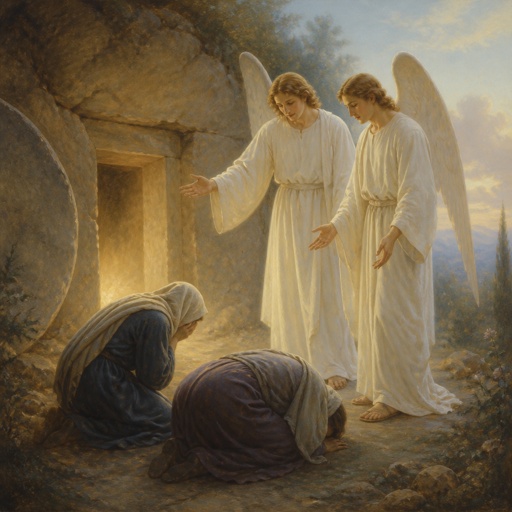
"And as they were afraid, and bowed down their faces to the earth, they said unto them, Why seek ye the living among the dead?" - Luke 24:5

Luke 24:24 - "And certain of them which were with us went to the sepulchre, and found it even so as the women had said: but him they saw not."

Luke 24:3 - "And they entered in, and found not the body of the Lord Jesus."

Luke 23:24 - "And Pilate gave sentence that it should be as they required."

Luke 24:45 - "Then opened he their understanding, that they might understand the scriptures,"

Luke 24:52 - "And they worshipped him, and returned to Jerusalem with great joy:"

Luke 24:16 - "But their eyes were holden that they should not know him."

Luke 24:42 - "And they gave him a piece of a broiled fish, and of an honeycomb."

Luke 24:2 - "And they found the stone rolled away from the sepulchre."

Luke 24:43 - "And he took it, and did eat before them."

Luke 10:5

Luke 10:5

Luke 10:5

Luke 24:37 - "But they were terrified and affrighted, and supposed that they had seen a spirit."

Luke 24:14 - "And they talked together of all these things which had happened."