What does Luke 6:1-5 mean?
"And it came to pass on the second Sabbath after the first, that he went through the corn fields; and his disciples plucked the ears of corn, and did eat, rubbing them in their hands. And certain of the Pharisees said unto them, Why do ye that which is not lawful to do on the sabbath days? And Jesus answering them said, Have ye not read so much as this, what David did, when himself was an hungred, and they which were with him; How he went into the house of God, and did take and eat the shewbread, and gave also to them that were with him; which it is not lawful to eat but for the priests alone? And he said unto them, That the Son of man is Lord also of the sabbath." - Luke 6:1-5
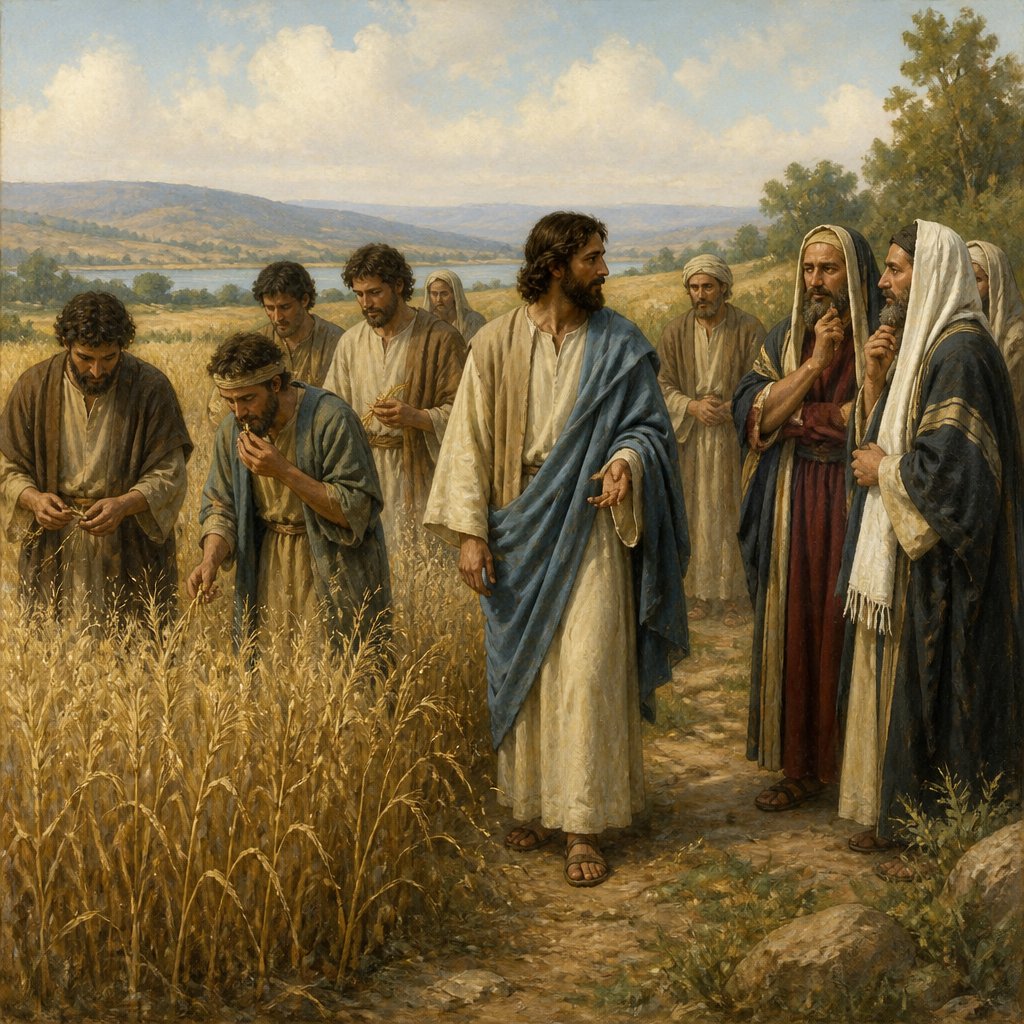
Luke 6:1-5 in the King James Version of the Bible:
"And it came to pass on the second sabbath after the first, that he went through the corn fields; and his disciples plucked the ears of corn, and did eat, rubbing them in their hands. And certain of the Pharisees said unto them, Why do ye that which is not lawful to do on the sabbath days? And Jesus answering them said, Have ye not read so much as this, what David did, when himself was an hungred, and they which were with him; How he went into the house of God, and did take and eat the shewbread, and gave also to them that were with him; which it is not lawful to eat but for the priests alone? And he said unto them, That the Son of man is Lord also of the sabbath."
The passage from Luke 6:1-5 focuses on the theme of authority and interpretation of the law, as well as the significance of the Sabbath in Jewish religious practice. The context of this passage is during a time when Jesus and his disciples are traveling through the countryside, and the disciples are seen plucking ears of corn and eating them. This act draws the attention of the Pharisees, who question why such activity is taking place on the Sabbath, as it is considered unlawful according to Jewish law.
The Pharisees were known for their strict adherence to the Mosaic Law and traditions, and they often scrutinized others' behavior in relation to these laws. In this case, they were quick to condemn Jesus and his disciples for supposedly breaking the Sabbath law by picking and eating the corn on this day of rest.
In response, Jesus challenges the Pharisees' interpretation of the Sabbath law by referencing a story from the Old Testament about David and his companions eating the showbread, a special offering reserved for the priests in the temple. Jesus points out that, according to this story, David and his men broke the law by eating the showbread, yet they were not condemned for it. Jesus is essentially making the point that there are circumstances when human need takes precedence over strict adherence to the law.
By referencing this story, Jesus is asserting his authority to interpret and apply the law in a way that aligns with God's intentions. He further emphasizes his authority by declaring himself as the "Lord of the Sabbath," suggesting that he has the ultimate authority over the Sabbath and its practices. This statement is significant as it asserts Jesus's divinity and role as the ultimate authority in matters of faith and practice.
Symbolically, the act of plucking and eating the corn on the Sabbath can be seen as a metaphor for the freedom and liberation that Jesus brings through his teachings and actions. The disciples' actions may be interpreted as a rejection of legalistic and oppressive interpretations of the Sabbath law, in favor of a more compassionate and merciful understanding of God's intentions. Furthermore, Jesus's assertion of authority over the Sabbath highlights his role as the bringer of a new covenant, in which the old laws are reinterpreted in light of his teachings.
In conclusion, Luke 6:1-5 presents a powerful and thought-provoking scene in which Jesus challenges the traditional interpretation of the Sabbath law, asserting his authority as the ultimate interpreter and fulfiller of God's law. The passage serves as a reminder of the compassionate and merciful nature of Jesus's teachings, and the freedom and liberation that he brings to those who follow him. It also emphasizes the significance of the Sabbath as a symbol of God's rest and the need for a deeper understanding of God's intentions in observing it.
Have questions about Luke 6:1-5?
Dive deeper into this scripture with Bible Chat — an AI-powered tool for exploring God's Word through conversation. Ask questions, get context, and grow in your understanding of the Bible.
Get Our Apps


Luke 6:1-5 Artwork

Luke 6:1-5 - "One Sabbath Jesus was going through the grainfields, and his disciples began to pick some heads of grain, rub them in their hands and eat the kernels. Some of the Pharisees asked, “Why are you doing what is unlawful on the Sabbath?” Jesus answered them, “Have you never read what David did when he and his companions were hungry? He entered the house of God, and taking the consecrated bread, he ate what is lawful only for priests to eat. And he also gave some to his companions.” Then Jesus said to them, “The Son of Man is Lord of the Sabbath.”"
"One Sabbath Jesus was going through the grainfields, and his disciples began to pick some heads of grain, rub them in their hands and eat the kernels. Some of the Pharisees asked, “Why are you doing what is unlawful on the Sabbath?” Jesus answered them, “Have you never read what David did when he and his companions were hungry? He entered the house of God, and taking the consecrated bread, he ate what is lawful only for priests to eat. And he also gave some to his companions.” Then Jesus said to them, “The Son of Man is Lord of the Sabbath.”" - Luke 6:1-5

Isaiah 6:1-5

Isaiah 6:1-5

Isaiah 6:1-5

Isaiah 6:1-5

Luke 5:6 - "And when they had this done, they inclosed a great multitude of fishes: and their net brake."

Luke 6:5 - "And he said unto them, That the Son of man is Lord also of the sabbath."

Luke 5:39

Luke 5:36

Luke 5:1-11

Luke 5:1-11

Luke 8:5-8

Luke 3:1-6

Luke 3:1-6

luke 3:1-6

luke 21:5-19

Luke 5:4-6 – "When he had finished speaking, he said to Simon, 'Put out into deep water, and let down the nets for a catch.'"

luke 21:5-19 with all people of color

luke 21:5-19 with all people of color

luke 21:5-19 with all people of color

Luke 6:1 - "And it came to pass on the second sabbath after the first, that he went through the corn fields; and his disciples plucked the ears of corn, and did eat, rubbing them in their hands."

Proverbs 3:5-6
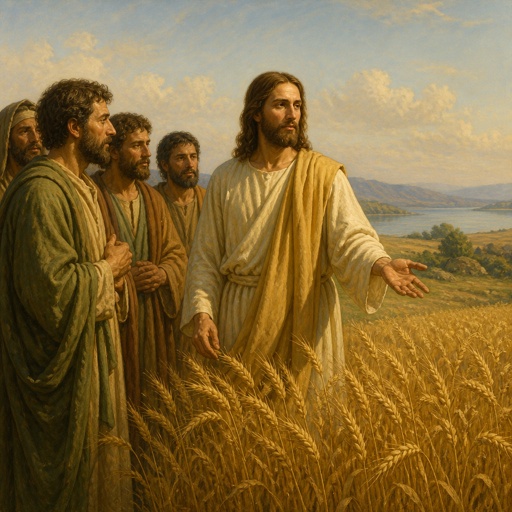
"And he said unto them, That the Son of man is Lord also of the sabbath." - Luke 6:5
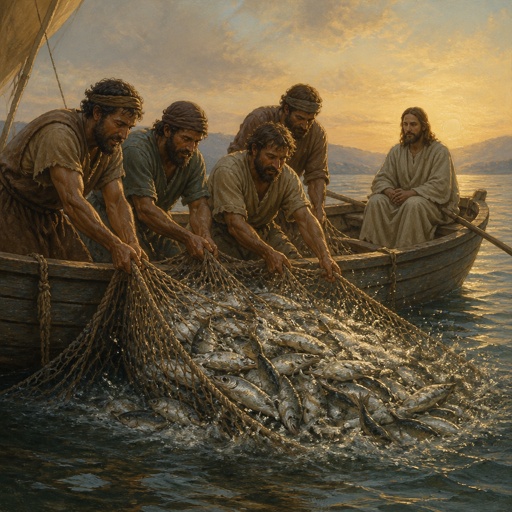
"And when they had this done, they inclosed a great multitude of fishes: and their net brake." - Luke 5:6

Luke 1:6 - "And they were both righteous before God, walking in all the commandments and ordinances of the Lord blameless."

1 Peter 5:6-7

1 Peter 5:6-7

Luke 5:1 - "And it came to pass, that, as the people pressed upon him to hear the word of God, he stood by the lake of Gennesaret,"

1 Chronicles 6:5 - "And Abishua begat Bukki, and Bukki begat Uzzi,"