What does Luke 6:13 mean?
"¶ And when it was day, he called unto him his disciples: and of them he chose twelve, whom also he named apostles;" - Luke 6:13

Luke 6:13 (KJV) states, "And when it was day, he called unto him his disciples: and of them he chose twelve, whom also he named apostles."
This verse comes from the Gospel of Luke, one of the four canonical gospels in the New Testament. In this particular verse, Jesus is depicted as choosing his twelve disciples, whom he also names apostles. This action is significant in the context of Jesus' ministry and has various themes and symbols that can be analyzed and discussed.
One of the main themes that can be extracted from this verse is the idea of divine selection and purpose. Jesus intentionally calls upon his disciples and chooses them to become his apostles, indicating that each of the chosen individuals has a specific role and mission to fulfill within the larger plan of God. This theme of divine selection is prevalent throughout the Bible, highlighting the idea that God has a purpose for each individual and calls upon them to carry out his will.
Another important theme within this verse is the concept of leadership and authority. By choosing twelve disciples to become apostles, Jesus establishes a foundation for leadership within his followers. The apostles are empowered to spread the teachings of Jesus and to lead others in the ways of faith. This reflects the hierarchical structure within the Christian community, with the apostles serving as the first leaders of the early church.
Furthermore, the act of Jesus choosing the twelve disciples and naming them as apostles holds symbolic significance. The number twelve is symbolic in various ways throughout the Bible. It represents completeness and wholeness, as seen in the twelve tribes of Israel and the twelve gates of the New Jerusalem in the book of Revelation. By choosing twelve apostles, Jesus is establishing a new foundation for the people of God, signifying the fulfillment of God's promises and the ushering in of a new era.
Additionally, this verse underscores the importance of community and fellowship within the Christian faith. Jesus calls upon his disciples and forms a close-knit group that will work together to spread the message of the Gospel. This emphasis on communal living and collaboration is central to the teachings of Jesus and is reflected in the early Christian community as described in the Book of Acts.
The context of this verse within the larger narrative of the Gospel of Luke is also significant. In the preceding verses, Jesus spends a night in prayer before choosing the twelve apostles. This highlights the importance of prayer and seeking God's guidance in making important decisions. It also emphasizes the spiritual aspect of leadership, indicating that the apostles' authority is derived from their close relationship with Jesus and their commitment to following his teachings.
In conclusion, Luke 6:13 from the King James Version of the Bible holds significant meaning and symbolism within the Christian faith. The act of Jesus choosing his twelve disciples and naming them as apostles carries themes of divine selection, leadership, community, and fellowship. This verse serves as a foundational moment in the establishment of the early Christian church and continues to hold relevance for believers today. By studying and reflecting on this verse, individuals can gain a deeper understanding of the significance of divine calling and the purpose of leadership within the Christian faith.
Have questions about Luke 6:13?
Dive deeper into this scripture with Bible Chat — an AI-powered tool for exploring God's Word through conversation. Ask questions, get context, and grow in your understanding of the Bible.
Get Our Apps


Luke 6:13 Artwork

Luke 6:13 - "¶ And when it was day, he called unto him his disciples: and of them he chose twelve, whom also he named apostles;"
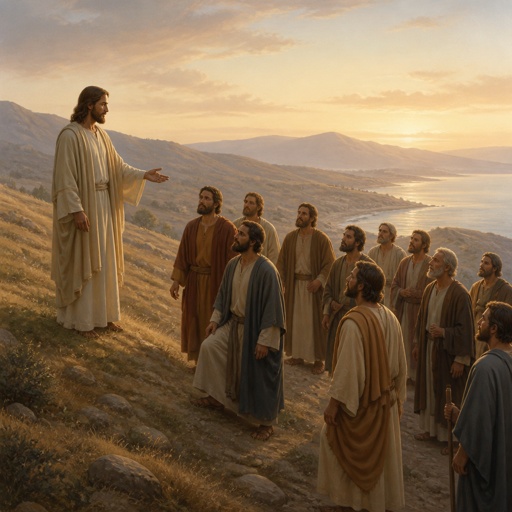
"¶ And when it was day, he called unto him his disciples: and of them he chose twelve, whom also he named apostles;" - Luke 6:13

Luke 13:6-9

Luke 13:6 - "¶ He spake also this parable; A certain man had a fig tree planted in his vineyard; and he came and sought fruit thereon, and found none."

Luke 13:18-19

Luke 13:20-21

Luke 13:18-19

Luke 13:20-21
Luke 13:20-21

Luke 13:20-21

Luke 13:20-21

Luke 8:13

Luke 1:13

Luke 1:13

Luke 8:13

Luke 13:24

Luke 1:13

Luke 8:13

Luke 1:13

Luke 6

Luke 1:13

Luke 2:13

Luke 1:13

Luke 13:13 - "And he laid his hands on her: and immediately she was made straight, and glorified God."

Luke 2:13-14

Luke 16:1-13

Luke 2:13-14

luke 6: 27

luke 6:30

Luke 24:13-35