What does Luke 6:14 mean?
“Simon, ( whom he also named Peter,) and Andrew his brother, James and John, Philip and Bartholomew,” — Luke 6:14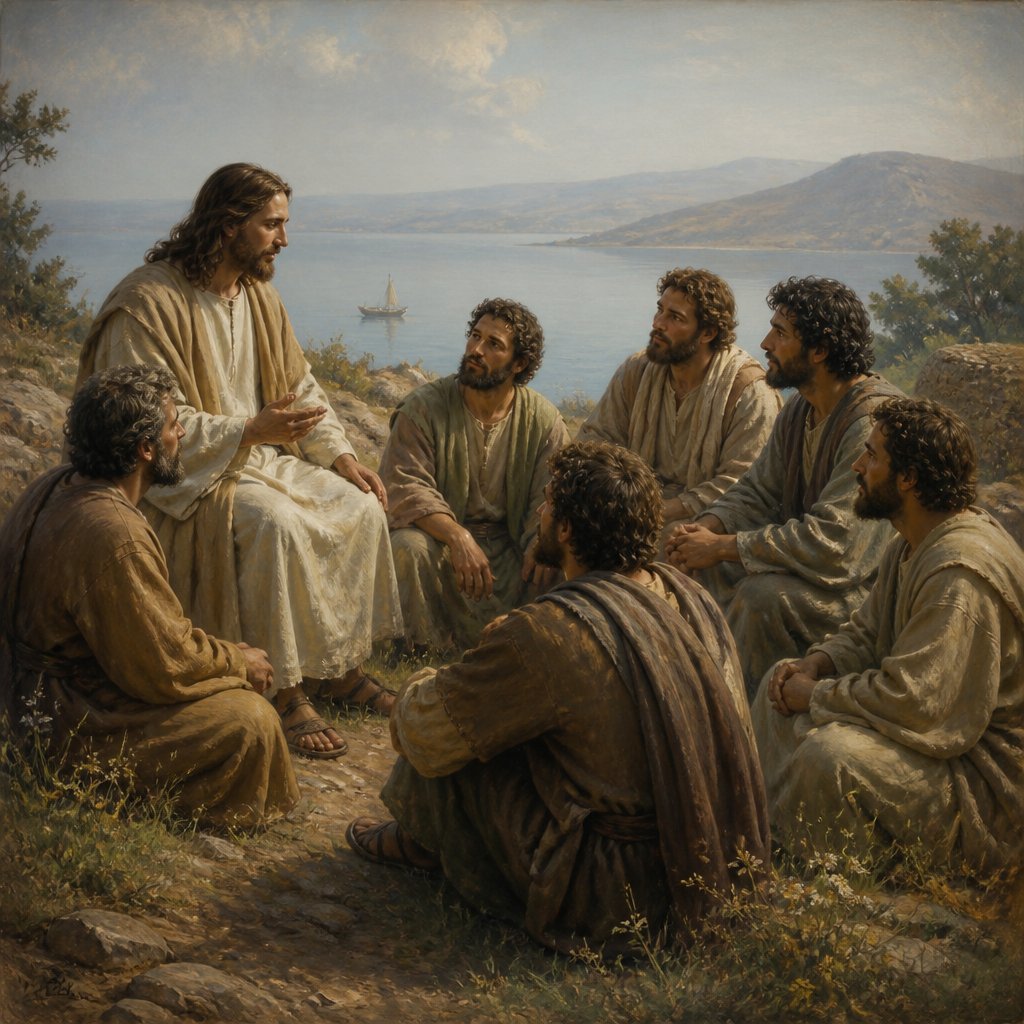
The verse Luke 6:14 from the King James Version of the Bible reads as follows: "Simon, (whom he also named Peter,) and Andrew his brother, James and John, Philip and Bartholomew."
At first glance, this verse may seem like a simple recounting of the names of Jesus' disciples, but upon closer examination, there is much more depth and significance to be found.
A key theme that is present in this verse is the idea of discipleship and the calling of individuals to follow Jesus. It is significant that these particular individuals are listed as Jesus' disciples, as they were the ones chosen by Jesus to accompany him, learn from him, and ultimately carry on his teachings and mission after his departure. By mentioning their names in this verse, the importance of their role in the formation and spread of Christianity is emphasized.
The context in which this verse is situated is also important to consider. In the preceding verses, Jesus spent the night in prayer and then selected his twelve disciples from among his followers. This act of choosing twelve individuals to be his closest companions and messengers is highly symbolic, as it harks back to the twelve tribes of Israel and indicates a new covenant and community being formed through Jesus' ministry.
The naming of Simon, whom Jesus also named Peter, is particularly significant. The name "Peter" means "rock," and in the Gospels, Peter is often portrayed as the leader of the disciples and the one who ultimately becomes the foundational figure in the early Christian church. This naming serves as a foreshadowing of Peter's future role and importance in the spreading of the Christian faith.
The naming of the other disciples also holds symbolic significance. For example, Andrew, who is Peter's brother, is often associated with the spreading of the gospel to the regions of Greece and Asia Minor. James and John, known as the "sons of thunder," were also significant figures in the early Christian church, with James becoming a key leader in the Jerusalem church and John being known as the author of several New Testament writings.
Additionally, the naming of Philip and Bartholomew serves to emphasize the diversity of Jesus' chosen disciples, as they come from different backgrounds and walks of life. This diversity is reflective of Jesus' inclusive message, which reached out to people from all walks of life and encouraged them to come together in a community of faith.
In summary, Luke 6:14 from the King James Version of the Bible is more than a simple list of names. It holds deep symbolic and thematic significance, emphasizing the importance of the disciples in carrying on Jesus' teachings and forming the foundation of the early Christian church. The context in which this verse is situated, as well as the symbolic naming of the disciples, adds layers of meaning that encourage further exploration and reflection. Ultimately, this verse serves as a reminder of the vital role that these individuals played in the formation and spread of Christianity and the enduring impact of their contributions to the faith.
Get our apps


Artwork for Luke 6:14

Luke 6:14 - "Simon, (whom he also named Peter,) and Andrew his brother, James and John, Philip and Bartholomew,"
"Simon, (whom he also named Peter,) and Andrew his brother, James and John, Philip and Bartholomew," - Luke 6:14

Luke 14:6 - "And they could not answer him again to these things."
"And they could not answer him again to these things." - Luke 14:6

Luke 6

Luke 14:14 - "And thou shalt be blessed; for they cannot recompense thee: for thou shalt be recompensed at the resurrection of the just."

Luke 11:14-15

Luke 18:9-14

Luke 11:1-14

Luke 14:25 - 33

Luke 11:1-14

Luke 2:13-14

Luke 18: 9-14

Luke 2:13-14

luke 6: 27

luke 6:30

Colossians 4:14 - "Luke, the beloved physician, and Demas, greet you."

Luke 6: 27-38

Luke 6:21-26

Luke 13:6-9

Luke 3:1-6

Luke 3:1-6

Luke 6:27-38

Luke 6:21-26

luke 3:1-6

Luke 14:30 - "Saying, This man began to build, and was not able to finish."

Luke 24:14 - "And they talked together of all these things which had happened."

Luke 10:14 - "But it shall be more tolerable for Tyre and Sidon at the judgment, than for you."

Luke 14:2 - "And, behold, there was a certain man before him which had the dropsy."

Luke 6:6 - "And it came to pass also on another sabbath, that he entered into the synagogue and taught: and there was a man whose right hand was withered."