What does Luke 6:24 mean?
“But woe unto you that are rich! for ye have received your consolation.” — Luke 6:24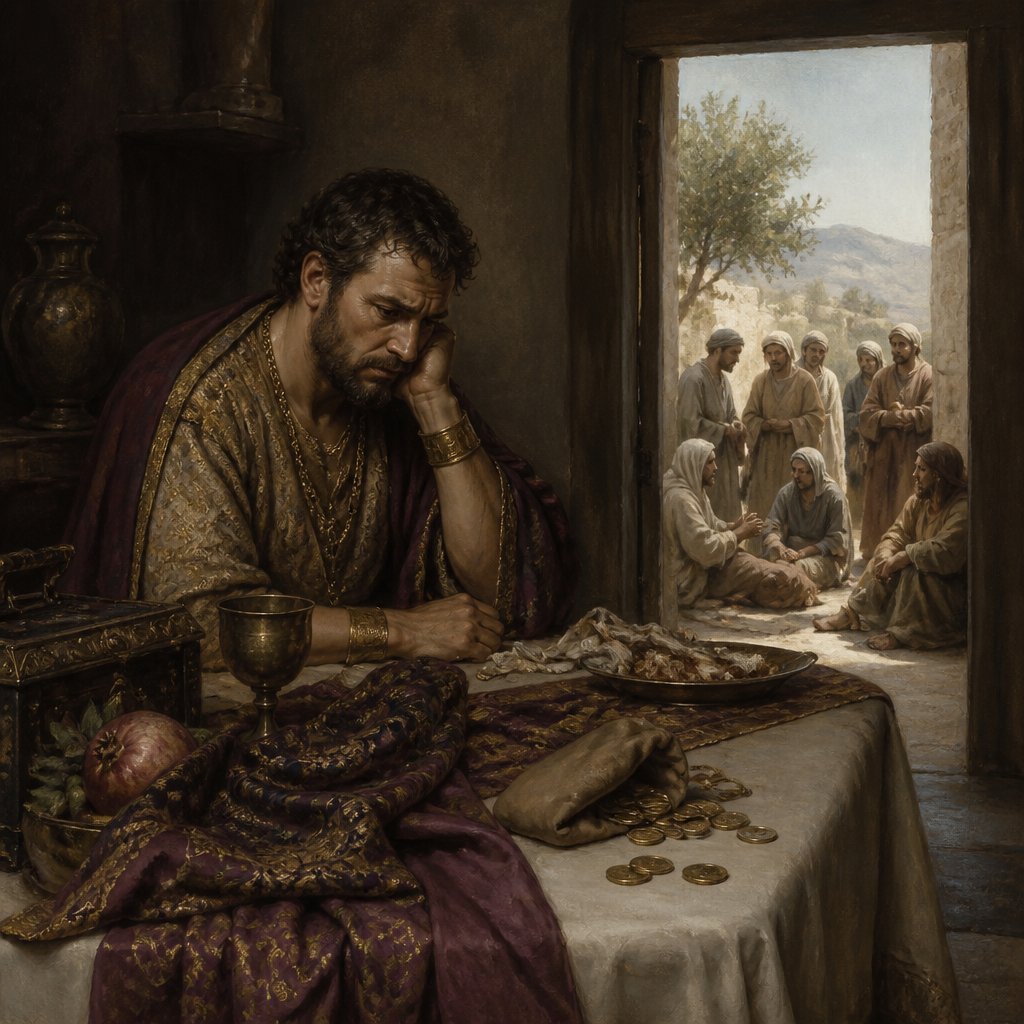
Luke 6:24 in the King James Version (KJV) of the Bible reads: “But woe unto you that are rich! for ye have received your consolation.”
This verse is part of a larger passage in the book of Luke known as the Sermon on the Plain, which is similar to the Sermon on the Mount in the book of Matthew. In this sermon, Jesus delivers a series of teachings and instructions to his disciples and the crowd gathered to hear him speak. The verse in question is part of Jesus’ list of blessings and woes, in which he contrasts the conditions of the rich and the poor.
In this particular verse, Jesus pronounces a “woe” on those who are rich, suggesting that they will face sorrow or distress in the future. This statement may seem surprising to some, as wealth is often perceived as a sign of success and security. However, Jesus’ teaching goes against the cultural understanding of wealth and prosperity. By issuing this warning, Jesus is drawing attention to the potential spiritual dangers of wealth and the temporary nature of earthly riches.
The theme of wealth and its spiritual implications is a common thread throughout the Bible. In various passages, the dangers of wealth, such as greed, pride, and the tendency to trust in material possessions rather than in God, are highlighted. Jesus himself spoke extensively about the challenges that wealth can bring to a person’s spiritual life, often using parables and direct teachings to convey his message. This verse in Luke 6:24 aligns with this broader biblical theme and serves as a reminder of the potential pitfalls of pursuing riches at the expense of one’s relationship with God.
In the broader context of the Sermon on the Plain, this verse is part of a series of contrasts that Jesus presents to the crowd. He begins by pronouncing blessings on the poor, the hungry, the weeping, and the persecuted, and then contrasts them with the rich, the full, the laughing, and those who are well-regarded by others. Through this juxtaposition, Jesus challenges the conventional understanding of prosperity and happiness, suggesting that true fulfillment and blessing are found in a different set of circumstances than those typically valued by the world.
The symbolism in this passage is powerful, as it emphasizes the transient nature of wealth and the need for a deeper, more lasting source of consolation. By using the term “woe,” Jesus is drawing attention to the spiritual perils of wealth, warning that relying on material possessions can lead to disappointment and emptiness. This warning serves as a reminder to prioritize spiritual wealth over earthly riches, echoing Jesus’ teachings in other parts of the Gospels about the treasures of heaven and the perils of storing up treasures on earth.
Overall, Luke 6:24 in the King James Version conveys a potent message about the dangers of wealth and materialism, as well as the true source of consolation and blessing. It challenges readers to reevaluate their priorities and seek a deeper, more enduring form of fulfillment that can only be found in a relationship with God. The verse serves as a call to humility, generosity, and a life centered on spiritual treasures rather than temporary earthly riches. As such, it continues to resonate with believers today, prompting them to consider the true meaning of prosperity and happiness in light of the teachings of Jesus.
Get our apps


Artwork for Luke 6:24

Luke 6:24 - "But woe unto you that are rich! for ye have received your consolation."
"But woe unto you that are rich! for ye have received your consolation." - Luke 6:24

What does Luke 24:6-7 mean? "He is not here, but is risen: remember how he spake unto you when he was yet in Galilee, Saying, The Son of man must be delivered into the hands of sinful men, and be crucified, and the third day rise again." - Luke 24:6-7

Luke 24:6 - "He is not here, but is risen: remember how he spake unto you when he was yet in Galilee,"

Luke 24:6-7 - "He is not here; he has risen! Remember how he told you, while he was still with you in Galilee: ‘The Son of Man must be delivered over to the hands of sinners, be crucified and on the third day be raised again."

Luke 24:1

Luke 24:35

Luke 24:42

Luke 21:24

Luke 13:24

luke 24:17

"He is not here, but is risen: remember how he spake unto you when he was yet in Galilee," - Luke 24:6

"He is not here, but is risen: remember how he spake unto you when he was yet in Galilee," - Luke 24:6

"He is not here, but is risen: remember how he spake unto you when he was yet in Galilee," - Luke 24:6

Luke 24:8 - "And they remembered his words,"

Luke 24:13-35

LUKE 24:41-43

Luke 24:48 - "And ye are witnesses of these things."

Luke 24:5-6 - "In their fright the women bowed down with their faces to the ground, but the men said to them, "Why do you look for the living among the dead? He is not here; he has risen! Remember how he told you, while he was still with you in Galilee."

Luke 24:24 - "And certain of them which were with us went to the sepulchre, and found it even so as the women had said: but him they saw not."

Luke 24:3 - "And they entered in, and found not the body of the Lord Jesus."

Luke 23:24 - "And Pilate gave sentence that it should be as they required."

Luke 24:45 - "Then opened he their understanding, that they might understand the scriptures,"

Luke 24:52 - "And they worshipped him, and returned to Jerusalem with great joy:"

Luke 24:16 - "But their eyes were holden that they should not know him."

Luke 24:42 - "And they gave him a piece of a broiled fish, and of an honeycomb."

Luke 24:2 - "And they found the stone rolled away from the sepulchre."

Luke 24:43 - "And he took it, and did eat before them."

Luke 6

Luke 24:37 - "But they were terrified and affrighted, and supposed that they had seen a spirit."