What does Luke 6:36 mean?
“Be ye therefore merciful, as your Father also is merciful.” — Luke 6:36
The Bible verse Luke 6:36, as it appears in the King James Version (KJV), states:
"Be ye therefore merciful, as your Father also is merciful."
This verse comes from the Gospel of Luke, which is one of the four Gospels in the New Testament that tell the story of the life, teachings, death, and resurrection of Jesus Christ. In this particular verse, Jesus is speaking to his disciples and a large crowd, teaching them about love, compassion, and forgiveness. It is important to understand the context of this verse in order to grasp its full significance and meaning.
The Gospel of Luke, traditionally attributed to Luke the Evangelist, is known for its emphasis on the universal message of Jesus. It highlights Jesus' compassion and concern for the marginalized and oppressed in society. In Luke 6:36, Jesus is urging his followers to emulate the merciful nature of God the Father. This call to be merciful is in line with the larger theme of love and forgiveness that runs throughout the teachings of Jesus.
The verse begins with the phrase "Be ye therefore." This is a call to action, urging the listeners to take a specific course of action. In this case, the action is being merciful. The word "merciful" is derived from the Latin word "misericordia," meaning to have compassion and show kindness to others, especially those who are suffering or in need. This concept of mercy is deeply rooted in the Judeo-Christian tradition and is a fundamental aspect of God's character.
The verse goes on to compare the human followers of Jesus to their heavenly Father, proclaiming that they should be merciful just as He is. This comparison serves as a reminder of the divine standard of mercy and calls for believers to strive to embody this attribute in their own lives. It sets a high moral and ethical expectation for those who seek to follow the teachings of Jesus.
The mention of God the Father in this verse is significant because it emphasizes the divine origin and nature of mercy. According to Christian theology, God is the ultimate source of mercy and compassion. Throughout the Bible, there are numerous examples of God's mercy towards humanity, despite their shortcomings and sins. This verse, therefore, serves as a reminder of God's unmerited mercy and calls his followers to extend this same mercy to others.
The verse is also a reflection of the golden rule, which is a core ethical principle found in many religious and philosophical traditions. The golden rule, summarized as "do unto others as you would have them do unto you," emphasizes the importance of empathy and compassion in human relationships. In Luke 6:36, the call to be merciful echoes this principle, reminding believers to treat others with the same kindness and compassion they desire for themselves.
In terms of symbolism, the verse can be seen as a representation of the overarching theme of redemption and reconciliation in Christianity. The concept of mercy is closely tied to forgiveness and the idea of offering grace to those who have wronged us. As such, this verse serves as a reminder of the transformative power of mercy and the potential for healing and restoration in relationships.
In conclusion, Luke 6:36 from the King James Version of the Bible is a powerful call to action for believers to embody the merciful nature of God in their interactions with others. It reflects the central themes of love, compassion, and forgiveness that are foundational to the teachings of Jesus. This verse serves as a timeless reminder of the moral and ethical imperative to show mercy and kindness to those around us, mirroring the divine mercy of God.
Get our apps


Artwork for Luke 6:36

Luke 6:36 - "Be ye therefore merciful, as your Father also is merciful."

"Be ye therefore merciful, as your Father also is merciful." - Luke 6:36

Luke 5:36

Luke 11.33-36

Luke 7:36-50

Luke 7:36–50

Luke 19:36 - "And as he went, they spread their clothes in the way."

Luke 6:35-36 - "But love your enemies, do good to them, and lend to them without expecting to get anything back. Then your reward will be great, and you will be children of the Most High, because he is kind to the ungrateful and wicked. Be merciful, just as your Father is merciful."

Luke 18:36 - "And hearing the multitude pass by, he asked what it meant."

Luke 17:36 - "Two men shall be in the field; the one shall be taken, and the other left."

Luke 23:36 - "And the soldiers also mocked him, coming to him, and offering him vinegar,"

Luke 8:36 - "They also which saw it told them by what means he that was possessed of the devils was healed."

Luke 10:36 - "Which now of these three, thinkest thou, was neighbour unto him that fell among the thieves?"

Psalms 36 verse 3-6

"And as he went, they spread their clothes in the way." - Luke 19:36

Luke 20:36 - "Neither can they die any more: for they are equal unto the angels; and are the children of God, being the children of the resurrection."

Luke 24:36 - "¶ And as they thus spake, Jesus himself stood in the midst of them, and saith unto them, Peace be unto you."

Job 36:6 - "He preserveth not the life of the wicked: but giveth right to the poor."

Luke 3:36 - "Which was the son of Cainan, which was the son of Arphaxad, which was the son of Sem, which was the son of Noe, which was the son of Lamech,"
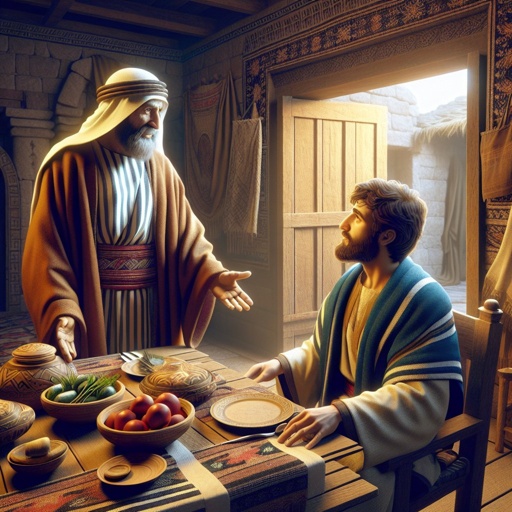
Luke 7:36 - "¶ And one of the Pharisees desired him that he would eat with him. And he went into the Pharisee's house, and sat down to meat."

1 Chronicles 6:36 - "The son of Elkanah, the son of Joel, the son of Azariah, the son of Zephaniah,"

Judges 6:36-40 – Gideon’s fleece test for dew.
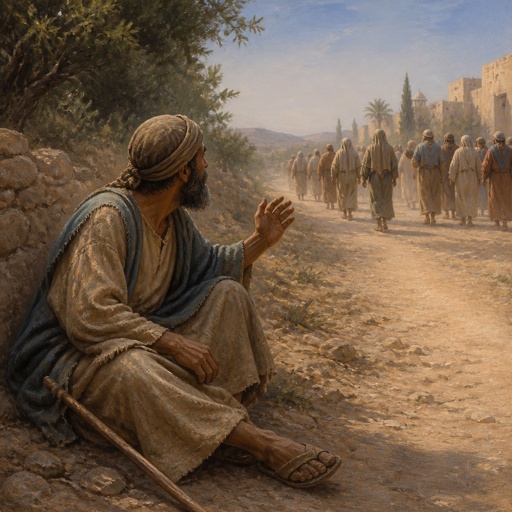
"And hearing the multitude pass by, he asked what it meant." - Luke 18:36

John 6:36 - "But I said unto you, That ye also have seen me, and believe not."

Luke 4:36 - "And they were all amazed, and spake among themselves, saying, What a word is this! for with authority and power he commandeth the unclean spirits, and they come out."

Luke 6

Luke 1:36 - "And, behold, thy cousin Elisabeth, she hath also conceived a son in her old age: and this is the sixth month with her, who was called barren."

Luke 2:36 - "And there was one Anna, a prophetess, the daughter of Phanuel, of the tribe of Aser: she was of a great age, and had lived with an husband seven years from her virginity;"

Luke 9:36 - "And when the voice was past, Jesus was found alone. And they kept it close, and told no man in those days any of those things which they had seen."

1 Kings 6:36 - "¶ And he built the inner court with three rows of hewed stone, and a row of cedar beams."