What does Luke 6:7 mean?
“And the scribes and Pharisees watched him, whether he would heal on the sabbath day; that they might find an accusation against him.” — Luke 6:7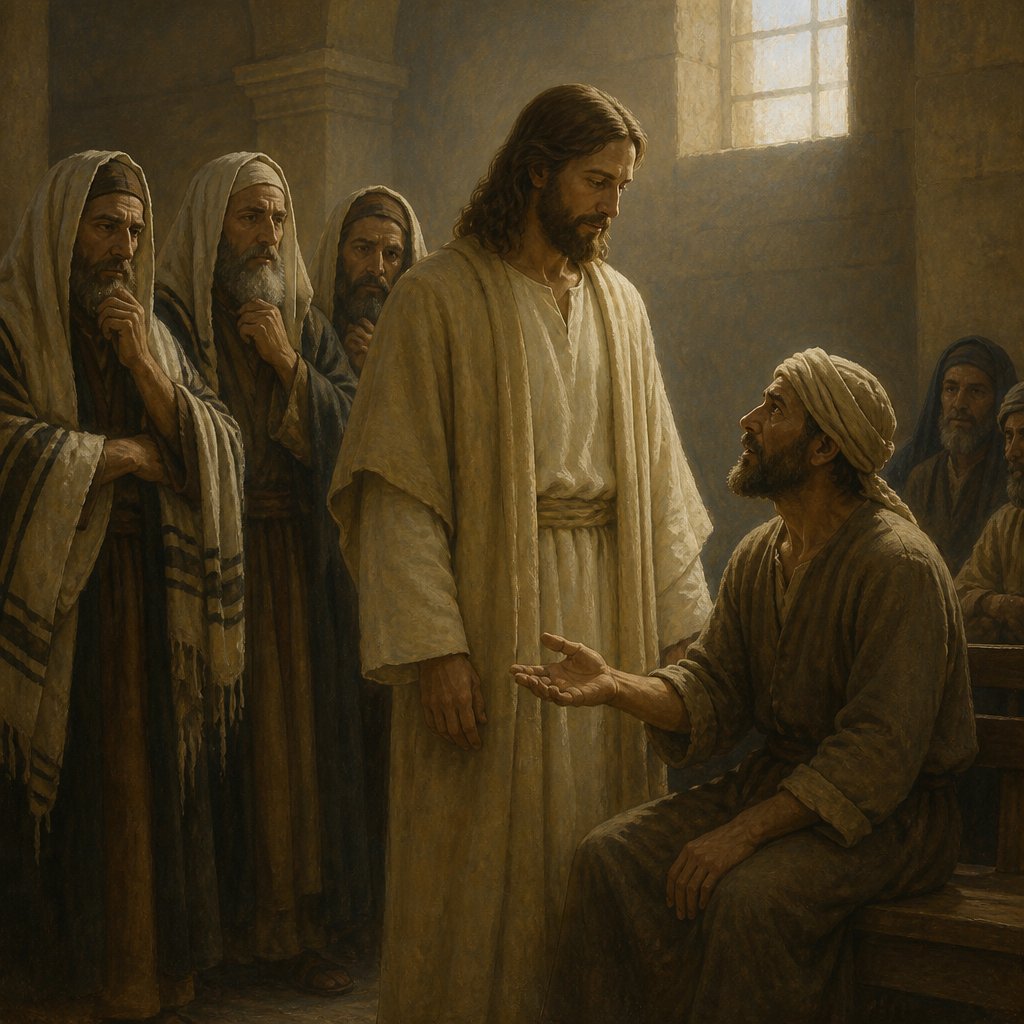
The Bible verse Luke 6:7, from the King James Version (KJV), reads, "And the scribes and Pharisees watched him, whether he would heal on the sabbath day; that they might find an accusation against him." This verse comes from the Gospel of Luke, which is the third book in the New Testament. The Gospel of Luke was written by Luke, a physician and companion of the apostle Paul. It is considered one of the synoptic gospels, along with Matthew and Mark, and it focuses on the life, teachings, and miracles of Jesus Christ.
The verse Luke 6:7 takes place in the context of the ongoing conflict between Jesus and the Jewish religious leaders, particularly the scribes and Pharisees. Throughout the Gospels, we see the scribes and Pharisees constantly questioning Jesus and trying to find fault with him. In this specific instance, they are watching Jesus closely to see if he will heal on the Sabbath, which was a day of rest and a time when no work was supposed to be done according to Jewish law.
The scribes and Pharisees were looking for an accusation against Jesus, hoping to catch him breaking the Sabbath law so they could accuse him of wrongdoing. They were more concerned with adhering to their legalistic interpretation of the law than with recognizing the compassion and mercy that Jesus was showing to those in need. This verse reflects the ongoing tension between Jesus and the religious leaders of his time, and the different interpretations of the law and its application.
This passage also highlights the larger theme of compassion and mercy that runs throughout the Gospels. Jesus consistently showed compassion and performed miracles for those in need, regardless of the day or the circumstances. In this particular instance, he demonstrated his willingness to heal on the Sabbath, emphasizing the importance of meeting the needs of others and showing love and mercy, even at the risk of facing opposition from religious authorities.
The verse also serves as a reminder of the larger message Jesus preached throughout his ministry – a message of love, forgiveness, and reconciliation. Jesus consistently challenged the legalistic and hypocritical attitudes of the religious elite, calling for a deeper understanding of God's law that prioritized mercy and compassion. This verse serves as a warning against rigid and legalistic interpretations of the law that can lead to judgment and condemnation rather than grace and forgiveness.
In addition to its historical and theological significance, this verse also holds symbolic value. It serves as a reflection of the broader conflict between legalism and grace, highlighting the tension between religious tradition and the transformative power of Jesus' teachings. The scribes and Pharisees represent the legalistic tendencies of human nature, while Jesus embodies the embodiment of God's grace and mercy.
In conclusion, Luke 6:7 from the King James Version of the Bible is a verse that captures the ongoing conflict between Jesus and the religious leaders of his time, as well as the broader themes of compassion, mercy, and the tension between legalism and grace. It serves as a powerful reminder of the transformative power of Jesus' teachings and his unwavering commitment to showing love and compassion to those in need, even in the face of opposition. This verse continues to challenge us to examine our own attitudes towards the law and how they align with the message of love and forgiveness that Jesus brought to the world.
Get our apps


Artwork for Luke 6:7

Luke 6:7 - "And the scribes and Pharisees watched him, whether he would heal on the sabbath day; that they might find an accusation against him."
"And the scribes and Pharisees watched him, whether he would heal on the sabbath day; that they might find an accusation against him." - Luke 6:7
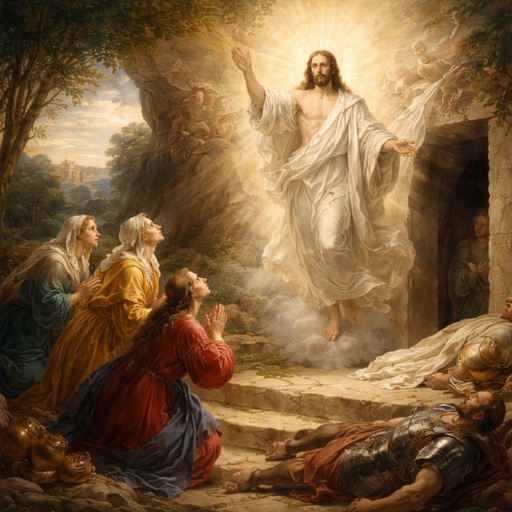
What does Luke 24:6-7 mean? "He is not here, but is risen: remember how he spake unto you when he was yet in Galilee, Saying, The Son of man must be delivered into the hands of sinful men, and be crucified, and the third day rise again." - Luke 24:6-7

Luke 12:6-7 - "Are not five sparrows sold for two pennies? Yet not one of them is forgotten by God. Indeed, the very hairs of your head are all numbered. Don’t be afraid; you are worth more than many sparrows."

Luke 24:6-7 - "He is not here; he has risen! Remember how he told you, while he was still with you in Galilee: ‘The Son of Man must be delivered over to the hands of sinners, be crucified and on the third day be raised again."

Luke 7:6 - "Then Jesus went with them. And when he was now not far from the house, the centurion sent friends to him, saying unto him, Lord, trouble not thyself: for I am not worthy that thou shouldest enter under my roof:"

Luke 6

Luke 7:33

luke 6:30

luke 6: 27

Luke 7:50

Luke 7:50

Luke 7:36-50

Luke 6: 27-38

Luke 6:21-26

Luke 13:6-9

Luke 3:1-6

Luke 3:1-6

Luke 7:41-47

Luke 6:27-38

Luke 6:21-26

luke 3:1-6

Luke 15: 4-7

Luke 7:36–50

Luke 20:7 - "And they answered, that they could not tell whence it was."

Luke 14:6 - "And they could not answer him again to these things."

Luke 7:35 - "But wisdom is justified of all her children."

Luke 6:6 - "And it came to pass also on another sabbath, that he entered into the synagogue and taught: and there was a man whose right hand was withered."

Luke 6:18 - "And they that were vexed with unclean spirits: and they were healed."

Luke 3:6 - "And all flesh shall see the salvation of God."