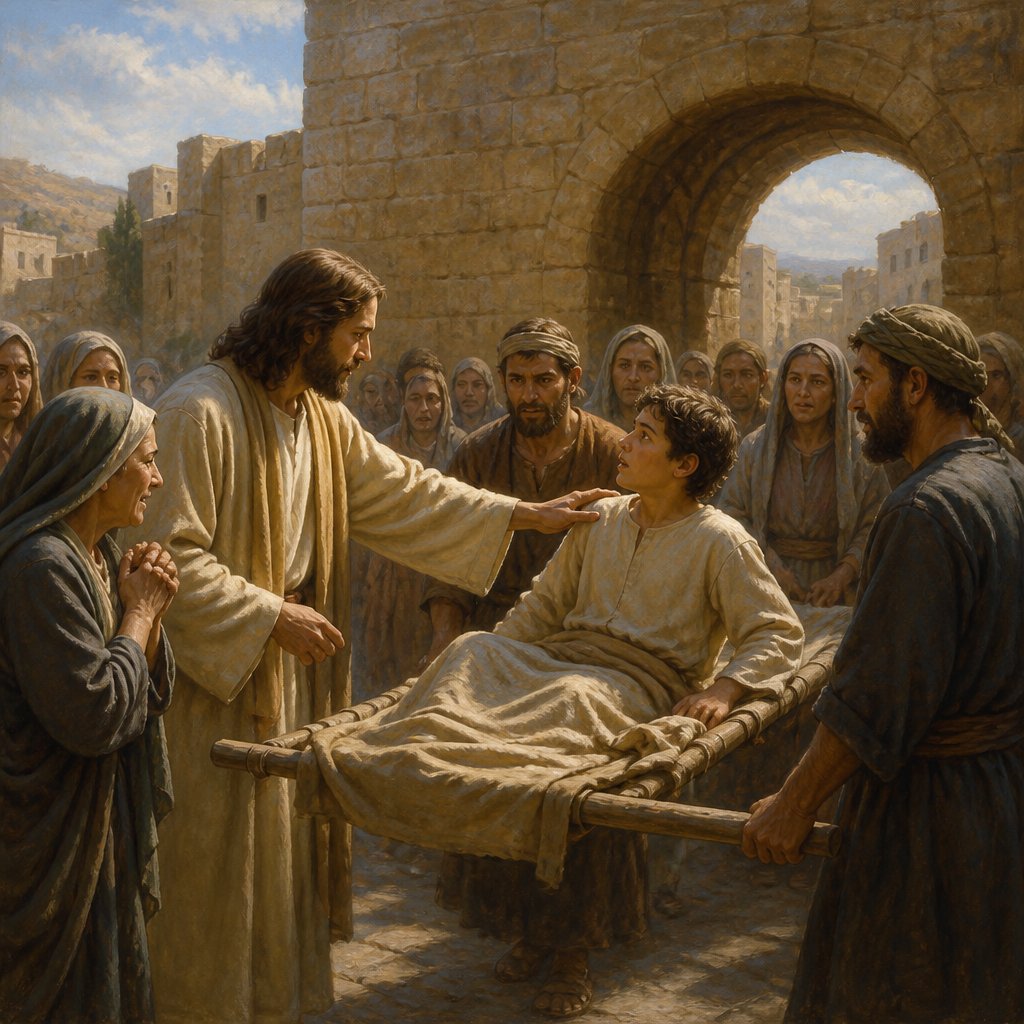
Luke 7:12-15 in the King James Version reads:
"12 Now when he came nigh to the gate of the city, behold, there was a dead man carried out, the only son of his mother, and she was a widow: and much people of the city was with her.
13 And when the Lord saw her, he had compassion on her, and said unto her, Weep not.
14 And he came and touched the bier: and they that bare him stood still. And he said, Young man, I say unto thee, Arise.
15 And he that was dead sat up, and began to speak. And he delivered him to his mother."
This passage from the Book of Luke presents a powerful and moving story of Jesus' compassion and miraculous healing. It is rich in themes of compassion, grief and loss, and the power of Jesus as a healer and savior. The context of this passage takes place during Jesus' ministry, as he traveled from town to town, teaching and performing miracles to reveal his divinity and offer salvation to all who believe in him.
The scene that Luke describes is one of immense sorrow and despair. A funeral procession is leaving the city, where a widow is grieving the loss of her only son. The fact that she is a widow and has lost her only son implies that she is now left without any source of support or security in a society where such losses were devastating. The presence of "much people of the city" with her emphasizes the communal nature of grief and the vastness of her loss. It sets the stage for the challenging situation that Jesus encounters, showing the depth of the widow's suffering and the need for divine intervention.
In the face of this tragedy, Jesus is moved by compassion. This emphasizes the idea that Jesus is not a distant or indifferent deity, but one who deeply understands and empathizes with human suffering. When he tells the grieving mother, "Weep not," it reveals his power and authority to bring comfort and hope even in the darkest moments of life. This serves as a reminder of his role as the ultimate source of solace and restoration, offering healing and relief to those in despair.
As Jesus approaches the funeral procession, he takes a deliberate and purposeful action by touching the bier. This was a bold move, as touching a dead body was strictly forbidden in Jewish custom. This act demonstrates Jesus' authority over death and his ability to bring life and restoration. By commanding the dead to arise, Jesus reveals his unmatched power and divine nature. The fact that the dead man not only sat up but also began to speak serves as a testament to the miraculous nature of Jesus' power.
The true miracle, however, is not just the physical restoration of the dead man, but also the emotional and spiritual restoration of the widow. By delivering her son back to her, Jesus not only demonstrates his ability to conquer death but also serves as a source of hope and renewal for the grieving mother. This act reveals the profound impact of Jesus' compassion and healing, extending beyond physical ailments to encompass all aspects of human suffering and despair.
Symbolically, this passage speaks to the larger themes of resurrection and the promise of new life that Jesus brings. The resurrection of the dead man echoes the future hope of all believers in the resurrection of the dead and the eternal life promised by Jesus. The widow's profound grief and loss also symbolize the human condition, marked by suffering and despair, and the need for divine intervention and salvation.
In conclusion, Luke 7:12-15 captures the heart of Jesus' ministry, emphasizing his compassion, power, and ability to bring life out of death. It serves as a powerful reminder of the hope and restoration that Jesus offers to all who are suffering and in need. This passage continues to resonate and inspire believers, reminding them of the limitless power and compassion of Jesus as the ultimate healer and savior.
Get our apps


Artwork for Luke 7:12-15

Luke 7:12-15 - "As he approached the town gate, a dead person was being carried out—the only son of his mother, and she was a widow. And a large crowd from the town was with her. When the Lord saw her, his heart went out to her and he said, “Don’t cry.” Then he went up and touched the bier they were carrying him on, and the bearers stood still. He said, “Young man, I say to you, get up!” The dead man sat up and began to talk, and Jesus gave him back to his mother."
"As he approached the town gate, a dead person was being carried out—the only son of his mother, and she was a widow. And a large crowd from the town was with her. When the Lord saw her, his heart went out to her and he said, “Don’t cry.” Then he went up and touched the bier they were carrying him on, and the bearers stood still. He said, “Young man, I say to you, get up!” The dead man sat up and began to talk, and Jesus gave him back to his mother." - Luke 7:12-15

Luke 15: 4-7

Luke 7:15 - "And he that was dead sat up, and began to speak. And he delivered him to his mother."

Luke 12:15 - "And he said unto them, Take heed, and beware of covetousness: for a man's life consisteth not in the abundance of the things which he possesseth."

Luke 12:7 - "But even the very hairs of your head are all numbered. Fear not therefore: ye are of more value than many sparrows."

Luke 15:12 - "And the younger of them said to his father, Father, give me the portion of goods that falleth to me. And he divided unto them his living."

Luke 7:12 - "Now when he came nigh to the gate of the city, behold, there was a dead man carried out, the only son of his mother, and she was a widow: and much people of the city was with her."
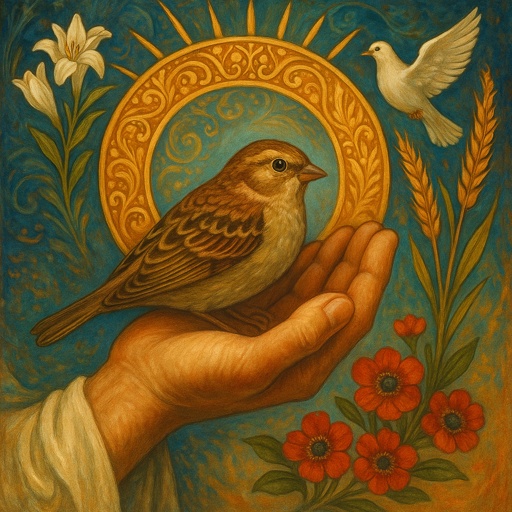
"But even the very hairs of your head are all numbered. Fear not therefore: ye are of more value than many sparrows." - Luke 12:7

Luke 15:7 - "I say unto you, that likewise joy shall be in heaven over one sinner that repenteth, more than over ninety and nine just persons, which need no repentance."

"And he that was dead sat up, and began to speak. And he delivered him to his mother." - Luke 7:15

Luke 12:6-7 - "Are not five sparrows sold for two pennies? Yet not one of them is forgotten by God. Indeed, the very hairs of your head are all numbered. Don’t be afraid; you are worth more than many sparrows."
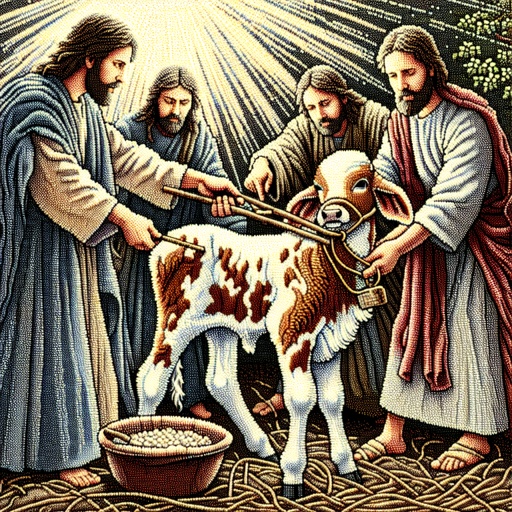
Luke 15:23

Luke 15:10

Luke 15:21

Luke 15:21

Luke 12:25

Luke 12:25

Luke 12: 49

Luke 12:34

Luke 12:10

Luke 12:50

Luke 11:14-15

Luke 21:15-19

Luke 15:11-32
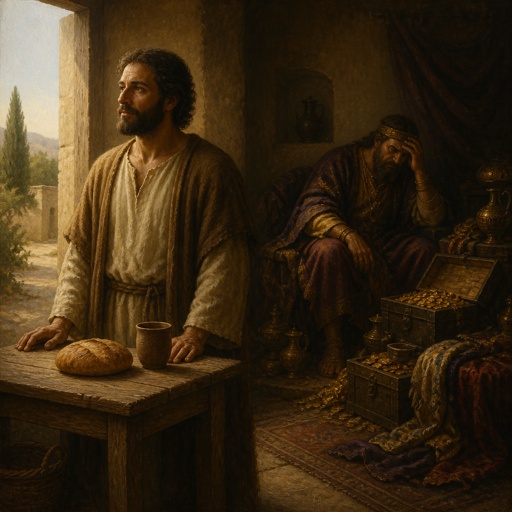
"And he said unto them, Take heed, and beware of covetousness: for a man's life consisteth not in the abundance of the things which he possesseth." - Luke 12:15

Luke 7:33

Luke 7:50

Luke 7:50

Luke 15:15 - "And he went and joined himself to a citizen of that country; and he sent him into his fields to feed swine."