What does Luke 7:13 mean?
"And when the Lord saw her, he had compassion on her, and said unto her, Weep not." - Luke 7:13

The Bible verse Luke 7:13 from the King James Version (KJV) reads, "And when the Lord saw her, he had compassion on her, and said unto her, 'Weep not.'” This verse is taken from the account of a miraculous healing performed by Jesus Christ in the town of Nain.
The context of this verse is set in the midst of a funeral procession, as Jesus and his disciples encounter a large crowd surrounding a widow who has lost her only son. This woman is grieving the loss of her child, and the people around her are mourning with her. The scene is one of deep sorrow and hopelessness, as the woman is now left without any means of support or security in a society that valued male inheritance and protection.
The theme of compassion is central to this verse, as it highlights the deep empathy and care that Jesus had for the widow in her time of need. The imagery of Jesus "seeing" the woman conveys the idea that he truly understood and felt her pain. The word "compassion" in the original Greek text is "σπλαγχνισθεὶς" (splanchnizomai), which carries the connotation of being deeply moved in the inward parts, particularly the bowels or heart. This demonstrates the profound emotional response that Jesus experienced upon witnessing the bereaved widow.
The act of speaking to the woman and telling her, "Weep not," is a powerful expression of Jesus’ authority and ability to bring comfort and peace in the midst of despair. By addressing her directly, Jesus demonstrates his personal concern for her well-being and his desire to alleviate her suffering. This statement also reveals Jesus’ divine power to bring about a change in the woman’s circumstances, offering her hope and encouragement in the face of overwhelming grief.
The symbolism within this verse is significant, as it points to the broader themes of Jesus’ identity as the compassionate Savior and the source of healing and restoration. The widow represents all those who are suffering and marginalized, facing the pain of loss and despair. Her son’s death symbolizes the brokenness and mortality of humanity, as well as the loss of hope and future. In this context, Jesus’ intervention and miraculous act of raising the young man back to life serve as a powerful symbol of his ability to bring about new life and hope in the face of death and despair.
The overarching message of Luke 7:13 is one of hope, comfort, and restoration. It reveals Jesus as the embodiment of God’s compassion and mercy, reaching out to those who are in need and offering them the promise of a better future. The verse encourages believers to trust in the power of Jesus to bring about transformation and healing in their lives, even in the midst of the most dire circumstances.
In conclusion, Luke 7:13 from the King James Version showcases the profound compassion and divine power of Jesus Christ in the face of human suffering and despair. It serves as a reminder of God’s love and care for His people, and the hope and healing that can be found in His presence. The verse invites believers to turn to Jesus in their times of need, confident in His ability to bring about miraculous change and restoration.
Have questions about Luke 7:13?
Dive deeper into this scripture with Bible Chat — an AI-powered tool for exploring God's Word through conversation. Ask questions, get context, and grow in your understanding of the Bible.
Get Our Apps


Luke 7:13 Artwork

Luke 7:13 - "And when the Lord saw her, he had compassion on her, and said unto her, Weep not."

Luke 7:13 (KJVA) 13 And when the Lord saw her, he had compassion on her, and said unto her, Weep not.

"And when the Lord saw her, he had compassion on her, and said unto her, Weep not." - Luke 7:13

Luke 13:7 - "Then said he unto the dresser of his vineyard, Behold, these three years I come seeking fruit on this fig tree, and find none: cut it down; why cumbereth it the ground?"

Luke 13:18-19

Luke 13:20-21

Luke 13:20-21

Luke 13:18-19
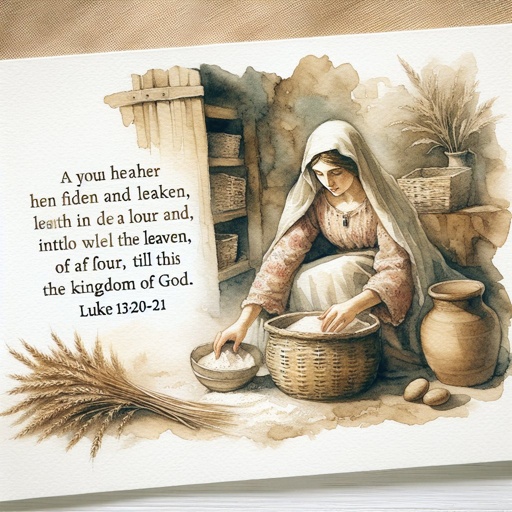
Luke 13:20-21

Luke 13:20-21

Luke 13:20-21

Luke 1:13

Luke 1:13

Luke 8:13

Luke 13:24

Luke 8:13

Luke 1:13

Luke 1:13

Luke 8:13

Luke 1:13

Luke 2:13

Luke 1:13

Luke 13:13 - "And he laid his hands on her: and immediately she was made straight, and glorified God."

Luke 2:13-14

Luke 13:6-9

Luke 16:1-13

Luke 2:13-14

Luke 7:33

Luke 7:50

Luke 7:50