What does Luke 7:18 mean?
“And the disciples of John shewed him of all these things.” — Luke 7:18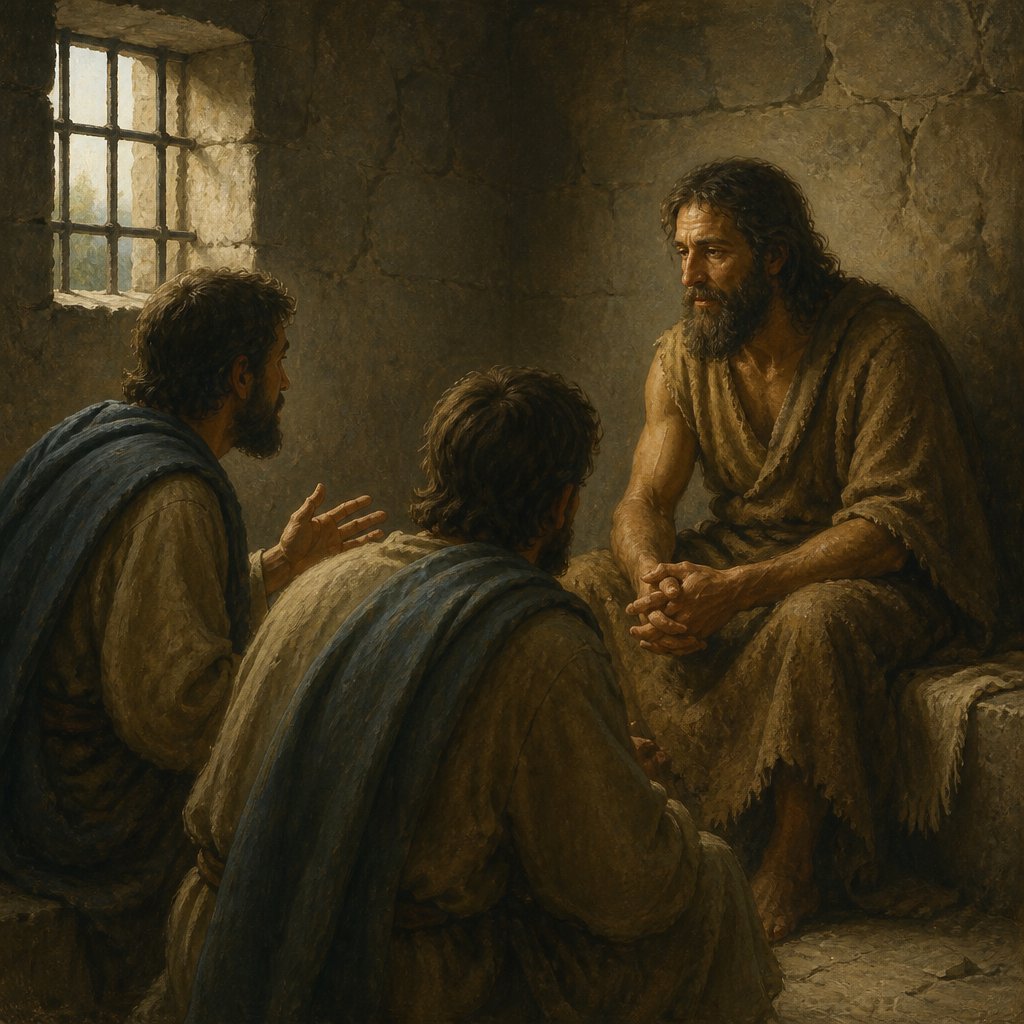
In Luke 7:18, John the Baptist sends two of his disciples to ask Jesus, "Art thou he that should come? or look we for another?" This verse comes in the context of John the Baptist's ministry and his growing uncertainty about Jesus' role as the Messiah. It opens up a dialogue about faith, doubt, and the manifestation of God's kingdom on earth.
To fully understand the significance of this verse, it is essential to delve into the broader narrative of Luke 7. John the Baptist, the forerunner of Jesus, had been prophesying about the coming of the Messiah and preparing the way for his arrival. However, in this passage, we find John in a dark place. He has been imprisoned by Herod Antipas, and his faith in Jesus as the promised Messiah is wavering. This moment of doubt is a stark contrast to John's previous unequivocal proclamation of Jesus as the "Lamb of God who takes away the sin of the world" (John 1:29).
The question posed by John's disciples reflects not only John's uncertainty but also the broader expectation of the Jewish people regarding the arrival of the Messiah. The Jews were anticipating a conquering king who would liberate them from Roman oppression and establish an earthly kingdom. However, Jesus' ministry did not align with these expectations, and this led to confusion and doubt, even among those who had initially believed in him.
Jesus' response to John's disciples is incredibly revealing. He does not rebuke John for his doubts, nor does he offer a direct affirmation of his messianic identity. Instead, Jesus points to the evidence of his actions and their alignment with Old Testament prophecies. He tells John's disciples to report what they have seen and heard: the blind receive sight, the lame walk, the lepers are cleansed, the deaf hear, the dead are raised, and the poor have the gospel preached to them. These miraculous deeds are in line with the Messianic prophecies in Isaiah 35:5-6 and 61:1, and they serve as tangible evidence of Jesus' identity as the Anointed One.
The theme of faith and doubt is central to this passage. John, despite his unwavering commitment to his ministry, experiences a moment of uncertainty. His situation serves as a reminder that even the most faithful servants of God can grapple with doubts, especially in the face of adversity and unmet expectations. Jesus' response underscores the importance of looking beyond our immediate circumstances and trusting in the evidence of God's work in our lives, even when it does not align with our preconceived notions of how things should unfold.
The context of Luke 7:18 also illuminates the contrast between the earthly kingdom anticipated by the Jews and the spiritual kingdom inaugurated by Jesus. While the Jews were longing for a political savior, Jesus came to establish the reign of God in the hearts of people. His miracles and teachings were not merely about addressing physical ailments or social injustices; they were also about ushering in a new way of being and relating to God, centered on love, repentance, and spiritual transformation.
Symbolically, this passage can be interpreted as a call to look beyond the external trappings of power and success and recognize the presence of God's kingdom in unexpected and unconventional ways. It challenges us to reevaluate our expectations of God and remain open to the ways in which his purposes unfold in our lives and in the world.
In conclusion, Luke 7:18 provides a poignant insight into the complexities of faith and doubt, as well as the nuanced nature of Jesus' messianic identity. It prompts us to examine our own expectations and preconceptions about God's work and to embrace a deeper trust in the transformative power of his kingdom. Ultimately, this passage reminds us that the manifestation of God's purposes often defies human understanding and calls for a steadfast faith that transcends earthly circumstances.
Get our apps


Artwork for Luke 7:18
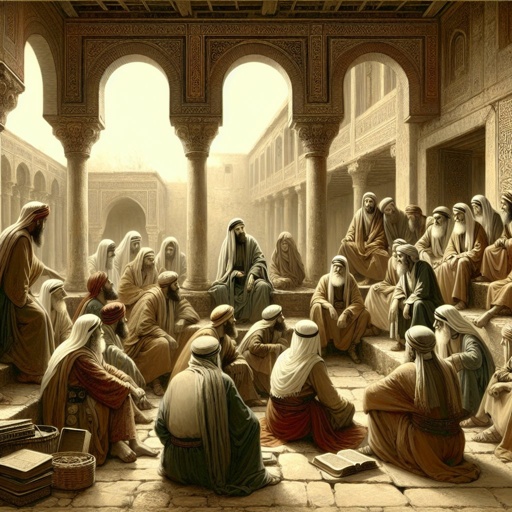
Luke 7:18 - "And the disciples of John shewed him of all these things."
"And the disciples of John shewed him of all these things." - Luke 7:18

Luke 18:7 - "And shall not God avenge his own elect, which cry day and night unto him, though he bear long with them?"

Luke 10:18-19

Luke 13:18-19

Luke 10:18-19

Luke 10:18-19

Luke 13:18-19

Luke 10:18-19

Luke 10:18-19

Luke 10:18-19

Luke 4:18

Luke 4:18

Luke 18: 9-14

Luke 8:4-18

Luke 10:18-19

Luke 18:9-14

Luke 18:37 - "And they told him, that Jesus of Nazareth passeth by."

Luke 18:18 - "And a certain ruler asked him, saying, Good Master, what shall I do to inherit eternal life?"

Luke 21:18 - "But there shall not an hair of your head perish."

Luke 18:26 - "And they that heard it said, Who then can be saved?"

Luke 7:33

Luke 7:50

Luke 7:50
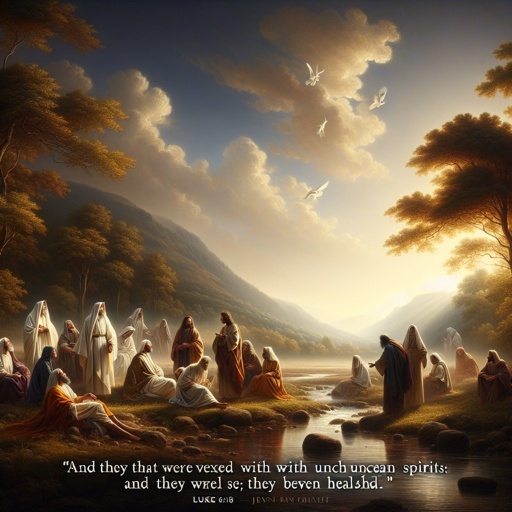
Luke 6:18 - "And they that were vexed with unclean spirits: and they were healed."
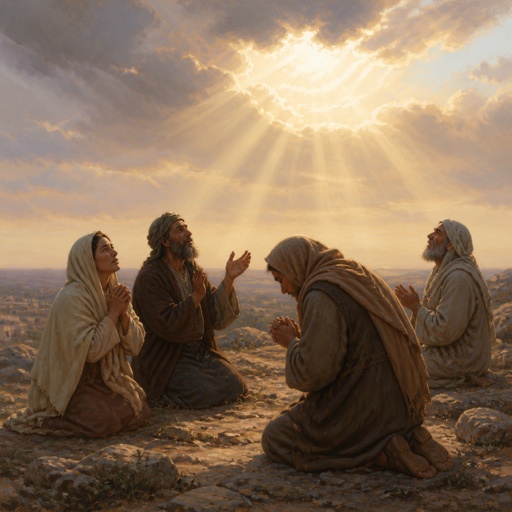
"And shall not God avenge his own elect, which cry day and night unto him, though he bear long with them?" - Luke 18:7

John 7:17-18

John 7:17-18

Luke 17:18 - "There are not found that returned to give glory to God, save this stranger."

Luke 18:36 - "And hearing the multitude pass by, he asked what it meant."