What does Luke 7:43 mean?
“Simon answered and said, I suppose that he, to whom he forgave most. And he said unto him, Thou hast rightly judged.” — Luke 7:43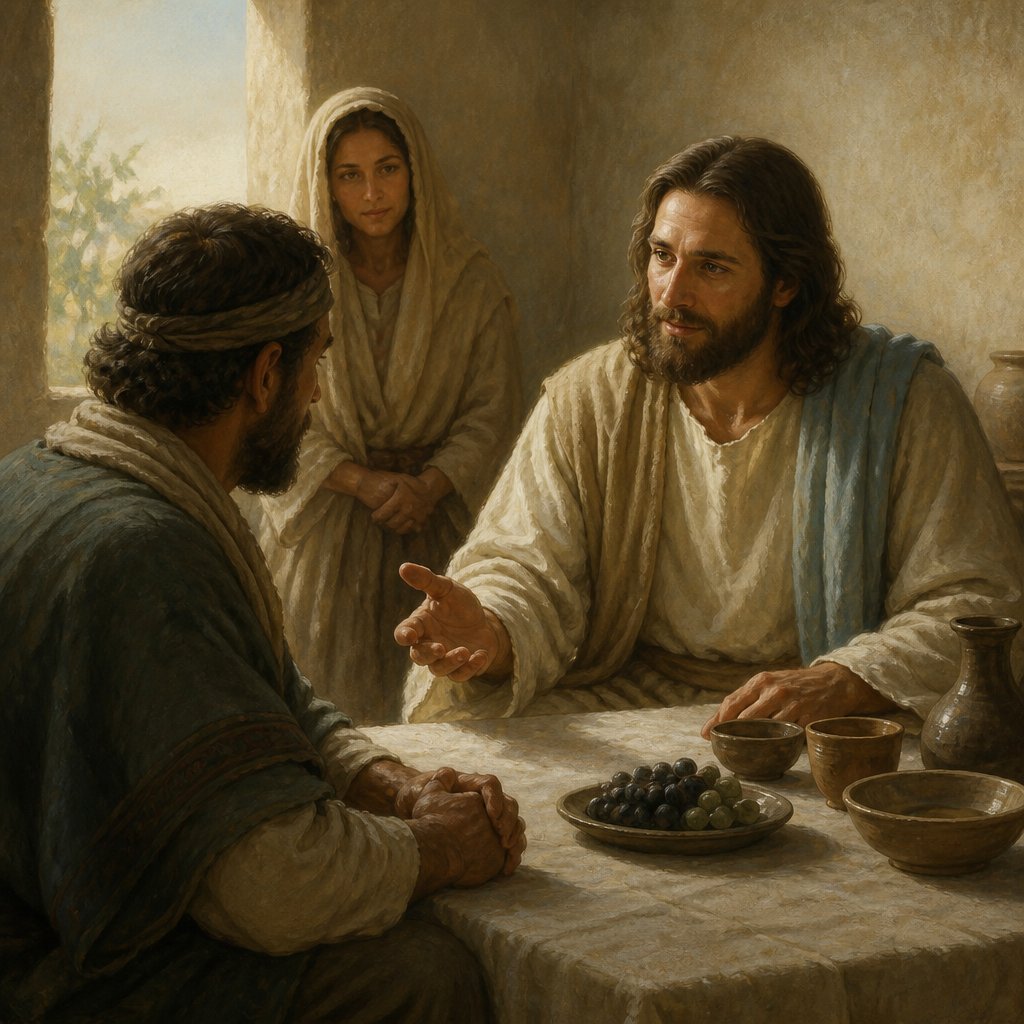
Luke 7:43 (KJV) says, "Simon answered and said, I suppose that he, to whom he forgave most. And he said unto him, Thou hast rightly judged."
This verse comes from a parable told by Jesus to Simon, a Pharisee, who had invited him to his house for a meal. Jesus tells the parable of two men who owed money to a moneylender. One owed 500 denarii and the other 50. When the moneylender forgave the debts of both men, Jesus asked Simon, "Which of them will love him more?" Simon correctly answered that the one who was forgiven more would love the moneylender more, and Jesus commended him for his judgment.
This parable and the subsequent discussion with Simon reveal important themes and insights into the nature of forgiveness, gratitude, and love. The context of this verse is crucial for understanding its full meaning and implications. The dinner at Simon's house provided the setting for Jesus to challenge the attitudes and beliefs of the religious leaders of his time, especially regarding forgiveness and righteousness.
One of the main themes of this verse and the parable is the concept of forgiveness and the response it elicits from the forgiven. By using the analogy of debt, Jesus highlights the idea that those who have been forgiven much have a greater capacity for love and gratitude. In this context, the forgiveness of sins is the ultimate debt that is owed, and those who recognize the magnitude of their forgiven sins are more likely to respond with deep love and gratitude towards God.
The parable also addresses the issue of self-righteousness and judgment. Simon, as a Pharisee, likely prided himself on his own righteousness and moral superiority. By engaging Simon in a discussion about forgiveness and love, Jesus challenges his presumptions and exposes his own lack of love and hospitality towards Jesus. This serves as a warning against self-righteousness and a call to humility and compassion towards others.
The symbolism in this verse is also significant. The act of forgiveness represents God's unmerited grace and mercy towards humanity. The different amounts of debt symbolize the varying degrees of sin that people may carry, but the equal forgiveness offered by the moneylender symbolizes God's impartial and all-encompassing forgiveness. The response of love and gratitude from those who have been forgiven much symbolizes the appropriate response of believers towards God.
In the broader context of the Gospel of Luke, this verse and parable provide a powerful message about the nature of faith, forgiveness, and love. Throughout the gospel, Jesus consistently reaches out to those who are considered outcasts or sinners, demonstrating God's inclusive and unconditional love and forgiveness. This challenges the religious authorities of the time, who often placed heavy burdens of legalism and judgment on people.
In conclusion, Luke 7:43 (KJV) and the parable it is part of convey a deep and timeless message about the transformative power of forgiveness and the appropriate response of love and gratitude. It serves as a call to humility, compassion, and a recognition of the magnitude of God's grace and mercy. The context and symbolism of this verse enrich its meaning, making it a foundational teaching on the nature of forgiveness and love in the Christian faith.
Get our apps


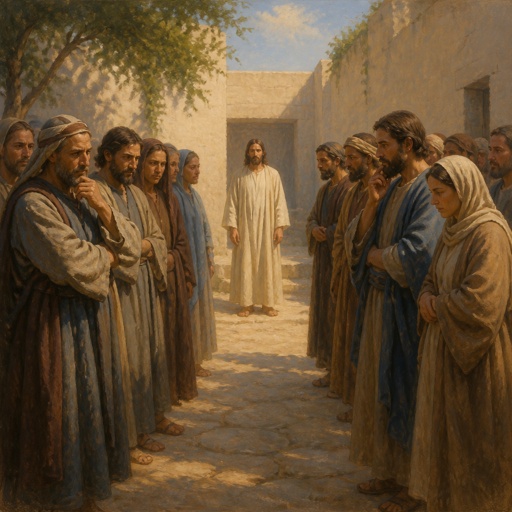
Artwork for Luke 7:43

Luke 7:43 - "Simon answered and said, I suppose that he, to whom he forgave most. And he said unto him, Thou hast rightly judged."
"Simon answered and said, I suppose that he, to whom he forgave most. And he said unto him, Thou hast rightly judged." - Luke 7:43

LUKE 24:41-43

Luke 24:43 - "And he took it, and did eat before them."

Luke 1:43 - "And whence is this to me, that the mother of my Lord should come to me?"

Luke 20:43 - "Till I make thine enemies thy footstool."

Luke 22:43 - "And there appeared an angel unto him from heaven, strengthening him."

John 7:43 - "So there was a division among the people because of him."

Luke 12:43 - "Blessed is that servant, whom his lord when he cometh shall find so doing."

Luke 11:43 - "Woe unto you, Pharisees! for ye love the uppermost seats in the synagogues, and greetings in the markets."

1 Kings 7:43 - "And the ten bases, and ten lavers on the bases;"

Nehemiah 7:43 - "¶ The Levites: the children of Jeshua, of Kadmiel, and of the children of Hodevah, seventy and four."

Luke 2:43 - "And when they had fulfilled the days, as they returned, the child Jesus tarried behind in Jerusalem; and Joseph and his mother knew not of it."

"And he took it, and did eat before them." - Luke 24:43

Luke 23:43 - "And Jesus said unto him, Verily I say unto thee, To day shalt thou be with me in paradise."

Luke 6:43 - "For a good tree bringeth not forth corrupt fruit; neither doth a corrupt tree bring forth good fruit."

Luke 4:43 - "And he said unto them, I must preach the kingdom of God to other cities also: for therefore am I sent."

"Till I make thine enemies thy footstool." - Luke 20:43

Jeremiah 43:7 - "So they came into the land of Egypt: for they obeyed not the voice of the LORD: thus came they even to Tahpanhes."
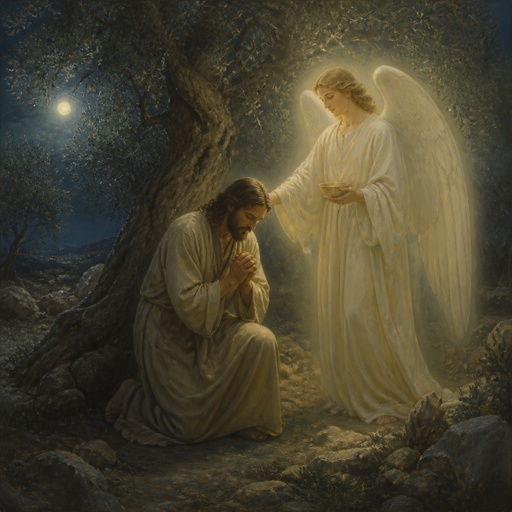
"And there appeared an angel unto him from heaven, strengthening him." - Luke 22:43

"And whence is this to me, that the mother of my Lord should come to me?" - Luke 1:43

Luke 18:43 - "And immediately he received his sight, and followed him, glorifying God: and all the people, when they saw it, gave praise unto God."

Luke 19:43 - "For the days shall come upon thee, that thine enemies shall cast a trench about thee, and compass thee round, and keep thee in on every side,"
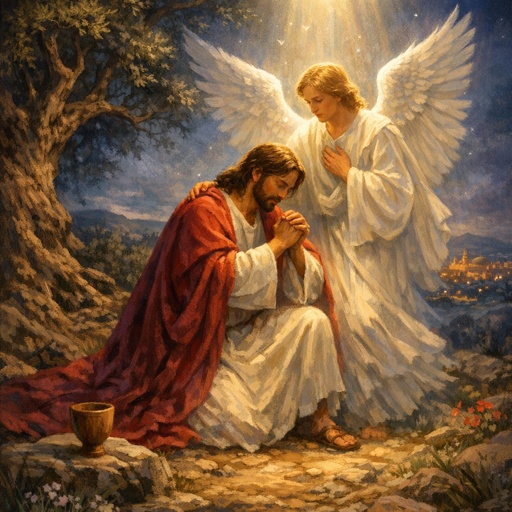
"And there appeared an angel unto him from heaven, strengthening him." - Luke 22:43

Luke 8:43 - "¶ And a woman having an issue of blood twelve years, which had spent all her living upon physicians, neither could be healed of any,"

Luke 7:41-43 - "There was a certain creditor who had two debtors. One owed five hundred denarii, and the other fifty. And when they had nothing with which to repay, he freely forgave them both. Tell Me, therefore, which of them will love him more? Simon answered and said, “I suppose the one whom he forgave more.” And He said to him, “You have rightly judged.”"

LUKE 24:41-43 41 And while they still did not believe it because of joy and amazement, he asked them, “Do you have anything here to eat?” 42 They gave him a piece of broiled fish, 43 and he took it and ate it in their presence.

LUKE 24:41-43 41 And while they still did not believe it because of joy and amazement, he asked them, “Do you have anything here to eat?” 42 They gave him a piece of broiled fish, 43 and he took it and ate it in their presence.

Luke 9:43 - "¶ And they were all amazed at the mighty power of God. But while they wondered every one at all things which Jesus did, he said unto his disciples,"
"So there was a division among the people because of him." - John 7:43