What does Luke 7:7 mean?
“Wherefore neither thought I myself worthy to come unto thee: but say in a word, and my servant shall be healed.” — Luke 7:7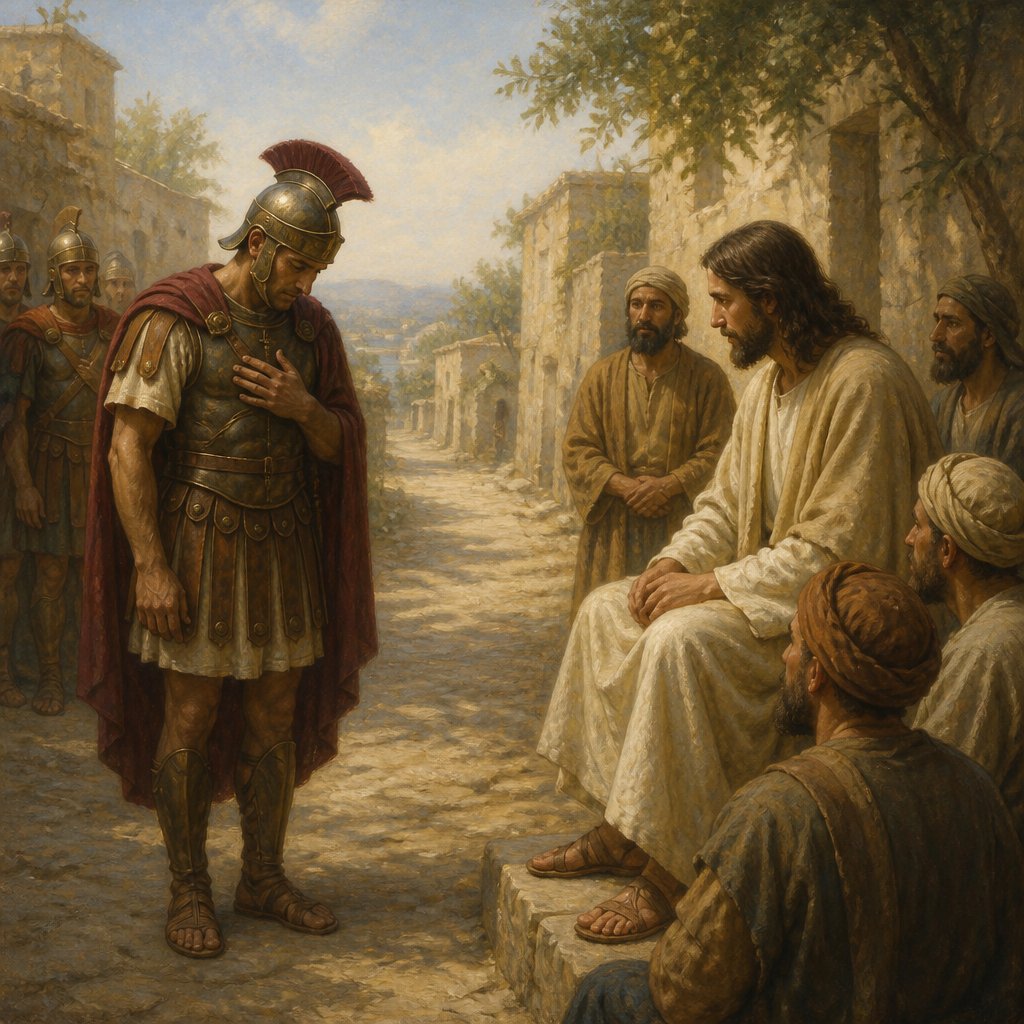
Luke 7:7 (KJV): "Wherefore neither thought I myself worthy to come unto thee: but say in a word, and my servant shall be healed."
In this verse, a Roman centurion is speaking to Jesus, expressing his faith in Jesus' healing power and authority. The centurion recognizes Jesus as a person of great authority, and he is confident that Jesus has the ability to heal his servant with just a word.
This passage is significant for several reasons. First, it highlights the theme of faith. The centurion's faith in Jesus is evident as he believes in his ability to heal simply by speaking a word. This kind of unwavering belief is a central theme in the New Testament, and Jesus often commends those who demonstrate strong faith.
Another important theme in this verse is humility. The centurion demonstrates humility by acknowledging that he is not worthy to come to Jesus himself. Despite his position of authority and power, he recognizes Jesus as even greater and humbles himself before him. This display of humility is contrasted with the religious leaders of the time who often lacked humility and respect for Jesus and his teachings.
The context of this verse is also significant. In the preceding verses, the centurion sends Jewish elders to intercede on his behalf, showing his respect for the local customs and authority. This highlights the centurion's humility and willingness to seek after Jesus, even though he is a Gentile. This encounter with the centurion is also noteworthy because it is one of the few instances in the Gospels where Jesus interacts with a non-Jew, underscoring the universality of Jesus' message and ministry.
The symbolism in this verse is profound. The centurion's "word" reflects the power of Jesus' own words to heal and transform. It also symbolizes the centurion's deep understanding of Jesus' authority and the power of his spoken word. Additionally, the centurion's servant represents the broader idea of healing and restoration in a spiritual sense, as Jesus has the power to heal not just physical ailments, but also the brokenness and sin in the hearts of humanity.
Overall, Luke 7:7 is a powerful and poignant verse that highlights themes of faith, humility, and the authority of Jesus. The centurion's profound faith in Jesus and his humble acknowledgment of Jesus' authority serve as a powerful example for believers today. This verse also underscores the universal nature of Jesus' message and the transformative power of his words. As we reflect on this passage, we are reminded of the limitless authority and healing power of Jesus, and we are called to approach him with the faith and humility demonstrated by the centurion.
Get our apps


Artwork for Luke 7:7

Luke 7:7 - "Wherefore neither thought I myself worthy to come unto thee: but say in a word, and my servant shall be healed."
"Wherefore neither thought I myself worthy to come unto thee: but say in a word, and my servant shall be healed." - Luke 7:7

Luke 7:33

Luke 7:50

Luke 7:50

Luke 7:36-50

Luke 7:41-47

Luke 7:36–50

Luke 15: 4-7

Luke 20:7 - "And they answered, that they could not tell whence it was."

Luke 7:35 - "But wisdom is justified of all her children."
Luke 7:18 - "And the disciples of John shewed him of all these things."

Luke 7:23 - "And blessed is he, whosoever shall not be offended in me."

Luke 7:48 - "And he said unto her, Thy sins are forgiven."

Luke 22:7 - "¶ Then came the day of unleavened bread, when the passover must be killed."

Luke 4:7 - "If thou therefore wilt worship me, all shall be thine."

Luke 8:7 - "And some fell among thorns; and the thorns sprang up with it, and choked it."

Luke 7:5 - "For he loveth our nation, and he hath built us a synagogue."

"And they answered, that they could not tell whence it was." - Luke 20:7

Luke 7:31 - "¶ And the Lord said, Whereunto then shall I liken the men of this generation? and to what are they like?"

Luke 7:10 - "And they that were sent, returning to the house, found the servant whole that had been sick."

Luke 7:30 - "But the Pharisees and lawyers rejected the counsel of God against themselves, being not baptized of him."

Luke 7:50 - "And he said to the woman, Thy faith hath saved thee; go in peace."

Luke 7:2 - "And a certain centurion's servant, who was dear unto him, was sick, and ready to die."

Luke 19:7 - "And when they saw it, they all murmured, saying, That he was gone to be guest with a man that is a sinner."

Luke 7:29 - "And all the people that heard him, and the publicans, justified God, being baptized with the baptism of John."

Luke 1:7 - "And they had no child, because that Elisabeth was barren, and they both were now well stricken in years."

Luke 7:15 - "And he that was dead sat up, and began to speak. And he delivered him to his mother."

Luke 7:49 - "And they that sat at meat with him began to say within themselves, Who is this that forgiveth sins also?"
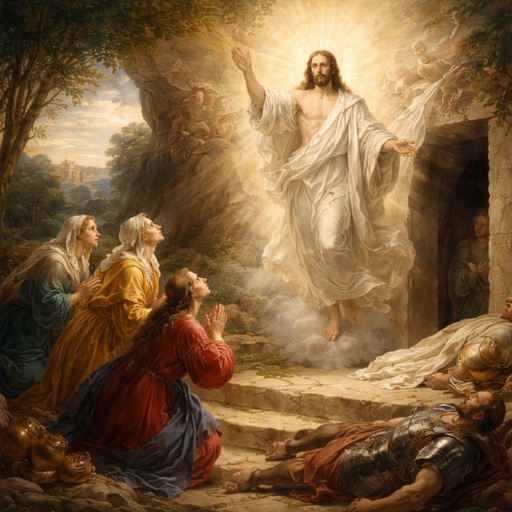
What does Luke 24:6-7 mean? "He is not here, but is risen: remember how he spake unto you when he was yet in Galilee, Saying, The Son of man must be delivered into the hands of sinful men, and be crucified, and the third day rise again." - Luke 24:6-7