What does Luke 8:49 mean?
"¶ While he yet spake, there cometh one from the ruler of the synagogue's house, saying to him, Thy daughter is dead; trouble not the Master." - Luke 8:49
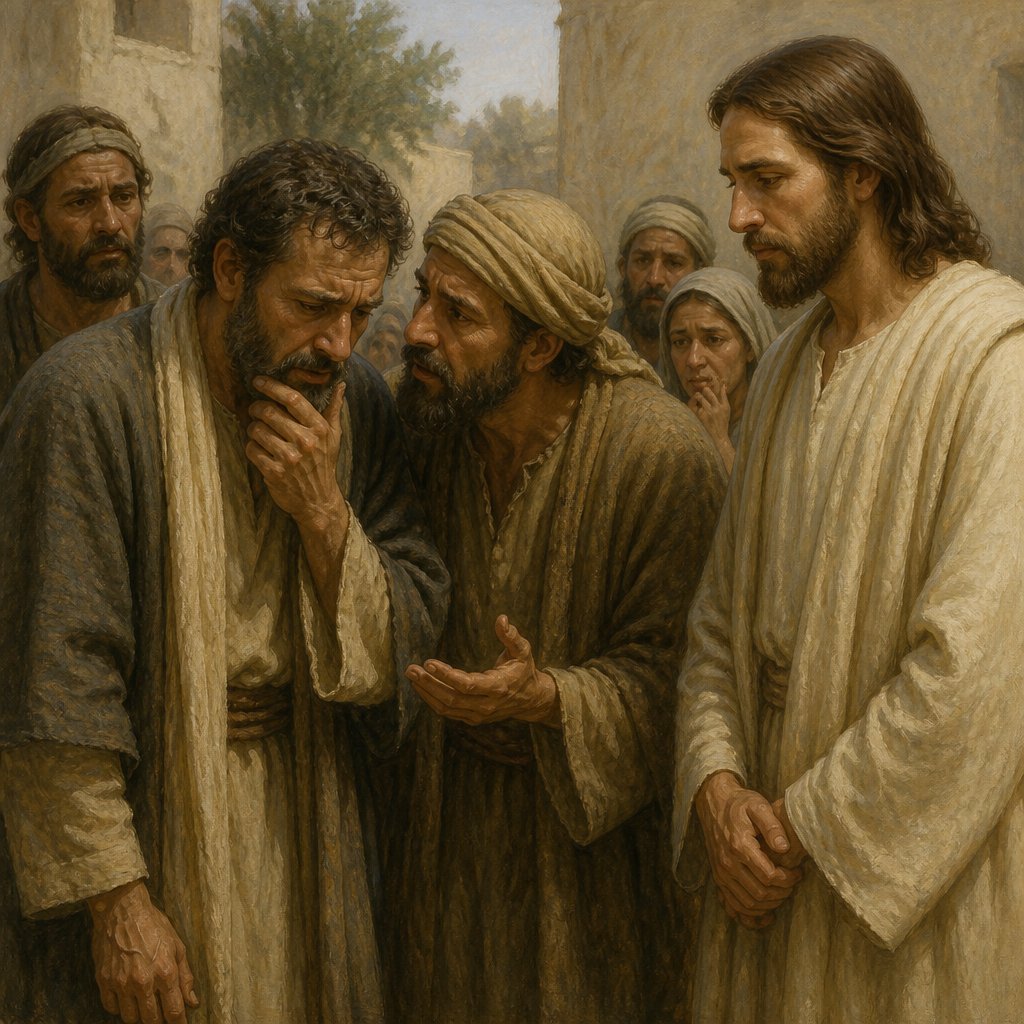
Luke 8:49 in the King James Version of the Bible reads, "While he yet spake, there cometh one from the ruler of the synagogue's house, saying to him, Thy daughter is dead; trouble not the Master."
This verse is part of the larger story of Jairus, the ruler of the synagogue, who came to Jesus begging for Him to heal his sick daughter. As Jesus was on His way to Jairus' house, a woman who had been bleeding for twelve years touched the hem of Jesus' garment and was healed. It is in the midst of this event that the news comes to Jairus that his daughter has died.
This verse is significant because it demonstrates the power of faith in the face of despair. Jairus had come to Jesus in desperation, believing that He could heal his daughter, but now that she had died, it seemed all hope was lost. However, Jesus would go on to demonstrate His power over death by raising Jairus' daughter back to life.
The context of this verse is important in understanding its significance. The ruler of the synagogue was a respected and influential figure in the Jewish community, and for him to come to Jesus in such a vulnerable state was a significant display of faith. It also demonstrates the desperation of a parent who is willing to do anything to save their child.
The themes present in this verse include the power of faith, the sovereignty of God, and the idea of divine healing. Jairus' faith in Jesus' ability to heal his daughter was tested when he received the news of her death, but Jesus would go on to prove that even death was within His control.
The symbolism in this verse is also significant. The news of Jairus' daughter's death could be seen as a metaphor for the hopelessness and despair that people often feel in the face of great loss. However, Jesus' response to this news serves as a symbol of hope and the promise of new life. By raising Jairus' daughter from the dead, Jesus demonstrates His power over death and His ability to bring new life out of despair.
This verse also speaks to the larger message of the Gospel. Jesus came to earth not only to heal the sick and perform miracles, but to ultimately conquer sin and death through His own death and resurrection. The story of Jairus' daughter is a foreshadowing of this ultimate victory over death that Jesus would achieve on the cross.
In conclusion, Luke 8:49 is a powerful and significant verse that speaks to the themes of faith, hope, and the power of God over death. It serves as a reminder that even in our moments of greatest despair, Jesus is able to bring new life and hope. This verse is a testament to the ultimate victory that Jesus achieved through His death and resurrection, and it serves as a source of hope for all who believe in Him.
Have questions about Luke 8:49?
Dive deeper into this scripture with Bible Chat — an AI-powered tool for exploring God's Word through conversation. Ask questions, get context, and grow in your understanding of the Bible.
Get Our Apps


Luke 8:49 Artwork

Luke 8:49 - "¶ While he yet spake, there cometh one from the ruler of the synagogue's house, saying to him, Thy daughter is dead; trouble not the Master."
"¶ While he yet spake, there cometh one from the ruler of the synagogue's house, saying to him, Thy daughter is dead; trouble not the Master." - Luke 8:49

Luke 12: 49

Psalms 49:8 - "(For the redemption of their soul is precious, and it ceaseth for ever:)"

Luke 12:49 - "¶ I am come to send fire on the earth; and what will I, if it be already kindled?"

Luke 1:49 - "For he that is mighty hath done to me great things; and holy is his name."

Luke 7:49 - "And they that sat at meat with him began to say within themselves, Who is this that forgiveth sins also?"

Luke 23:49 - "And all his acquaintance, and the women that followed him from Galilee, stood afar off, beholding these things."

Luke 11:49 - "Therefore also said the wisdom of God, I will send them prophets and apostles, and some of them they shall slay and persecute:"

Luke 2:49 - "And he said unto them, How is it that ye sought me? wist ye not that I must be about my Father's business?"

1 Kings 8:49 - "Then hear thou their prayer and their supplication in heaven thy dwelling place, and maintain their cause,"

Luke 22:49 - "When they which were about him saw what would follow, they said unto him, Lord, shall we smite with the sword?"

"(For the redemption of their soul is precious, and it ceaseth for ever:)" - Psalms 49:8

Luke 24:49 - "¶ And, behold, I send the promise of my Father upon you: but tarry ye in the city of Jerusalem, until ye be endued with power from on high."

John 8:49 - "Jesus answered, I have not a devil; but I honour my Father, and ye do dishonour me."

Luke 9:49 - "¶ And John answered and said, Master, we saw one casting out devils in thy name; and we forbad him, because he followeth not with us."

Luke 6:49 - "But he that heareth, and doeth not, is like a man that without a foundation built an house upon the earth; against which the stream did beat vehemently, and immediately it fell; and the ruin of that house was great."

"For he that is mighty hath done to me great things; and holy is his name." - Luke 1:49

"¶ I am come to send fire on the earth; and what will I, if it be already kindled?" - Luke 12:49

Luke 8:5-8

"And they that sat at meat with him began to say within themselves, Who is this that forgiveth sins also?" - Luke 7:49

Jeremiah 49:8 - "Flee ye, turn back, dwell deep, O inhabitants of Dedan; for I will bring the calamity of Esau upon him, the time that I will visit him."

Luke 8:16
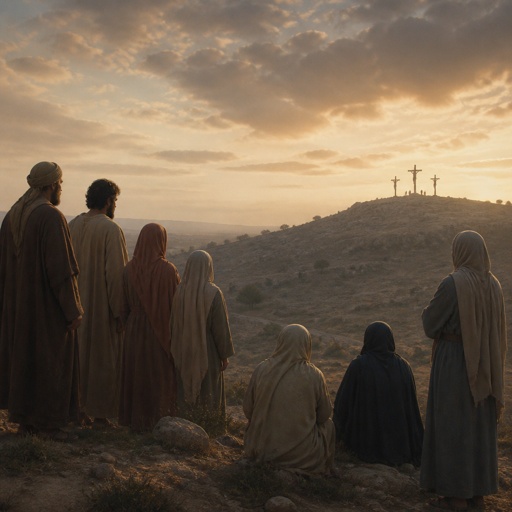
"And all his acquaintance, and the women that followed him from Galilee, stood afar off, beholding these things." - Luke 23:49

Luke 8:11

Luke 8:17

Luke 8:13

Luke 8:13

Luke 8:13
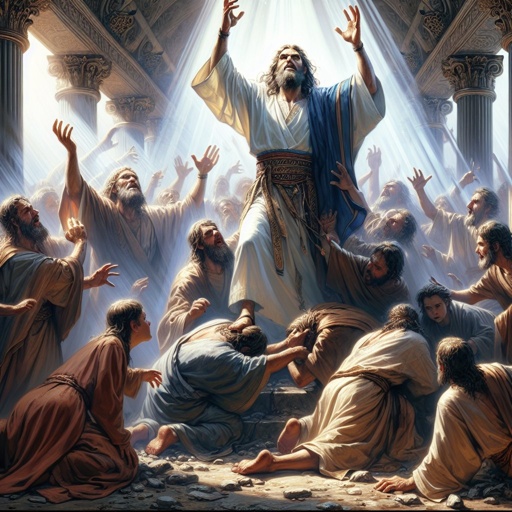
Genesis 49:8 - "¶ Judah, thou art he whom thy brethren shall praise: thy hand shall be in the neck of thine enemies; thy father's children shall bow down before thee."