What does Luke 8:24 mean?
“And they came to him, and awoke him, saying, Master, master, we perish. Then he arose, and rebuked the wind and the raging of the water: and they ceased, and there was a calm.” — Luke 8:24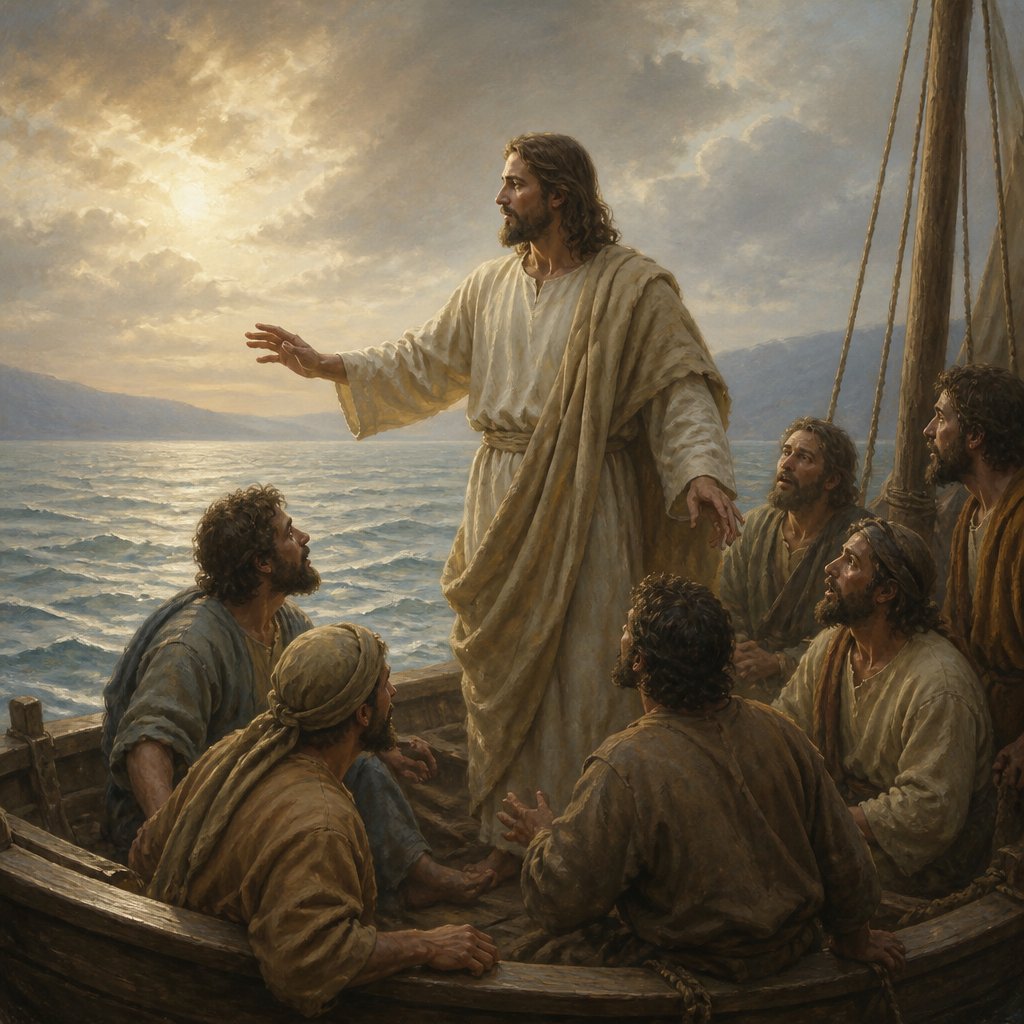
"In the King James Version, Luke 8:24 reads, 'And they came to him, and awoke him, saying, Master, master, we perish. Then he arose, and rebuked the wind and the raging of the water: and they ceased, and there was a calm.' This verse comes from one of the miracles performed by Jesus as recorded in the Gospel of Luke. This story is set on the Sea of Galilee, where Jesus and his disciples encounter a fierce storm while crossing to the other side.
This verse is part of a larger narrative in Luke, which emphasizes the power and authority of Jesus. The disciples are initially fearful for their lives as the storm rages around them. In their desperation, they wake Jesus from his sleep and express their despair, saying, 'Master, master, we perish.' Their urgency and fear are clear indications of the severity of the storm and the danger they believe themselves to be in.
Jesus, however, responds with a display of his divine power. He rebukes the wind and the raging water, and immediately there is a calm. This demonstrates Jesus' authority over the natural elements and his ability to bring peace and order out of chaos. Through this miracle, he shows his disciples that they can trust in him even in the most desperate situations.
One of the key themes in this verse is the idea of faith and trust in God. The disciples' initial reaction to the storm is one of fear and panic. They wake Jesus and express their belief that they are perishing. It is only when they turn to Jesus and seek his help that they witness his miraculous power. This story serves as a powerful reminder for believers to turn to Jesus in times of trouble, and to have faith that he has the ability to calm the storms in their lives.
Another theme present in this verse is the concept of divine authority. Jesus' ability to rebuke the wind and the water illustrates his dominion over the natural world. This display of power and control serves to reinforce his position as the Son of God and the Messiah. It also sets the stage for the ultimate act of authority and triumph over sin and death through his crucifixion and resurrection.
The context of this verse is also important in understanding its significance. The story of Jesus calming the storm is part of a series of miracles and teachings that demonstrate his identity and mission. In the preceding chapters of Luke, Jesus heals the sick, casts out demons, and teaches in parables. These actions all serve to reveal his divine nature and the Kingdom of God that he has come to establish.
Symbolism is also prevalent in this verse. The storm on the Sea of Galilee can be seen as a metaphor for the trials and tribulations of life. Just as the disciples felt helpless in the face of the storm, believers may feel overwhelmed by the challenges that they encounter. Jesus' calming of the storm symbolizes his ability to bring peace and comfort in the midst of chaos. It offers hope to those who are struggling and reminds them that they can rely on Jesus to bring them through the storms of life.
In conclusion, Luke 8:24 from the King James Version of the Bible is a powerful and significant verse that speaks to the themes of faith, divine authority, and the ability of Jesus to bring peace in the midst of turmoil. It serves as a reminder for believers to trust in Jesus, even in the most desperate situations, and to have faith that he has the power to calm the storms in their lives."
Get our apps


Artwork for Luke 8:24
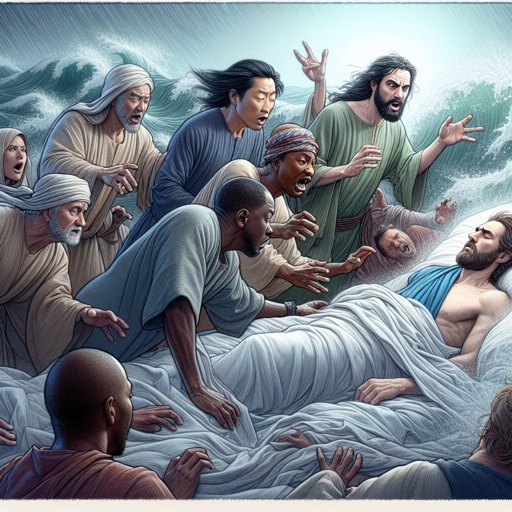
Luke 8:24 - "And they came to him, and awoke him, saying, Master, master, we perish. Then he arose, and rebuked the wind and the raging of the water: and they ceased, and there was a calm."
"And they came to him, and awoke him, saying, Master, master, we perish. Then he arose, and rebuked the wind and the raging of the water: and they ceased, and there was a calm." - Luke 8:24

Luke 24:8 - "And they remembered his words,"
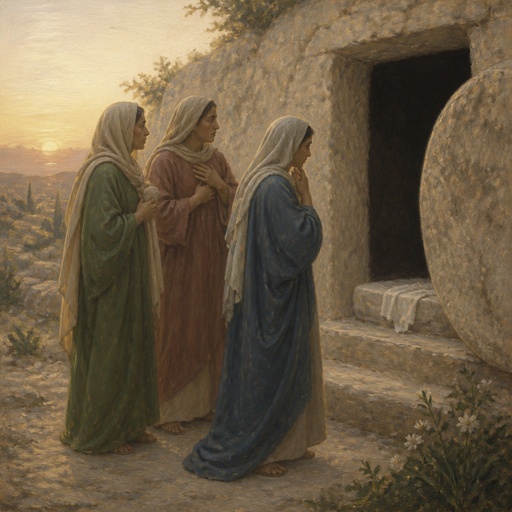
"And they remembered his words," - Luke 24:8

Luke 24:1

Luke 24:35

Luke 24:42

Luke 21:24

Luke 13:24

luke 24:17

Luke 24:13-35

LUKE 24:41-43

Luke 24:48 - "And ye are witnesses of these things."

Luke 8:5-8

Luke 24:24 - "And certain of them which were with us went to the sepulchre, and found it even so as the women had said: but him they saw not."

Luke 24:3 - "And they entered in, and found not the body of the Lord Jesus."

Luke 23:24 - "And Pilate gave sentence that it should be as they required."

Luke 24:45 - "Then opened he their understanding, that they might understand the scriptures,"

Luke 24:52 - "And they worshipped him, and returned to Jerusalem with great joy:"

Luke 24:16 - "But their eyes were holden that they should not know him."

Luke 24:42 - "And they gave him a piece of a broiled fish, and of an honeycomb."

Luke 24:2 - "And they found the stone rolled away from the sepulchre."

Luke 24:43 - "And he took it, and did eat before them."

Luke 24:37 - "But they were terrified and affrighted, and supposed that they had seen a spirit."

Genesis 24-8

Luke 24:14 - "And they talked together of all these things which had happened."

Luke 24:53 - "And were continually in the temple, praising and blessing God. Amen."

Luke 24:11 - "And their words seemed to them as idle tales, and they believed them not."

Luke 24:34 - "Saying, The Lord is risen indeed, and hath appeared to Simon."

"And ye are witnesses of these things." - Luke 24:48