What does Luke 9:20 mean?
"He said unto them, But whom say ye that I am? Peter answering said, The Christ of God." - Luke 9:20
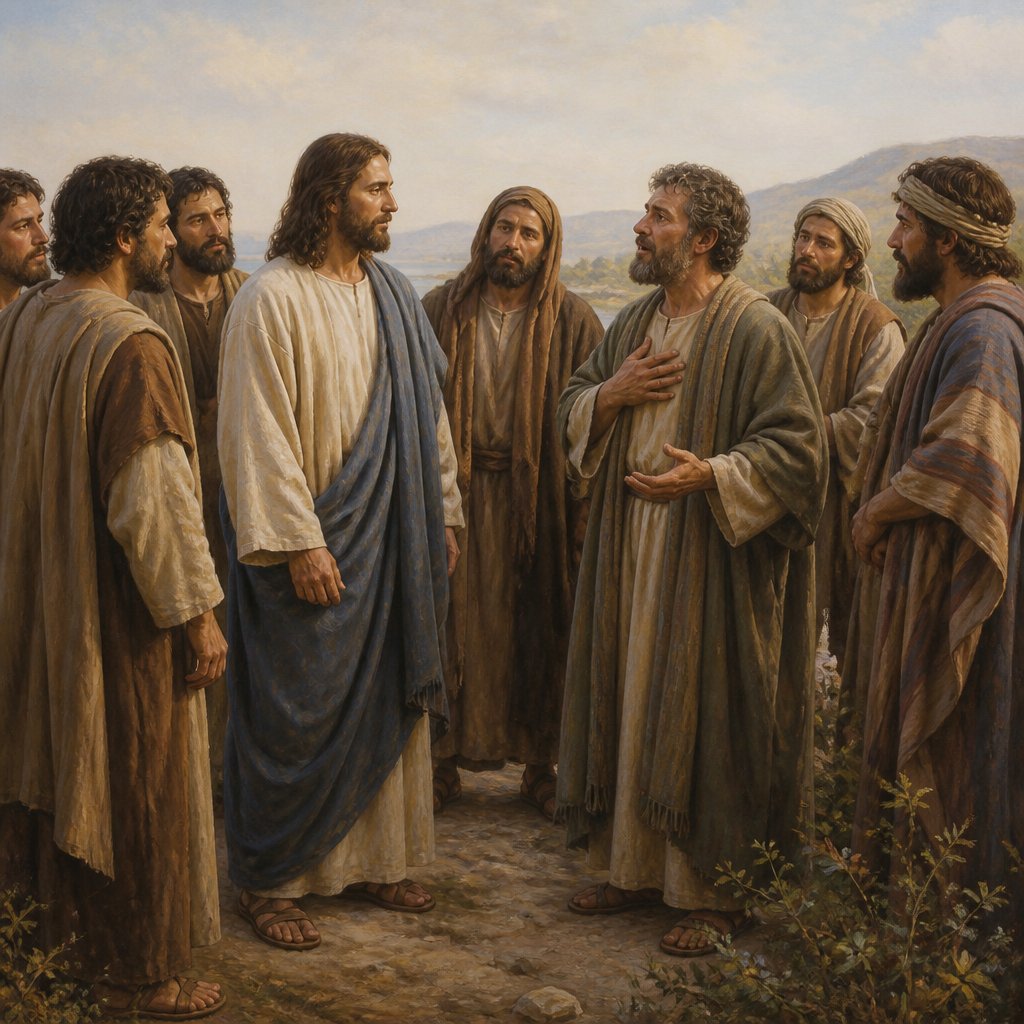
In Luke 9:20 from the King James Version (KJV) of the Bible, it states: "He said unto them, But whom say ye that I am? Peter answering said, The Christ of God." This verse is part of a larger passage in which Jesus asks his disciples who people say he is, and then specifically asks his disciples who they say he is. Peter responds with the declaration that Jesus is the "Christ of God."
This verse is significant in the overall narrative of the Gospel of Luke and the New Testament as a whole as it illustrates an important moment of revelation and understanding about the identity of Jesus. The concept of "the Christ" is central to Christian faith and understanding of Jesus as the Messiah and the Son of God.
One of the key themes present in this verse is the recognition of Jesus as the Messiah. The word "Christ" itself is a title, derived from the Greek word "Christos," which translates to "the anointed one." In Jewish tradition, the expectation of a messianic figure who would deliver the people and establish God's kingdom was deeply rooted. By declaring Jesus as the Christ, Peter acknowledges him as the fulfillment of this long-awaited hope.
This proclamation by Peter also highlights the theme of discipleship and faith. The disciples had been following Jesus, witnessing his teachings, miracles, and interactions with others. In this moment, Jesus challenges them to understand and articulate their faith in him. Peter, as the spokesperson for the disciples, affirms his belief in the identity of Jesus despite the varying opinions of others.
The context of this verse is also significant. At this point in the Gospel of Luke, Jesus and his disciples are in the region of Caesarea Philippi. This location was not only a center of religious diversity but also a place where the political and religious power of Rome was evident. In this diverse and complex setting, Jesus directs attention to his true identity and mission, which contrasts with the prevailing perspectives of the time.
The interaction in Luke 9:20 carries symbolism that extends beyond the immediate response of Peter. The declaration of Jesus as the Christ signifies a turning point in the disciples' understanding of who Jesus is and what his purpose entails. It also sets the stage for Jesus to further reveal the path of self-sacrifice and redemption through his impending suffering, death, and resurrection.
Furthermore, the acknowledgement of Jesus as the Christ carries implications for the broader Jewish and Gentile audiences of Luke's Gospel, as it speaks to the universal significance of Jesus' identity and role in God's plan of salvation. The confession of Jesus as the Christ becomes a cornerstone of Christian doctrine and belief, shaping the understanding of his divinity, mission, and the establishment of the Church.
In conclusion, Luke 9:20 in the King James Version of the Bible captures a pivotal moment in the Gospel narrative, where Peter's confession illuminates the identity of Jesus as the Christ of God. This verse encapsulates profound themes of Messianic fulfillment, discipleship, faith, and the universal impact of Jesus' identity. The impact of this declaration reverberates through the New Testament and Christian theology, emphasizing the foundational significance of Jesus as the Christ in the Christian faith.
Have questions about Luke 9:20?
Dive deeper into this scripture with Bible Chat — an AI-powered tool for exploring God's Word through conversation. Ask questions, get context, and grow in your understanding of the Bible.
Get Our Apps


Luke 9:20 Artwork

Luke 9:20 - "He said unto them, But whom say ye that I am? Peter answering said, The Christ of God."

Luke 9:20 He said to them, “But who do you say that I am?” Peter answered and said, “The Christ of God.”
"He said unto them, But whom say ye that I am? Peter answering said, The Christ of God." - Luke 9:20

Luke 20:9 - "Then began he to speak to the people this parable; A certain man planted a vineyard, and let it forth to husbandmen, and went into a far country for a long time."

Create a scene of Luke 20:9 from the Christian Bible, inspired by the art of Richard Gunther and Lambsong.

Create a respectful and devotional art piece visualizing the sentiment of Luke 20:9 from the Christian Bible, inspired by the expressive and fluid style of pre-1912 watercolor paintings.

Luke 13:20-21

Luke 13:20-21

Luke 13:20-21

Luke 13:20-21
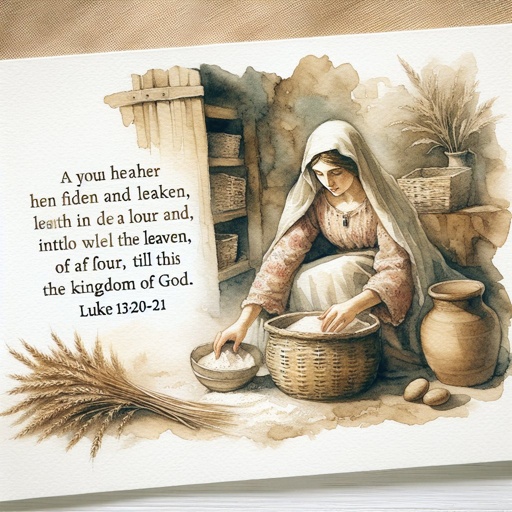
Luke 13:20-21

Luke 20:28

Luke 2:1-20

Luke 20:7 - "And they answered, that they could not tell whence it was."

Luke 20:32 - "Last of all the woman died also."
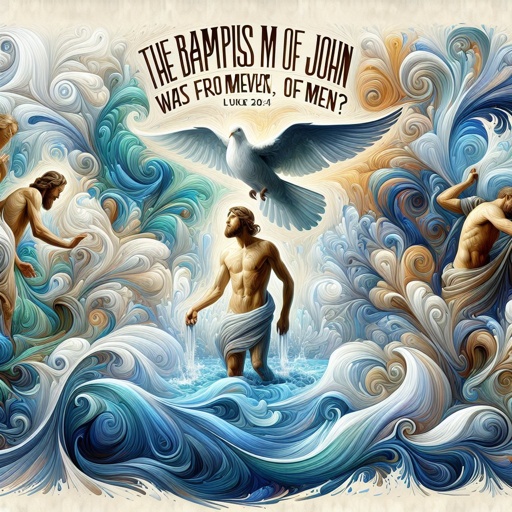
Luke 20:4 - "The baptism of John, was it from heaven, or of men?"
Luke 11:9

luke 9:30

luke 9:35

luke 9:35

Luke 9:51

Luke 11:9
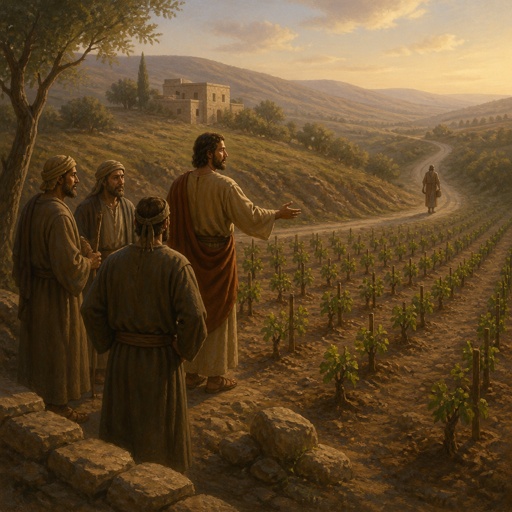
"Then began he to speak to the people this parable; A certain man planted a vineyard, and let it forth to husbandmen, and went into a far country for a long time." - Luke 20:9

Luke 20:22 - "Is it lawful for us to give tribute unto Caesar, or no?"
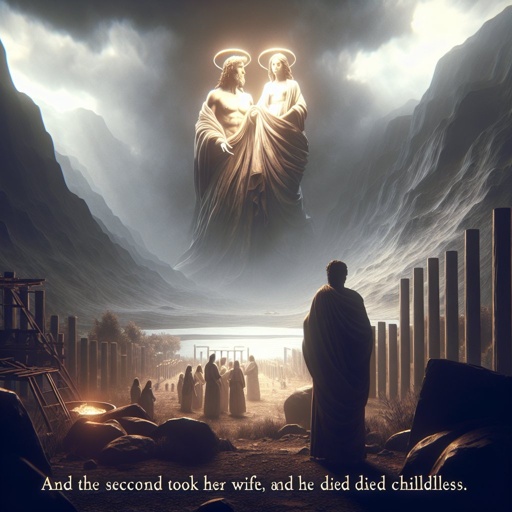
Luke 20:30 - "And the second took her to wife, and he died childless."

Luke 20:40 - "And after that they durst not ask him any question at all."

Luke 20:43 - "Till I make thine enemies thy footstool."

Genesis 20:9

Luke 9:54-55

Luke 18:9-14