What does Luke 9:10 mean?
“And the apostles, when they were returned, told him all that they had done. And he took them, and went aside privately into a desert place belonging to the city called Bethsaida.” — Luke 9:10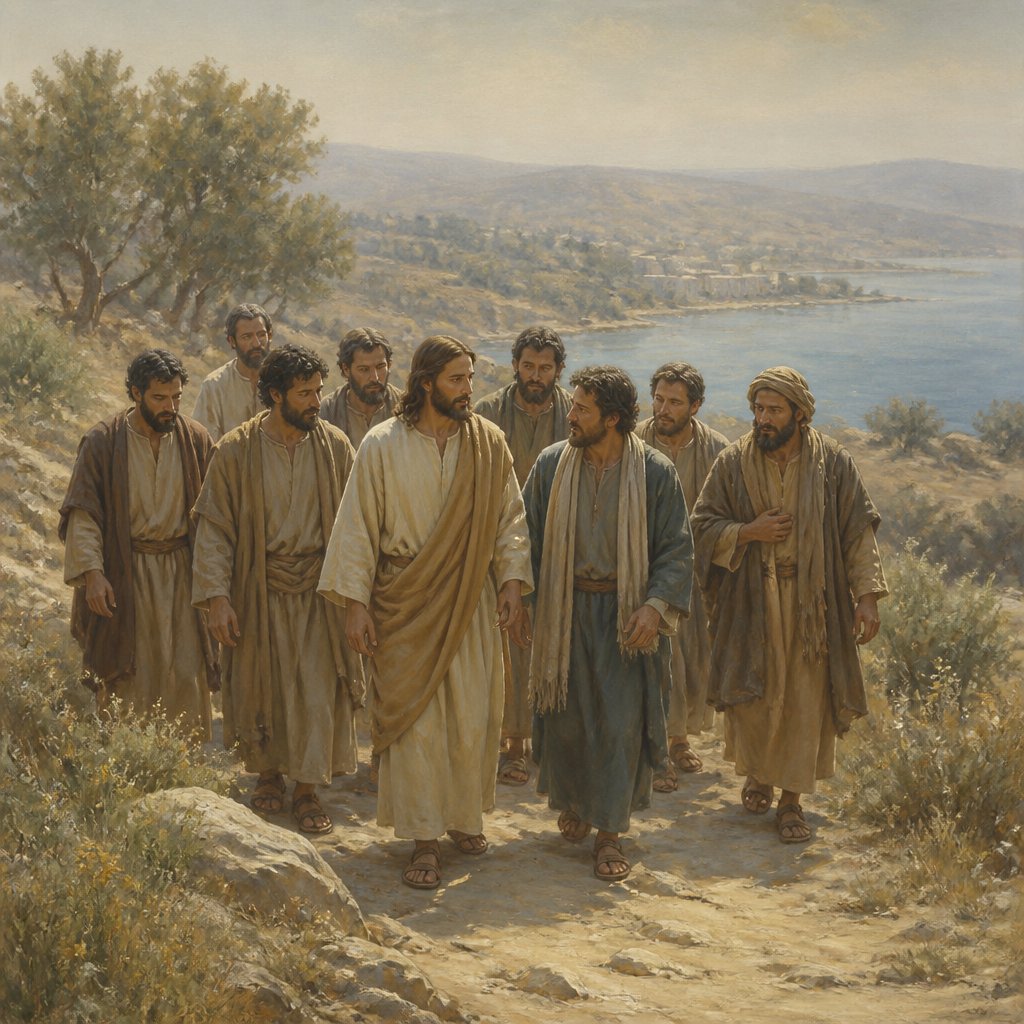
Luke 9:10 in the King James Version of the Bible reads, "And the apostles, when they were returned, told him all that they had done. And he took them, and went aside privately into a desert place belonging to the city called Bethsaida."
This verse is part of the larger narrative about Jesus' ministry and the work of his apostles. The apostles had just returned from a mission to preach, heal, and cast out demons. They were eager to share their experiences and the miracles they had witnessed with Jesus. This verse marks a pivotal moment in the relationship between Jesus and his disciples, as well as provides important context for the larger themes of the Gospel of Luke.
One of the key themes of Luke 9:10 is the importance of rest and solitude. After the apostles returned from their mission, Jesus took them aside privately to a desert place belonging to the city called Bethsaida. This shows Jesus' care for his followers and his recognition of their need for rest and reflection after their hard work. Additionally, it demonstrates the value of finding solitude and time alone with God, even in the midst of ministry and service. This is a recurring theme in the Gospel of Luke, as Jesus often withdraws to solitary places to pray and seek guidance from his Heavenly Father.
The location of the desert place is also significant. Bethsaida was a city in Galilee, which was the region where Jesus spent much of his ministry. Throughout the Gospel of Luke, Galilee is portrayed as a central setting for Jesus' teachings and miracles, as well as a place where he encountered both opposition and faithful followers. By taking his apostles to a desert place near Bethsaida, Jesus is creating a bridge between their recent mission and the larger context of his ministry in Galilee.
Furthermore, the setting of the desert place symbolizes the spiritual journey and the wilderness experience. In the Bible, the desert is often associated with periods of testing, purification, and preparation. It was in the desert that the Israelites wandered for forty years and where Jesus was tempted by the devil. By taking his apostles to a desert place, Jesus may be signaling that they are entering a time of spiritual formation and growth, as well as a period of testing and preparation for the challenges to come.
Another important aspect of this verse is the relationship between Jesus and his apostles. The fact that the apostles returned and told Jesus all that they had done shows their commitment to reporting back to him and seeking his guidance. The apostles recognized Jesus as their leader and teacher, and they valued his input and wisdom. Similarly, Jesus' response of taking them aside privately indicates his desire for intimacy and personal connection with his disciples. This highlights the importance of relationship and community within the context of ministry and service.
In conclusion, Luke 9:10 offers a rich and layered commentary on themes such as rest and solitude, the significance of location, spiritual formation and testing, and the importance of relationship and community within ministry. This verse serves as a bridge between the apostles' recent mission and the larger context of Jesus' ministry in Galilee, while also providing valuable insights into the dynamics of the relationship between Jesus and his disciples. It encourages readers to seek moments of rest and solitude, value their relationship with God and others, and recognize the spiritual significance of their experiences and surroundings.
Get our apps


Artwork for Luke 9:10

Luke 9:10 - "¶ And the apostles, when they were returned, told him all that they had done. And he took them, and went aside privately into a desert place belonging to the city called Bethsaida."
"¶ And the apostles, when they were returned, told him all that they had done. And he took them, and went aside privately into a desert place belonging to the city called Bethsaida." - Luke 9:10

Luke 11:9-10

Luke 10:9 - "And heal the sick that are therein, and say unto them, The kingdom of God is come nigh unto you."

Luke 19:9-10 - "And Jesus said unto him, This day is salvation come to this house, forsomuch as he also is a son of Abraham. For the Son of man is come to seek and to save that which was lost."

Luke 10:8-9 - "When you enter a town and are welcomed, eat what is offered to you. Heal the sick who are there and tell them, 'The kingdom of God has come near to you.'"

"And heal the sick that are therein, and say unto them, The kingdom of God is come nigh unto you." - Luke 10:9

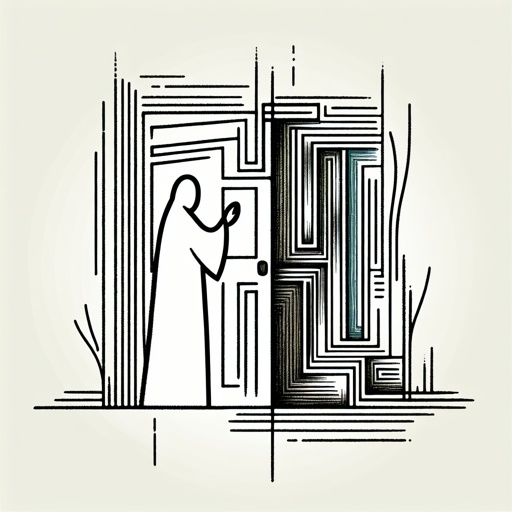
Luke 11:9-10 - "And I say unto you, Ask, and it shall be given you; seek, and ye shall find; knock, and it shall be opened unto you. For every one that asketh receiveth; and he that seeketh findeth; and to him that knocketh it shall be opened."
Luke 10:5

Luke 10:5

Luke 10:5

Luke 10:18-19

Luke 10:18-19

Luke 10:18-19

Luke 10:17-19

Luke 10:18-19

Luke 10:18-19

Luke 10:18-19

Luke 10:17-19
Luke 11:9

luke 9:30

luke 9:35

luke 9:35

Luke 9:51

Luke 11:9

Luke 19:10

Luke 2:10

Luke 10:27

Luke 15:10

Luke 17:10