What does Luke 9:19 mean?
“They answering said, John the Baptist; but some say, Elias; and others say, that one of the old prophets is risen again.” — Luke 9:19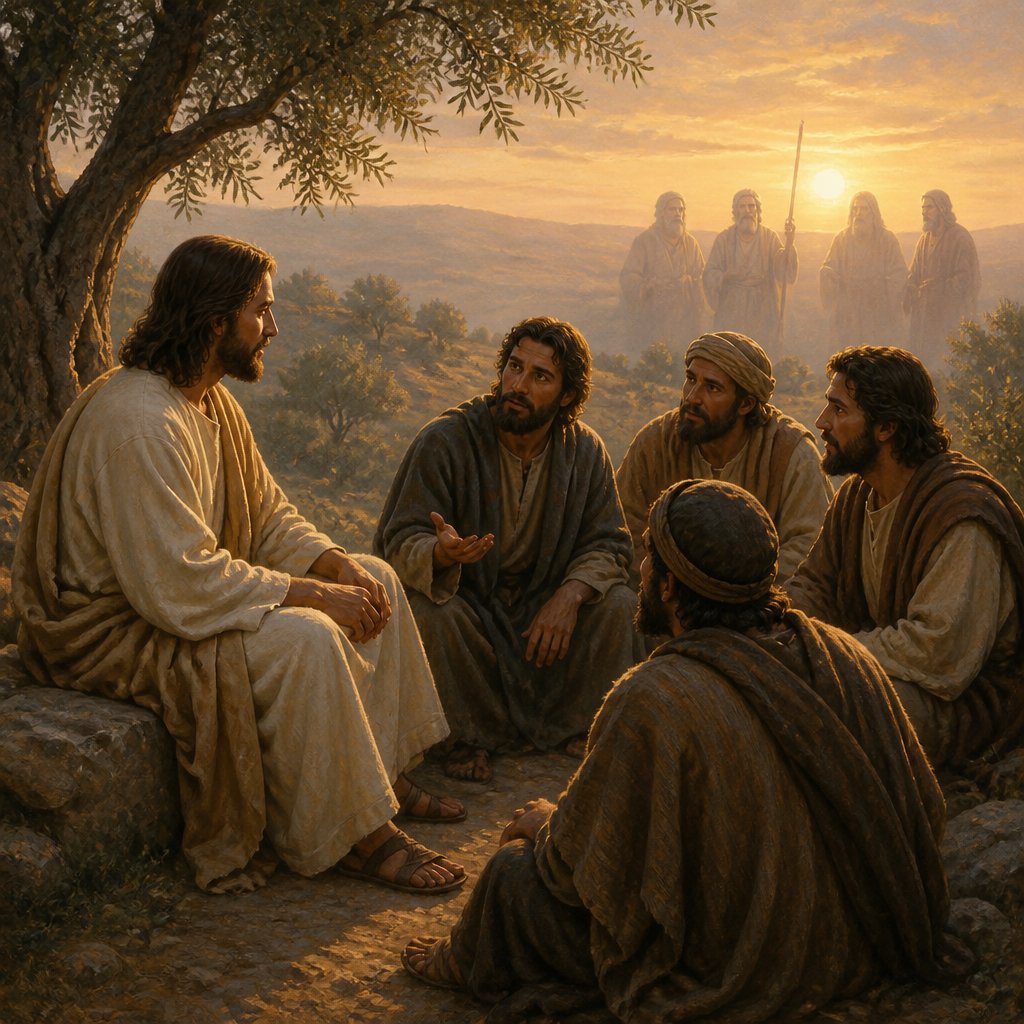
Luke 9:19 in the King James Version of the Bible reads, "They answering said, John the Baptist; but some say, Elias; and others say, that one of the old prophets is risen again." This verse is part of a larger passage in the New Testament that describes an encounter between Jesus and his disciples.
The context of this verse is important for understanding its meaning. In the preceding passages, Jesus had sent out his twelve disciples to proclaim the kingdom of God and to heal the sick. After their return, Jesus took them aside to a desert place to rest. However, the crowds followed them, and Jesus continued to teach and heal them. As evening approached, the disciples suggested to Jesus that he send the people away to buy food for themselves. Instead, Jesus miraculously fed the five thousand with just five loaves of bread and two fish. This amazing event demonstrated Jesus’ authority and power, providing a clear demonstration of his divine nature.
In the verse in question, Jesus asks his disciples, “Whom say the people that I am?” The disciples respond by citing various opinions that were circulating about Jesus. Some thought he might be John the Baptist, who had been beheaded by King Herod. Others thought he might be Elijah, the great prophet who was expected to return before the coming of the Messiah. Still, others thought that Jesus might be one of the old prophets who had been resurrected.
This verse highlights the ambiguity that surrounded Jesus’ identity and mission during his earthly ministry. It is significant that the people mentioned in this passage did not recognize Jesus as the Messiah, despite witnessing the miracles and hearing his teachings. Their confusion reflects the diverse expectations and hopes that people held about the promised deliverer and reflects the variety of perceptions people had about Jesus during his ministry.
The theme of identity and recognition is central to this passage. The question of Jesus’ identity is a recurring theme in the Gospels. Throughout his life, Jesus was often misidentified or misunderstood by those around him. Even his own disciples struggled to fully comprehend who he was and what he came to accomplish. In this passage, the various opinions about Jesus indicate the diverse and often conflicting expectations that people had about the Messiah.
The response of the people in this passage also reflects the prevalent belief in the resurrection of the dead and the return of the prophets among the Jewish people. The idea that Elijah or one of the old prophets had returned was an expression of the hope for the restoration and fulfillment of God’s promises. However, the true identity and mission of Jesus as the long-awaited Messiah and Savior were far beyond the people’s expectations and understanding.
This verse also serves as a foreshadowing of the events that will unfold later in the Gospels. The identification of Jesus as John the Baptist, Elijah, or one of the old prophets anticipates the confusion and rejection that Jesus will face in the days leading up to his crucifixion. The misunderstanding of Jesus’ true identity by the people ultimately leads to his rejection and crucifixion, highlighting the tragic consequences of unbelief and spiritual blindness.
In summary, Luke 9:19 is a significant verse that sheds light on the diverse opinions and expectations that surrounded Jesus during his earthly ministry. It underscores the theme of identity and recognition, highlighting the prevalent confusion and misunderstanding about the true nature and mission of Jesus. This passage serves as a reminder of the importance of discerning the true identity of Jesus and recognizing him as the long-awaited Messiah and Savior.
Get our apps


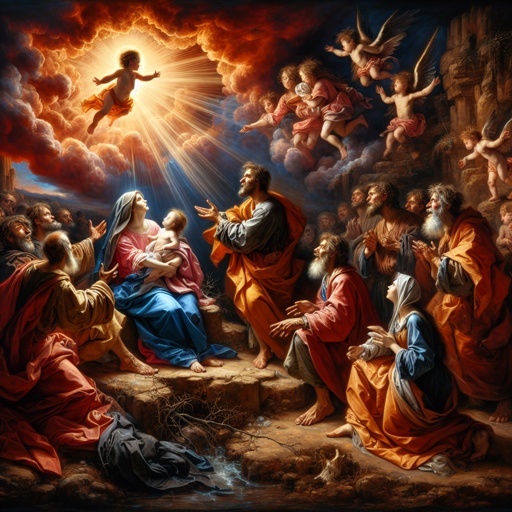
Artwork for Luke 9:19
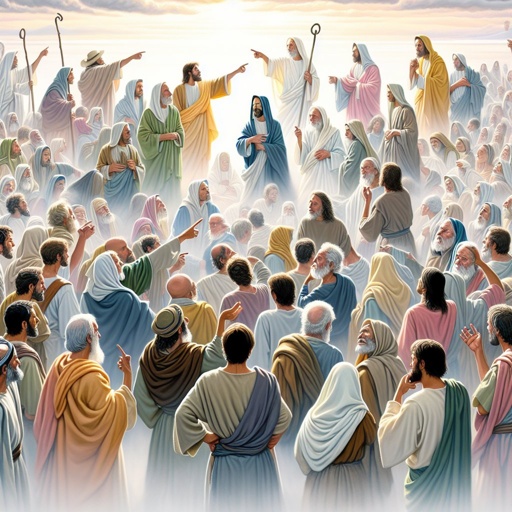
Luke 9:19 - "They answering said, John the Baptist; but some say, Elias; and others say, that one of the old prophets is risen again."
"They answering said, John the Baptist; but some say, Elias; and others say, that one of the old prophets is risen again." - Luke 9:19

Luke 19:9 - "And Jesus said unto him, This day is salvation come to this house, forsomuch as he also is a son of Abraham."

Luke 19:9-10 - "And Jesus said unto him, This day is salvation come to this house, forsomuch as he also is a son of Abraham. For the Son of man is come to seek and to save that which was lost."

Luke 10:18-19

Luke 13:18-19

Luke 10:18-19

Luke 10:18-19

Luke 13:18-19

Luke 10:17-19
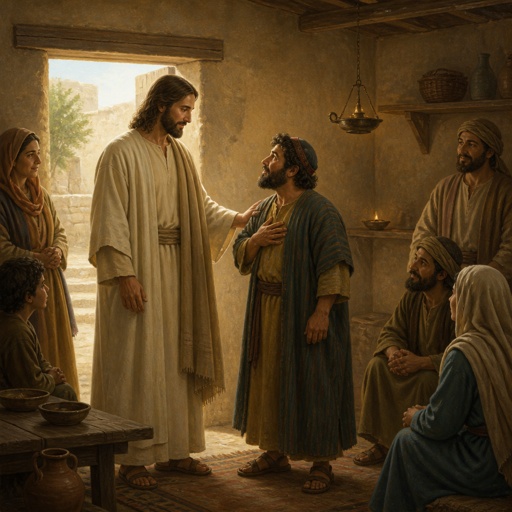
"And Jesus said unto him, This day is salvation come to this house, forsomuch as he also is a son of Abraham." - Luke 19:9

Luke 10:18-19

Luke 10:18-19

Luke 10:18-19

Luke 10:17-19

Luke 19:23

Luke 1:19

Luke 19:23

Luke 19:19 - "And he said likewise to him, Be thou also over five cities."

Luke 19:10
Luke 1:19

Luke 19:28

Luke 1:19

luke 21:5-19

Luke 19:1-10

Luke 10:18-19

Luke 19:1-10

Luke 21:15-19

Luke 4:19 - "To preach the acceptable year of the Lord."

Luke 19:34 - "And they said, The Lord hath need of him."