What does Luke 9:26 mean?
“For whosoever shall be ashamed of me and of my words, of him shall the Son of man be ashamed, when he shall come in his own glory, and in his Father’s, and of the holy angels.” — Luke 9:26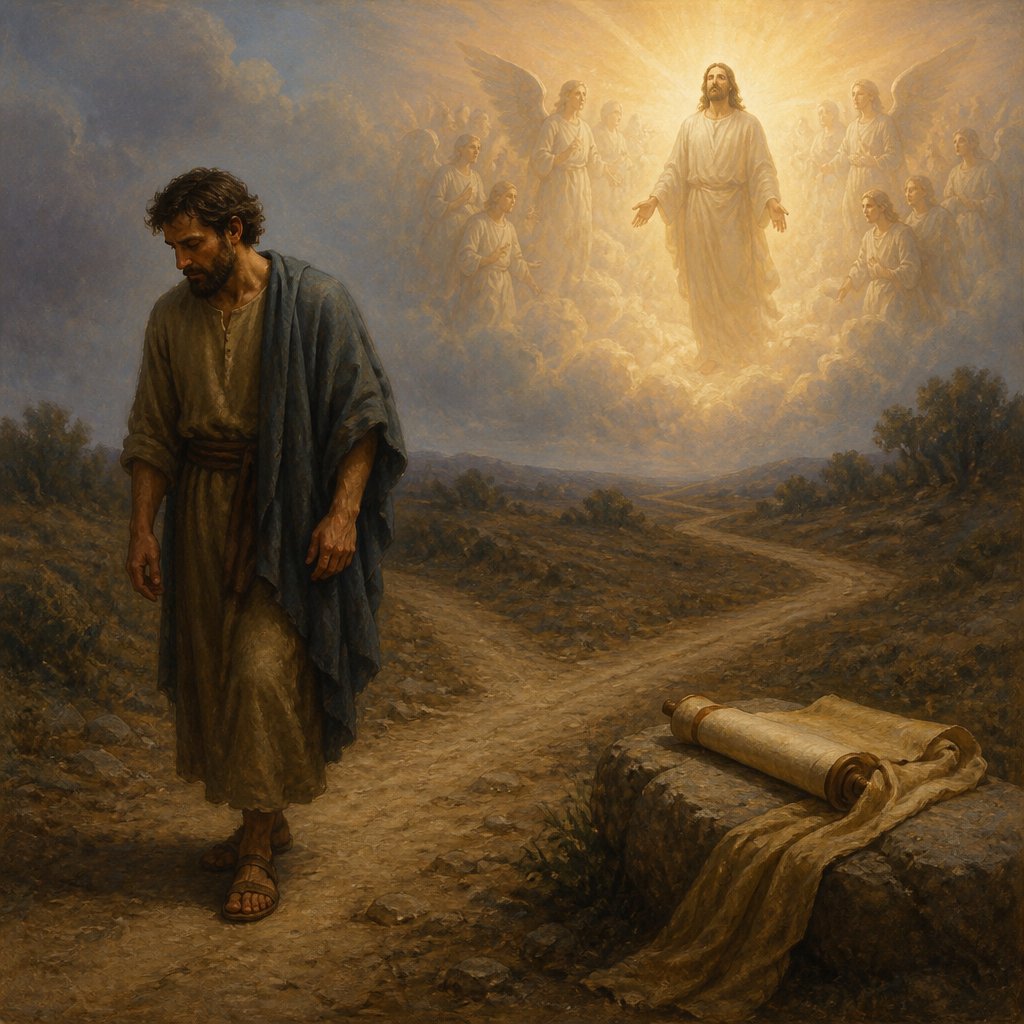
Luke 9:26 in the King James Version (KJV) of the Bible reads, "For whosoever shall be ashamed of me and of my words, of him shall the Son of man be ashamed, when he shall come in his own glory, and in his Father's, and of the holy angels."
This verse is spoken by Jesus to his disciples, laying out the consequence for being ashamed of him and his teachings. This verse is deeply rooted in the theme of discipleship, faith, and the ultimate judgment of God. In order to truly understand the depth and significance of this verse, it is important to explore its themes, context, and symbolism within the broader narrative of the Gospel of Luke.
The overarching theme of Luke 9:26 is discipleship. Jesus is addressing his followers and essentially warning them against denying him or being ashamed of his teachings. This verse emphasizes the importance of boldly standing up for one's faith, even in the face of persecution or opposition. It reflects the idea that true discipleship requires unwavering commitment and a willingness to openly profess faith in Jesus Christ.
In the context of the broader Gospel of Luke, this verse is situated within a section where Jesus is preparing his disciples for the challenges they will face as his followers. In the preceding verses, Jesus speaks about the cost of discipleship, emphasizing the need for commitment and sacrifice. Luke 9:23-25 specifically states, "And he said to them all, If any man will come after me, let him deny himself, and take up his cross daily, and follow me. For whosoever will save his life shall lose it: but whosoever will lose his life for my sake, the same shall save it. For what is a man advantaged, if he gain the whole world, and lose himself, or be cast away?"
In this broader context, Luke 9:26 serves as a warning to those who would be tempted to prioritize their own earthly comfort or social acceptance over their loyalty to Jesus. It reinforces the idea that truly following Christ requires a willingness to endure hardship and rejection, and to remain steadfast in one's faith regardless of the cost.
Symbolically, Luke 9:26 conveys the concept of judgment and accountability. The verse speaks of the Son of Man coming in his own glory, in the glory of the Father, and of the holy angels. This imagery evokes a powerful and awe-inspiring portrayal of the final judgment, where the Son of Man (Jesus) will be gloriously revealed in the presence of God and the heavenly host.
The symbolic language used in this verse underscores the seriousness of being ashamed of Jesus and his words. It conveys the idea that there will come a time of reckoning, where those who have denied or been ashamed of Jesus will face the consequence of their actions. This serves as a powerful reminder of the eternal implications of one's faith and allegiance to Christ.
In conclusion, Luke 9:26 carries profound implications for the nature of discipleship, faith, and the ultimate judgment of God. It emphasizes the need for unwavering commitment and boldness in professing faith in Jesus Christ, even in the face of opposition or persecution. The verse conveys a powerful symbolic imagery of the final judgment, serving as a sobering warning to those who would prioritize their own comfort or social acceptance over their loyalty to Jesus. Ultimately, Luke 9:26 challenges believers to consider the depth of their commitment to Christ and the eternal consequences of being ashamed of him and his teachings.
Get our apps


Artwork for Luke 9:26

Luke 9:26 - "For whosoever shall be ashamed of me and of my words, of him shall the Son of man be ashamed, when he shall come in his own glory, and in his Father's, and of the holy angels."

Luke 9:26-27 - "For whoever is ashamed of me and of my words, of him will the Son of Man be ashamed when he comes in his glory and the glory of the Father and of the holy angels. But I tell you truly, there are some standing here who will not taste death until they see the kingdom of God."
"For whosoever shall be ashamed of me and of my words, of him shall the Son of man be ashamed, when he shall come in his own glory, and in his Father's, and of the holy angels." - Luke 9:26
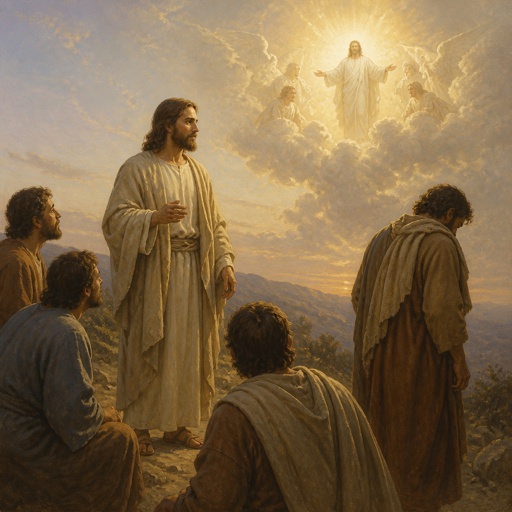
"For whoever is ashamed of me and of my words, of him will the Son of Man be ashamed when he comes in his glory and the glory of the Father and of the holy angels. But I tell you truly, there are some standing here who will not taste death until they see the kingdom of God." - Luke 9:26-27

luke 1:26

luke 1:26

Luke 1:26

Luke 12:25-26

Luke 12:25-26

Luke 16:22-26

Luke 12:25-26

Luke 6:21-26

Luke 12:25-26

Luke 12:25-26

Luke 6:21-26
Luke 12:25-26

Luke 12:25-26

Luke 5:17-26

Luke 18:26 - "And they that heard it said, Who then can be saved?"

Luke 8:26 - "¶ And they arrived at the country of the Gadarenes, which is over against Galilee."

Genesis 26:9

Luke 17:26 - "And as it was in the days of Noe, so shall it be also in the days of the Son of man."

Luke 15:26 - "And he called one of the servants, and asked what these things meant."
Luke 11:9

luke 9:30

luke 9:35

luke 9:35

Luke 9:51

Luke 11:9

Luke 10:26 - "He said unto him, What is written in the law? how readest thou?"