What does Malachi 1:6-8 mean?
"A son honoureth his father, and a servant his master: if then I be a father, where is mine honour? and if I be a master, where is my fear? saith the Lord of hosts unto you, O priests, that despise my name. And ye say, Wherein have we despised thy name? Ye offer polluted bread upon mine altar; and ye say, Wherein have we polluted thee? In that ye say, The table of the Lord is contemptible. And if ye offer the blind for sacrifice, is it not evil? and if ye offer the lame and sick, is it not evil? offer it now unto thy governor; will he be pleased with thee, or accept thy person? saith the Lord of hosts." - Malachi 1:6-8
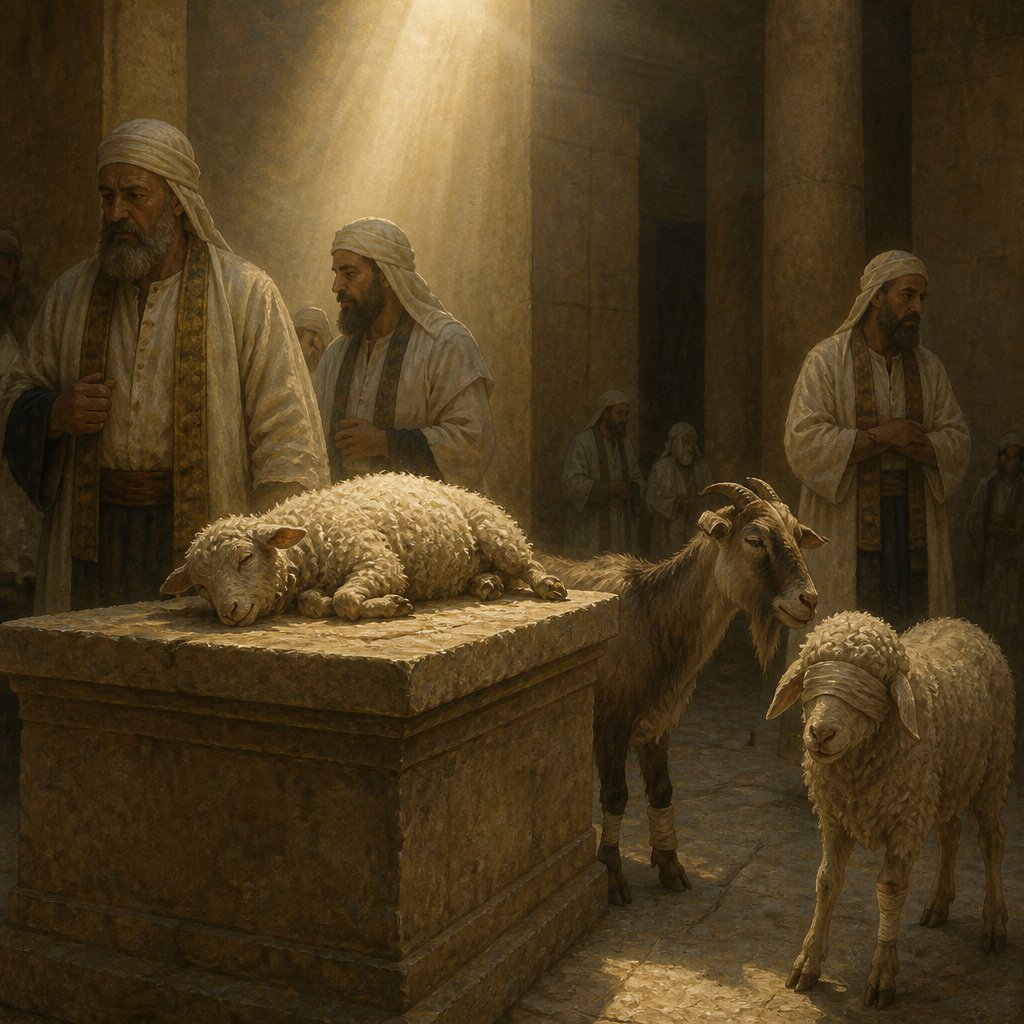
Malachi 1:6-8 from the King James Version of the Bible states:
6 A son honoureth his father, and a servant his master: if then I be a father, where is mine honour? and if I be a master, where is my fear? saith the Lord of hosts unto you, O priests, that despise my name. And ye say, Wherein have we despised thy name?
7 Ye offer polluted bread upon mine altar; and ye say, Wherein have we polluted thee? In that ye say, The table of the Lord is contemptible.
8 And if ye offer the blind for sacrifice, is it not evil? and if ye offer the lame and sick, is it not evil? offer it now unto thy governor; will he be pleased with thee, or accept thy person? saith the Lord of hosts.
This passage is a rebuke from the Lord to the priests of Israel for their lack of reverence and honor toward Him. The priests, who were expected to lead the people in worship and sacrifice, were instead offering blemished and tainted offerings, showing their lack of respect and fear for the Lord. The Lord's response to this disrespect is a call for them to repent and to offer Him the honor and reverence that He deserves.
The primary theme of this passage is the importance of honoring and revering the Lord. The passage draws a parallel between the relationships of a son to his father and a servant to his master, and the relationship of the priests to God. Just as a son is expected to honor his father and a servant is expected to respect and fear his master, so too are the priests expected to honor and revere the Lord. The passage emphasizes the Lord's rightful place as the father and master of His people, and the priests' failure to honor and fear Him as they ought to.
Another theme in this passage is the importance of offering God our best. The priests were condemned for offering polluted and blemished sacrifices on the altar. The Lord compares their offerings to those that they would not dare to offer to their governor, highlighting the inadequacy of the sacrifices they were presenting to Him. This serves as a reminder that God is deserving of our best, and that we should not offer Him anything less than our utmost reverence, devotion, and honor.
The context of this passage is important in understanding the severity of the Lord's rebuke. The priests were supposed to serve as mediators between the people and God, offering sacrifices and leading the people in worship. However, they had failed in their duties and had disregarded the holiness and reverence that were due to the Lord. The Lord's response reflects His displeasure with the priests' behavior and His call for them to repent and return to honoring and revering Him.
Symbolism plays a significant role in this passage as well. The polluted bread and blemished sacrifices offered by the priests symbolize the people's lack of true devotion and the priests' failure to represent the holiness of God. The comparison to a son honoring his father and a servant honoring his master serves as a symbolic reminder of the proper relationship between God and His people. The imagery of offering the blind, lame, and sick animals also serves as a symbolic representation of the priests' lack of respect and reverence in their duties.
In conclusion, Malachi 1:6-8 serves as a powerful reminder of the importance of honoring and revering the Lord. The Lord's rebuke to the priests serves as a warning to all believers to offer God our best and to approach Him with the respect and fear that He deserves. This passage carries a timeless message about the significance of true worship and devotion to the Lord. It challenges us to examine our own hearts and actions, ensuring that we are truly offering Him the honor and reverence that He is due.
Have questions about Malachi 1:6-8?
Dive deeper into this scripture with Bible Chat — an AI-powered tool for exploring God's Word through conversation. Ask questions, get context, and grow in your understanding of the Bible.
Get Our Apps


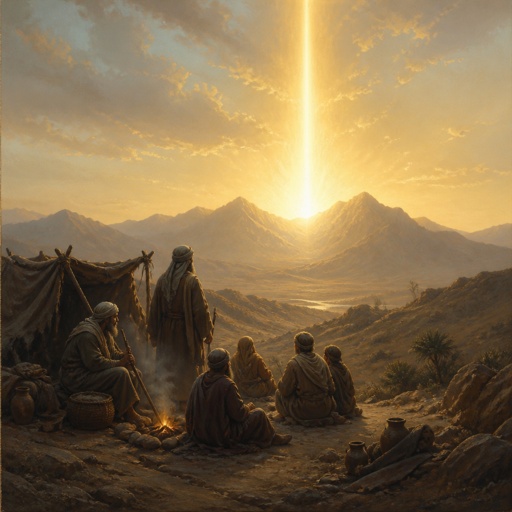
Malachi 1:6-8 Artwork

Malachi 1:6-8 - "A son honors his father, and a slave his master. If I am a father, where is the honor due me? If I am a master, where is the respect due me? says the Lord Almighty. It is you priests who show contempt for my name. But you ask, 'How have we shown contempt for your name?' By offering defiled food on my altar. But you ask, 'How have we defiled you?' By saying that the Lord's table is contemptible. When you offer blind animals for sacrifice, is that not wrong? When you sacrifice lame or diseased animals, is that not wrong? Try offering them to your governor! Would he be pleased with you? Would he accept you? says the Lord Almighty."
"A son honors his father, and a slave his master. If I am a father, where is the honor due me? If I am a master, where is the respect due me? says the Lord Almighty. It is you priests who show contempt for my name. But you ask, 'How have we shown contempt for your name?' By offering defiled food on my altar. But you ask, 'How have we defiled you?' By saying that the Lord's table is contemptible. When you offer blind animals for sacrifice, is that not wrong? When you sacrifice lame or diseased animals, is that not wrong? Try offering them to your governor! Would he be pleased with you? Would he accept you? says the Lord Almighty." - Malachi 1:6-8

Genesis 1:6-8

Genesis 1:6-8

Malachi 1:1 - "The burden of the word of the LORD to Israel by Malachi."

"The burden of the word of the LORD to Israel by Malachi." - Malachi 1:1
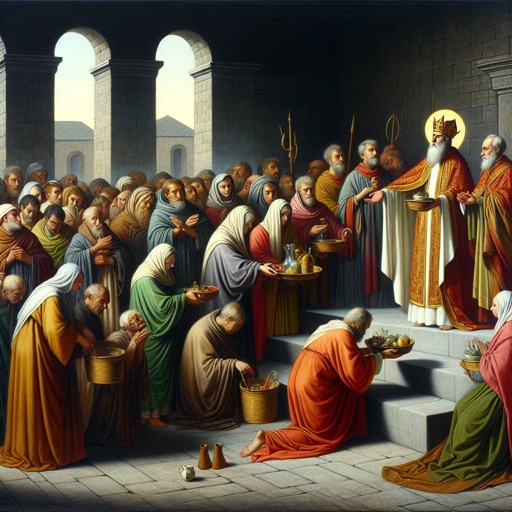
Malachi 1:8 - "And if ye offer the blind for sacrifice, is it not evil? and if ye offer the lame and sick, is it not evil? offer it now unto thy governor; will he be pleased with thee, or accept thy person? saith the LORD of hosts."

Malachi 4:1-2a

Malachi 4:1-2a

Malachi 3:6 - "For I am the LORD, I change not; therefore ye sons of Jacob are not consumed."

The Last Prophet of the Old Testament Malachi

Malachi 4:6 - "And he shall turn the heart of the fathers to the children, and the heart of the children to their fathers, lest I come and smite the earth with a curse."

Malachi 2:1 - "And now, O ye priests, this commandment is for you."

Malachi 3:8 - "¶ Will a man rob God? Yet ye have robbed me. But ye say, Wherein have we robbed thee? In tithes and offerings."

1 Kings 8:6-8

Malachi 2:8 - "But ye are departed out of the way; ye have caused many to stumble at the law; ye have corrupted the covenant of Levi, saith the LORD of hosts."

Malachi 1:6 - "¶ A son honoureth his father, and a servant his master: if then I be a father, where is mine honour? and if I be a master, where is my fear? saith the LORD of hosts unto you, O priests, that despise my name. And ye say, Wherein have we despised thy name?"

Malachi 2:6 - "The law of truth was in his mouth, and iniquity was not found in his lips: he walked with me in peace and equity, and did turn many away from iniquity."

Malachi 1:8 And when you offer the blind as a sacrifice, Is it not evil? And when you offer the lame and sick, Is it not evil? Offer it then to your governor! Would he be pleased with you? Would he accept you favorably?” Says the LORD of hosts.
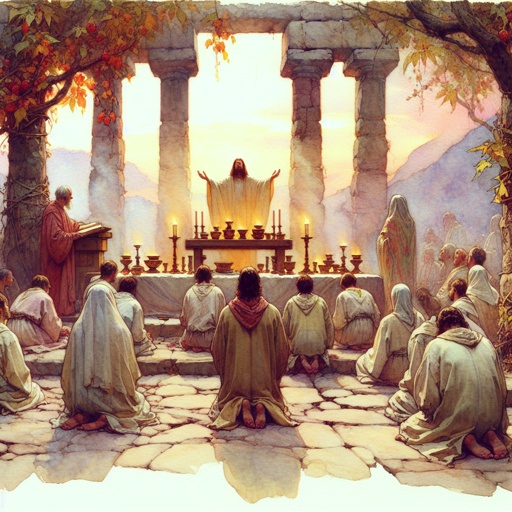
Malachi 1:8 And when you offer the blind as a sacrifice, Is it not evil? And when you offer the lame and sick, Is it not evil? Offer it then to your governor! Would he be pleased with you? Would he accept you favorably?” Says the LORD of hosts.

Malachi 1:5 - "And your eyes shall see, and ye shall say, The LORD will be magnified from the border of Israel."

Malachi 1:3 - "And I hated Esau, and laid his mountains and his heritage waste for the dragons of the wilderness."

Psalm 8:3-6
"For I am the LORD, I change not; therefore ye sons of Jacob are not consumed." - Malachi 3:6

"And now, O ye priests, this commandment is for you." - Malachi 2:1

Malachi 1:12 - "¶ But ye have profaned it, in that ye say, The table of the LORD is polluted; and the fruit thereof, even his meat, is contemptible."

1 Chronicles 6:8 - "And Ahitub begat Zadok, and Zadok begat Ahimaaz,"

1 Corinthians 6:8 - "Nay, ye do wrong, and defraud, and that your brethren."

1 Timothy 6:8 - "And having food and raiment let us be therewith content."

Malachi 1:7 - "Ye offer polluted bread upon mine altar; and ye say, Wherein have we polluted thee? In that ye say, The table of the LORD is contemptible."