What does Malachi 2:8 mean?
“But ye are departed out of the way; ye have caused many to stumble at the law; ye have corrupted the covenant of Levi, saith the LORD of hosts.” — Malachi 2:8
Malachi 2:8 (KJV) reads "But ye are departed out of the way; ye have caused many to stumble at the law; ye have corrupted the covenant of Levi, saith the Lord of hosts."
This verse comes from the Book of Malachi in the Old Testament, which is the final book of the Hebrew Bible. The book is attributed to a prophet named Malachi, but very little is known about him. The date of the book is uncertain, but it is generally believed to have been written after the Babylonian exile in the 6th century BCE, when the Israelites had returned to their homeland.
In this verse, the prophet is condemning the priests of Israel for failing in their duties and dishonoring the covenant of Levi. The priests are accused of leading people astray, causing them to stumble in their understanding of the law, and corrupting their leadership role. The passage highlights the moral and spiritual failures of the religious leaders and emphasizes the importance of upholding the covenant with God.
The verse begins with a stark rebuke, "But ye are departed out of the way," highlighting how the priests have strayed from the path of righteousness. The phrase "departed out of the way" suggests a deliberate turning away from the teachings and commandments of God. The priests were meant to be spiritual guides, leading the people in the ways of God, but instead, they have gone astray themselves.
The next accusation, "ye have caused many to stumble at the law," points to the negative influence of the priests on the people. Instead of helping them understand and follow the law, the priests' actions and teachings have led to confusion and stumbling. This highlights the great responsibility that religious leaders have in guiding their followers with wisdom and integrity.
The verse then states, "ye have corrupted the covenant of Levi," referring to the covenant made with the priestly tribe of Levi. This covenant was intended to establish a special relationship between God and the priests, requiring them to maintain a high standard of moral and religious behavior. By corrupting this covenant, the priests have violated their sacred duty and betrayed the trust placed in them.
The verse concludes with the declaration, "saith the Lord of hosts," underscoring that these words are not simply the prophet's own opinion, but a message directly from God. This adds weight and authority to the rebuke, indicating that the priests' actions have serious consequences in the eyes of the divine.
Overall, this verse serves as a powerful indictment of religious leaders who fail to uphold their responsibilities and instead cause harm to those under their care. The themes of moral failure, betrayal of trust, and the importance of fidelity to God's commands are all present in this passage. It also serves as a warning to all leaders, religious or otherwise, about the responsibility they carry and the consequences of their actions.
In a broader context, this verse can be seen as a call to all believers to remain steadfast in their faith and not be led astray by false teachings or corrupt leadership. It also serves as a reminder of the need for integrity and moral uprightness in all aspects of life, especially for those in positions of authority or influence.
Symbolically, the "way" mentioned in the verse could represent the path of righteousness and devotion to God, while "stumbling at the law" could represent the confusion and doubt that arises when the true teachings of God are corrupted or misinterpreted. The "covenant of Levi" symbolizes the sacred trust and responsibilities that come with leadership and authority, and the "Lord of hosts" symbolizes the ultimate authority and judgment of God.
In conclusion, Malachi 2:8 (KJV) serves as a powerful reminder of the importance of moral and spiritual integrity in leadership and the consequences of failing in this duty. It calls for a steadfast commitment to God's teachings and a rejection of false paths and corrupt influences. It is a timeless message that continues to resonate with believers of all generations.
Get our apps


Artwork for Malachi 2:8

Malachi 2:8 - "But ye are departed out of the way; ye have caused many to stumble at the law; ye have corrupted the covenant of Levi, saith the LORD of hosts."

"But ye are departed out of the way; ye have caused many to stumble at the law; ye have corrupted the covenant of Levi, saith the LORD of hosts." - Malachi 2:8

Malachi 2:1 - "And now, O ye priests, this commandment is for you."

Malachi 3:8 - "¶ Will a man rob God? Yet ye have robbed me. But ye say, Wherein have we robbed thee? In tithes and offerings."

"And now, O ye priests, this commandment is for you." - Malachi 2:1

Malachi 2:7 - "For the priest's lips should keep knowledge, and they should seek the law at his mouth: for he is the messenger of the LORD of hosts."
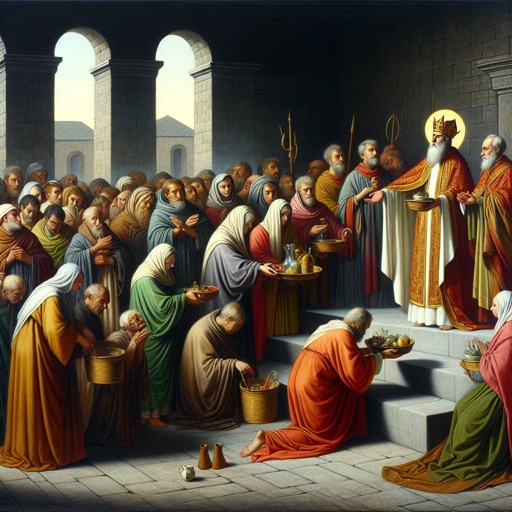
Malachi 1:8 - "And if ye offer the blind for sacrifice, is it not evil? and if ye offer the lame and sick, is it not evil? offer it now unto thy governor; will he be pleased with thee, or accept thy person? saith the LORD of hosts."

Malachi 2:4 - "And ye shall know that I have sent this commandment unto you, that my covenant might be with Levi, saith the LORD of hosts."

Malachi 2:12 - "The LORD will cut off the man that doeth this, the master and the scholar, out of the tabernacles of Jacob, and him that offereth an offering unto the LORD of hosts."

Malachi 2:5 - "My covenant was with him of life and peace; and I gave them to him for the fear wherewith he feared me, and was afraid before my name."

Malachi 2:6 - "The law of truth was in his mouth, and iniquity was not found in his lips: he walked with me in peace and equity, and did turn many away from iniquity."

Malachi 3:2 - "But who may abide the day of his coming? and who shall stand when he appeareth? for he is like a refiner's fire, and like fullers' sope:"

Malachi 4:2 - "¶ But unto you that fear my name shall the Sun of righteousness arise with healing in his wings; and ye shall go forth, and grow up as calves of the stall."

Malachi 2:3 - "Behold, I will corrupt your seed, and spread dung upon your faces, even the dung of your solemn feasts; and one shall take you away with it."

Malachi 2:13 - "And this have ye done again, covering the altar of the LORD with tears, with weeping, and with crying out, insomuch that he regardeth not the offering any more, or receiveth it with good will at your hand."

Malachi 2:9 - "Therefore have I also made you contemptible and base before all the people, according as ye have not kept my ways, but have been partial in the law."

Malachi 2:11 - "¶ Judah hath dealt treacherously, and an abomination is committed in Israel and in Jerusalem; for Judah hath profaned the holiness of the LORD which he loved, and hath married the daughter of a strange god."

Malachi 2: For Judah has profaned The Lord’s holy institution which He loves: He has married the daughter of a foreign god.

Malachi 2:10 - "Have we not all one father? hath not one God created us? why do we deal treacherously every man against his brother, by profaning the covenant of our fathers?"

Malachi 2:16 - "For the LORD, the God of Israel, saith that he hateth putting away: for one covereth violence with his garment, saith the LORD of hosts: therefore take heed to your spirit, that ye deal not treacherously."

Malachi 1:2 - "I have loved you, saith the LORD. Yet ye say, Wherein hast thou loved us? Was not Esau Jacob's brother? saith the LORD: yet I loved Jacob,"

Malachi 2:14 - "¶ Yet ye say, Wherefore? Because the LORD hath been witness between thee and the wife of thy youth, against whom thou hast dealt treacherously: yet is she thy companion, and the wife of thy covenant."

Malachi 2:2 - "If ye will not hear, and if ye will not lay it to heart, to give glory unto my name, saith the LORD of hosts, I will even send a curse upon you, and I will curse your blessings: yea, I have cursed them already, because ye do not lay it to heart."
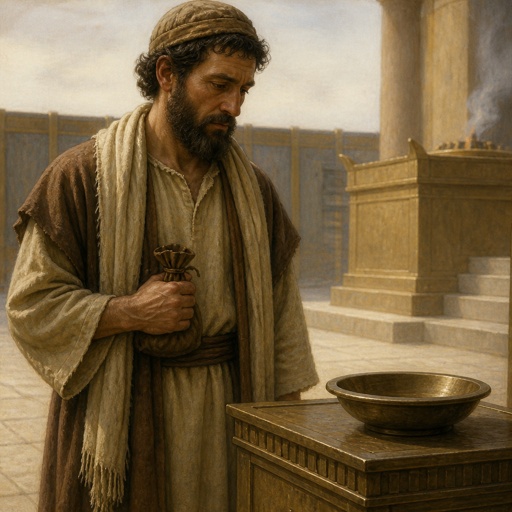
"¶ Will a man rob God? Yet ye have robbed me. But ye say, Wherein have we robbed thee? In tithes and offerings." - Malachi 3:8

Malachi 1:8 And when you offer the blind as a sacrifice, Is it not evil? And when you offer the lame and sick, Is it not evil? Offer it then to your governor! Would he be pleased with you? Would he accept you favorably?” Says the LORD of hosts.
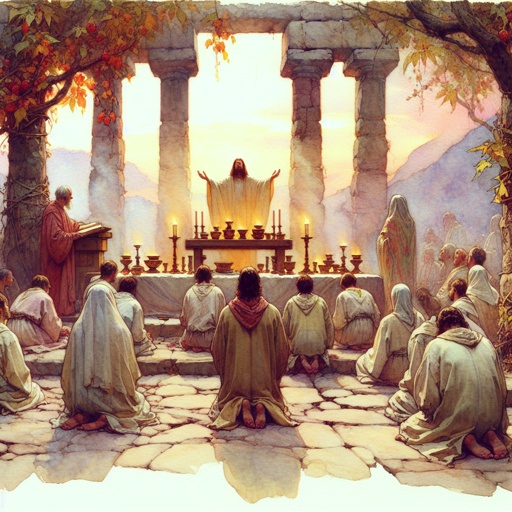
Malachi 1:8 And when you offer the blind as a sacrifice, Is it not evil? And when you offer the lame and sick, Is it not evil? Offer it then to your governor! Would he be pleased with you? Would he accept you favorably?” Says the LORD of hosts.

Malachi 2:15 - "And did not he make one? Yet had he the residue of the spirit. And wherefore one? That he might seek a godly seed. Therefore take heed to your spirit, and let none deal treacherously against the wife of his youth."

Malachi 2: 2 If you will not hear, And if you will not take it to heart, To give glory to My name,” Says the Lord of hosts, “I will send a curse upon you, And I will curse your blessings. Yes, I have cursed them already, Because you do not take it to heart.

Malachi 2:17 - "¶ Ye have wearied the LORD with your words. Yet ye say, Wherein have we wearied him? When ye say, Every one that doeth evil is good in the sight of the LORD, and he delighteth in them; or, Where is the God of judgment?"

Malachi 2: 13 And this is the second thing you do: You cover the altar of the Lord with tears, With weeping and crying; So He does not regard the offering anymore, Nor receive it with goodwill from your hands.