What does Malachi 3:2 mean?
“But who may abide the day of his coming? and who shall stand when he appeareth? for he is like a refiner’s fire, and like fullers’ soap:” — Malachi 3:2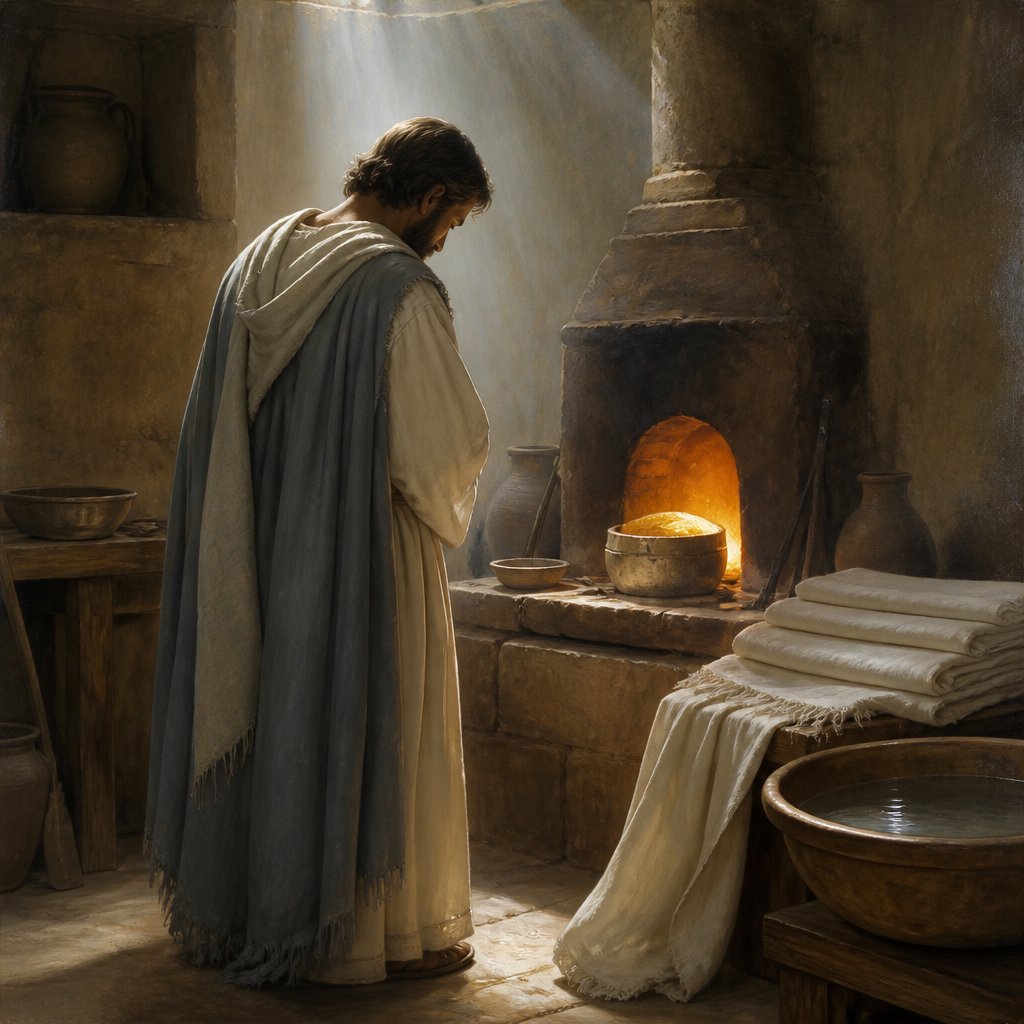
Malachi 3:2 (KJV) – "But who may abide the day of his coming? and who shall stand when he appeareth? for he is like a refiner's fire, and like fullers' soap."
Malachi 3:2 is a verse from the Old Testament book of Malachi, which is the last book in the Hebrew Bible. This verse speaks to the coming of the Lord and the judgment that will take place when he appears. The image of the refiner's fire and the fullers' soap is used to illustrate the purifying and cleansing nature of God's judgment.
The theme of judgment and purification is central to the message of Malachi. The book is written to the Israelites, who had become complacent and had strayed from God's commandments. Malachi warns the people that they will be judged for their sins and that God will purify them like a refiner purifies metal and like a fuller cleanses cloth.
The context of Malachi 3:2 is important for understanding its meaning. The book of Malachi was written during a time when the people of Israel were experiencing spiritual and moral decline. The priests were offering blemished sacrifices, the people were divorcing their wives, and there was widespread social injustice. In response to this, God sends a message through Malachi to warn the people of the coming judgment and to call them to repentance.
The image of the refiner's fire and the fullers' soap is a powerful metaphor for the process of purifying and cleansing. In ancient times, metal was refined by subjecting it to intense heat in order to remove impurities. Similarly, fullers' soap was used to cleanse and whiten cloth. In the same way, God's judgment is likened to a refining fire and a purifying soap that will remove the impurities and sins of the people.
This verse also points to the coming of the Lord and the idea of a final judgment. The question "who may abide the day of his coming? and who shall stand when he appeareth?" speaks to the fear and awe that will accompany the arrival of the Lord. This is a common theme in the Bible, particularly in the Old Testament, where the prophets frequently speak about the coming day of judgment.
The language of Malachi 3:2 is vivid and dramatic, emphasizing the severity of God's judgment. The metaphor of fire and soap communicates a sense of urgency and seriousness, as well as the transformative power of God's judgment. It conveys the idea that God's judgment is not just about punishment, but also about purification and restoration.
In the New Testament, the theme of purification and judgment is further developed in the teachings of Jesus and the apostles. For example, in the book of Revelation, there are references to the judgment as a final purification, where the righteous will be separated from the wicked. This echoes the imagery of Malachi 3:2 and reinforces the idea that God's judgment is ultimately redemptive in nature.
In conclusion, Malachi 3:2 is a powerful and evocative verse that speaks to the themes of judgment, purification, and the coming of the Lord. The metaphor of the refiner's fire and the fullers' soap conveys the severity and transformative nature of God's judgment. It serves as a warning to the people of Israel to repent and turn back to God, while also offering the hope of purification and restoration. This verse continues to resonate with religious believers today, reminding them of the need for moral and spiritual purification in preparation for the coming of the Lord.
Get our apps


Artwork for Malachi 3:2

Malachi 3:2 - "But who may abide the day of his coming? and who shall stand when he appeareth? for he is like a refiner's fire, and like fullers' sope:"
"But who may abide the day of his coming? and who shall stand when he appeareth? for he is like a refiner's fire, and like fullers' sope:" - Malachi 3:2

Malachi 2:3 - "Behold, I will corrupt your seed, and spread dung upon your faces, even the dung of your solemn feasts; and one shall take you away with it."

Malachi 3:4 - "Then shall the offering of Judah and Jerusalem be pleasant unto the LORD, as in the days of old, and as in former years."

Malachi 3:6 - "For I am the LORD, I change not; therefore ye sons of Jacob are not consumed."

Malachi 3:9 - "Ye are cursed with a curse: for ye have robbed me, even this whole nation."

Malachi 1:3 - "And I hated Esau, and laid his mountains and his heritage waste for the dragons of the wilderness."

Malachi 2:1 - "And now, O ye priests, this commandment is for you."

Malachi 3:12 - "And all nations shall call you blessed: for ye shall be a delightsome land, saith the LORD of hosts."

Malachi 3:3 - "And he shall sit as a refiner and purifier of silver: and he shall purify the sons of Levi, and purge them as gold and silver, that they may offer unto the LORD an offering in righteousness."

Malachi 3:18 - "Then shall ye return, and discern between the righteous and the wicked, between him that serveth God and him that serveth him not."

Malachi 3:15 - "And now we call the proud happy; yea, they that work wickedness are set up; yea, they that tempt God are even delivered."

Malachi 3:8 - "¶ Will a man rob God? Yet ye have robbed me. But ye say, Wherein have we robbed thee? In tithes and offerings."

Malachi 4:3 - "And ye shall tread down the wicked; for they shall be ashes under the soles of your feet in the day that I shall do this, saith the LORD of hosts."

"And now, O ye priests, this commandment is for you." - Malachi 2:1

Malachi 2:7 - "For the priest's lips should keep knowledge, and they should seek the law at his mouth: for he is the messenger of the LORD of hosts."
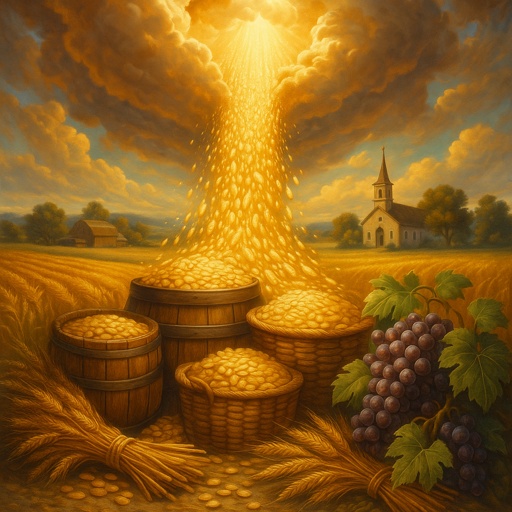
"Bring ye all the tithes into the storehouse, that there may be meat in mine house, and prove me now herewith, saith the LORD of hosts, if I will not open you the windows of heaven, and pour you out a blessing, that there shall not be room enough to receive it." - Malachi 3:10
!["Bring ye all the tithes into the storehouse, that there may be meat in mine house, and prove me now herewith, saith the LORD of hosts, if I will not open you the windows of heaven, and pour you out a blessing, that [there shall] not [be room] enough [to receive it]." - Malachi 3:10](https://media.bible.art/1e27a872-9f2f-4554-aa9f-4e2ef3765c6c-thumbnail.jpg)
"Bring ye all the tithes into the storehouse, that there may be meat in mine house, and prove me now herewith, saith the LORD of hosts, if I will not open you the windows of heaven, and pour you out a blessing, that [there shall] not [be room] enough [to receive it]." - Malachi 3:10

Malachi 3:13 - "¶ Your words have been stout against me, saith the LORD. Yet ye say, What have we spoken so much against thee?"

Malachi 3:14 - "Ye have said, It is vain to serve God: and what profit is it that we have kept his ordinance, and that we have walked mournfully before the LORD of hosts?"

Malachi 2:4 - "And ye shall know that I have sent this commandment unto you, that my covenant might be with Levi, saith the LORD of hosts."

Malachi 3:17 - "And they shall be mine, saith the LORD of hosts, in that day when I make up my jewels; and I will spare them, as a man spareth his own son that serveth him."
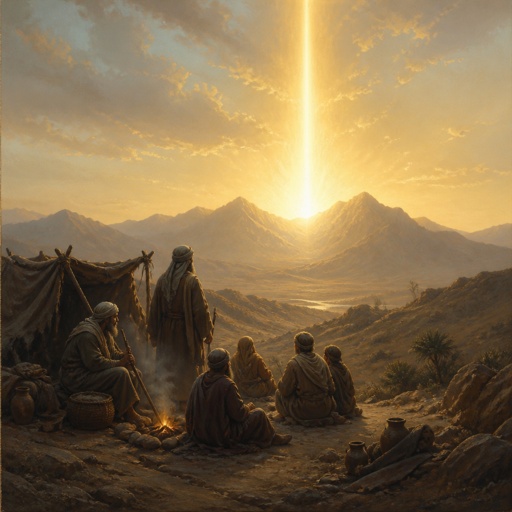
"For I am the LORD, I change not; therefore ye sons of Jacob are not consumed." - Malachi 3:6

Malachi 3:16 - "¶ Then they that feared the LORD spake often one to another: and the LORD hearkened, and heard it, and a book of remembrance was written before him for them that feared the LORD, and that thought upon his name."

Malachi 2:12 - "The LORD will cut off the man that doeth this, the master and the scholar, out of the tabernacles of Jacob, and him that offereth an offering unto the LORD of hosts."
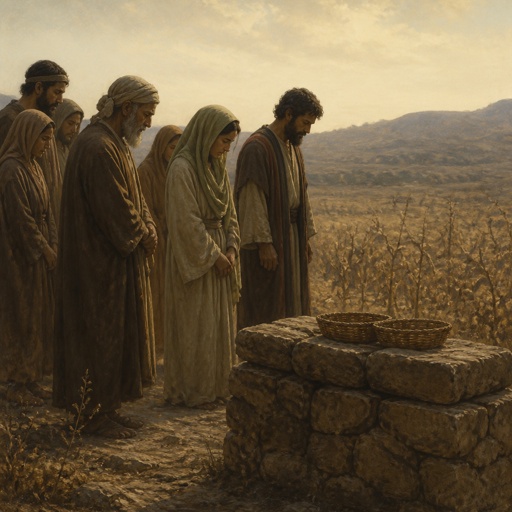
"Ye are cursed with a curse: for ye have robbed me, even this whole nation." - Malachi 3:9

Malachi 3:11 - "And I will rebuke the devourer for your sakes, and he shall not destroy the fruits of your ground; neither shall your vine cast her fruit before the time in the field, saith the LORD of hosts."

Malachi 2:5 - "My covenant was with him of life and peace; and I gave them to him for the fear wherewith he feared me, and was afraid before my name."
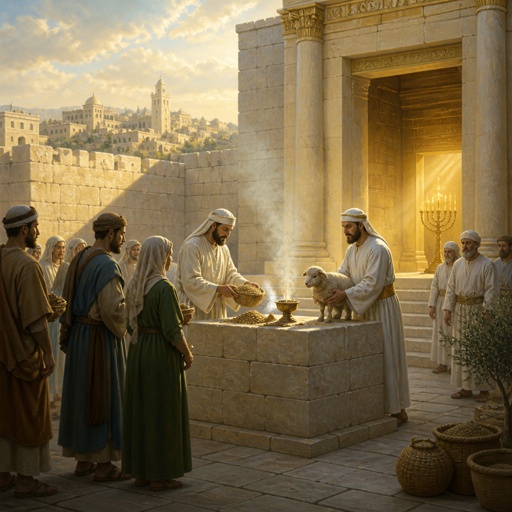
"Then shall the offering of Judah and Jerusalem be pleasant unto the LORD, as in the days of old, and as in former years." - Malachi 3:4
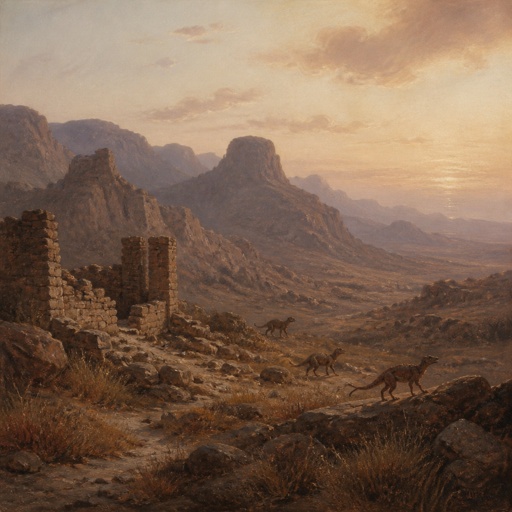
"And I hated Esau, and laid his mountains and his heritage waste for the dragons of the wilderness." - Malachi 1:3